Right, final project. I'm going to put my neck on the line and go through a thought process for what I would do for a new UK sports drink.
Here's a few caveats and stuff:
What follows will be a bit long, if had more time I'd write less, but I do not. It's case of do what I say, not do what I do. Take some time to write less (I'm guessing whatever format you present your submission in, it will have words).
Please don't think this is based on data or much category specific research. It isn't I haven't time.
It IS based on one or two things happening in culture you tend to pick up as planner with your eyes and ears open, not to mention, someone who still spends a fair amount of spare time doing sport and fitness related things. Not to mention a little experience working on soft drinks.
So don't beat me up for statistical accuracy or anything like that, this is about demonstrating a thought process based on some braod, but interesting UK cultural goings on.
So on we go………………………
Now imagine you had a client developeding a new sports drink. They'd been playing around with new formulations they think will make an impact on the market. They've hit on something they think has potential with one or two variations to iron out.
What they do know is that they want t carve some share from 18-35 year olds who play sport or exercise. From the 5 a side football weekend warriors to the people who go to the gym twice a week, and everything in between.
Their main product attribute is that the product is easy to drink, compared with their analysis of competitors like Gatorade, Powerade, Lucozade (lots of Ades!!) that taste harsh and are hard to get down.
It does well in taste tests, with natural tasting flavours – just three - Strawberry, Orange and Cranberry. People say it tastes like dilute fresh juice, in a good way and the appearance supports this, it doesn't have the artificial 'neon' colour that sportsdrinks tend to have, in fact, it looks like flavoured water. They're having kittens on a final formulation – they can make it 100% natural, which will cost loads, or just have natural flavours and put in the nasty preservatives. They're not sure, in addition to worrying about what product attribute to focus on in brand development.
So they come their agency strategists for help. What should we make? What rational product attribute should we hang our hang on? What emotional benefit does that ladder up to?
Fortunately, they've come to strategy people who know that inspecting culture is as important category specifics and product messaging.
So they go through our process. Here's what it might look like:
Map the category's cultural orthodoxy
This is, still wide, the audience who drinks for sport. This isn't lifestyle energy drinks like Red Bull, nor is it 'health drinks like vitamin water. And guess what? Sports drinks are all about 'pure sport' in some manner. In fact, scratch that – it's about 'purist' sport- an arms race for sporting authenticity.
The culltural codes arising from that are all about the fight for authenticity….the noble gladiator – ultimate athletes, ultimate performance. So that the average consumer of sports drinks – ordinary human beings, mostly working out in gyms, feel a little more like a superhuman champion athlete when they drink, before, during and after a session.
So you get the joy of pain and self sacrifice, the purity of sport as a test of self belief and physical strength and skill, people who kill themselves for that minuscule difference between winning and losing. It's all very serious, very macho and very conventional.
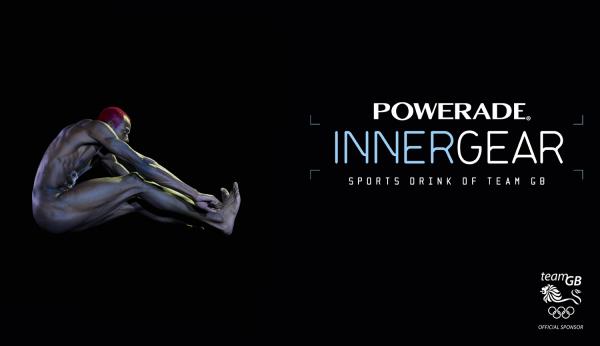
One aspect is the worship of the impossible body beautiful that only comes with hours of dedicated, grueling toil.
Even when it's tapping into hip-hop subculture, the imagery and tone is still 'joy in pain', dead serious, the quintessential pure athlete – either in their performance, or like this, the training.
There's the 'Just Do It' me-toos, like Gatorade. Ultimately though, this about 'pure product for pure sport'
And behind the big players a whole host of sciency brands for more elite athletes.
You could say the cultural convention is all about championing self sacrifice, the joy in toil. It's the bootcamp, it's no pain, no gain. It's survival of the fittest. It's all very masculine.
Map the social disruption
I want to develop a new ideology for our sports drink, expressing new cultural codes. Our target is th 25-45 year old educated professionals who go to members only gyms and drink an athletic based drink during or after their workout.
The bullseye within this are the liberal minded ones who tend to have an interest in outdoor sports. For them, the old middle class utopia of a well paying job, in a good firm, to pay for comfortable life in the suburbs is anathema. They ache for more independence, with pipe dreams of downsizing, going freelance, getting closer to nature or something more creative…..sticking it to the man and being in control of their own lives
But here's the conflict, they're too used to the money and security. So they try to look for outlets in their leisure time, cooking organic foods from scratch, wandering around farmers markets, active holidays by the coast, camping, with aspirations to learn to surf, to do proper mountain biking. They want to feel they're doing the non-obvious stuff, the kind a corporate stooge would never do, things beyond the palate of X Factor watching celeb magazine reading, football supporting commoners would never do. So they're into Opera, independent travel, world cinema.
They'll love watching stuff like this on telly
but in reality, they buy organic food and don't grow anything themselves.
If they lived in Manchester, they've make sure they lived in Chorlton.
The long, long hours they work, plus pressure to DO and experience so much, leaves a massive gap between their aspiration and the reality. Mostly, they're just as predictable as the those they want to differentiate themselves from, but with more more 'right on' clothes (organic), food and reading material. They probably bought a bike to cycle to work, but only use it once a fortnight.
So, boiling all that down, they're Bourgeois Bohemians suffering from a cultural anxiety – they ache live the life of some sort of 'artistic rebel', everything they do needs to be about spirituality or enlightenment, but working for 'the man' doesn't give them the time. So they're desperate for easy 'outlets'.
Now, they're still prey to the 21st century pressure to stay in shape. Being overweight or unfit is something for the masses. Ideally it would all be surfing, mountain biking and rock climbing, but time pressures mean they just about make it the gym three or four times a week, probably for a 30 minute slot.
But it doesn't make them feel good. On a cultural level, they can't stand the macho, pain and sacrifice culture that pervades most gyms. The huge Neanderthal lunkheads on the heavy weights, the physical elitism, the painfully thin zombies on the treadmill…all reinforced by the 'sporting purist' cultural conventions of the sports drink category. The mindless, disciplined, spartan drone, obsessed with nobilty in pain or the vanity of outward seld image, rather than something deeper inside, is exactly what they're rebelling against (or trying to).
On an experience level, they dislike the 'simulation' of it all. Everything is a pale imitation of actually going out and doing real running, cycling or rowing. Only swimming is authentic, but then again, in their fantasies they'd be doing open water swimming.
What they do like is the way it clears the head, the FLOW state they can get in. In their heads, they can go to another place, at once removed and more present in the moment.
In short, there's an ideological opportunity to carve some cultural elitism with our audience based around 'realness' , 'escape' and 'flow'– something more spiritual, enlightened and 'right on', directly challenging the purist, aggressive 'no pain no gain' mentality that's for the mindless drones they so want to separate themselves from.
OK, that will do for now. This will have to be done in two chunks. I know it's too long, but like I said, I need more time to write less.
However, if you think you can see where this is going…the sports drinks for outdoor sports, think again. It's one of the most pilfered subcultures in modern brand communications. The next stage is the search for source material. We'll discuss why outdoor sports is only half the story and hopefully, something bigger and more potent, something relevant for a 'not harsh, nasty or agressive' sports drink with a natural, 'real taste'.
Hope this is helping.
 NORTHERN PLANNER
Leave a comment