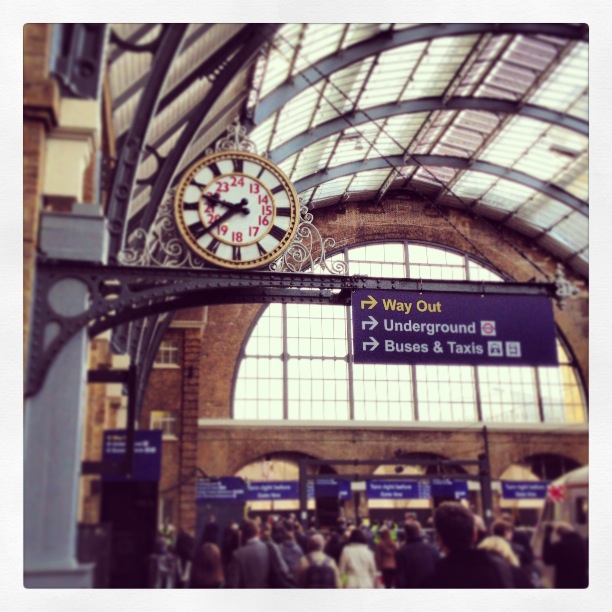
I get the train from Leeds to Kings Cross a lot.
Sometimes, the conductors don’t even bother to check my
ticket, that’s how often I’m on an East Coast train.
So maybe I notice stuff a little more than the average rail
passenger, but then again maybe not. In any case, one thing I don’t seem to be
able to avoid is posters all over stations, and arterial routes into them,
telling me how great the complimentary food is in First Class.
As is the case for most of us, First Class is a
very rare experience indeed.
Now I know they’re trying to get folks to upgrade. I know good
prices are obtainable too, as long as you book early enough. Surely though they
must understand that the necessity of business travel tends to fall into the
‘book it the day before we travel’ camp.
So they’re not going to get many upgrades on that count.
Plus, they should also know the ‘class’ thing usually comes down to company policy
and, as such, won’t get shifted by mass advertising. Most business commuters
don’t make the decision.
Of course, I may have this wrong and they can see revenue
potential from leisure travel, but surely that should be targeted around
weekends?
In any case, even if the upgrade strategy is bang on, to
quote that James song, “If I hadn’t seen such riches I could live with being
poor”.
Most people are happy with what they’ve got until they
realise others have it better.
Being reminded how great First Class is reframes the
experience of standard class immediately – from what ‘one is used to so fair
enough’, to something inferior.
You notice the uncomfortable
seats a little more, suddenly resent the
crowding at peak time, while delays become big problems rather than
understandable hiccups.
(I personally am not fussed, the Year of Not Buying anything is teaching me to appreciate the simple joy of getting the train – the views, the chance to read the paper cover to cover and watch the oddness of people up front. I also enjoy berating people in the quiet coach for making a racket, but that's just the Larry David in me)
In short, they’re alienating most of their frequent
customers. Instead of feeling good about the brand, or at least not caring in
a benign manner, they’re made to feel East Coast doesn’t care and is prioritising
other people.
It’s the brand for ‘them’, not for ‘us’.
In a cultural climate where ‘the have nots’ are more than a
little resentful of the ‘haves’ being seen to pander to the imagined bankers,
CEO’s and others that have fucked things up for everyone else, doesn’t seem so smart.
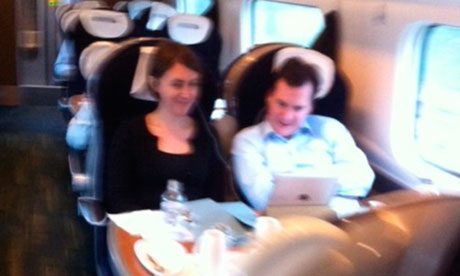
If that wasn’t the case, this story about Gideon Ozzy
Osborne squatting in First Class wouldn’t
have got so much traction as a story.
If this wasn’t bad enough, East Coast are actually making promises
they can’t keep.
The majority of the journeys I go on come with the tannoy
announcement that, “ First Class breakfast/lunch/dinner is cancelled due to
circumstances beyond our control”.
Bad enough they’re reminding everyone in standard class
they’re merely cattle – apologising to
the imagined ‘better’s in comfy seats, acres of leg room and decent tea and
coffee – even worse, they’re telling EVERYONE over and over again how feckless they are.
It makes the commuter
think, if they can’t get dinner right for the people they’re bothered about,
how much are delays and cancellations due to crapness rather than unavoidable
circumstance?
Perception is reality. We all look for short cuts to help us make our minds up about things, constantly telling folks you can't get little things like food right begins to get neurons to burn an automatic 'East Coast are not reliable' path in the brain.
So if your client is asking you to make promises
about service or performance, however insignificant they may seem, make sure they can keep them and consider how it might affect the wider commercial context.
Because making promises that make the majority of their customers feel inferior isn't great.
Breaking them once is very bad.
Failing over and over again makes them look feckless and suggests
they’re crap at everything else.
Telling ALL YOUR ACTIVE CUSTOMERS about this, even
when it’s nothing to do with them, is plain dumb.
Because it’s the little things in the actual brand
experience that can make the biggest difference usually, not the glossy ads.
Because takes time to build trust and create a relationship, any sort of emotional context for that matter. But it only takes an instant to destroy it.
Because people remember how they felt about an experience far longer than the facts about that experience.
Because how you feel about anything is based on how it is framed. We all choose by comparison and reframing standard class from 'more convenient and comfortable than driving' to 'much worse than what people resent get" obliterates positive sentiment quicker than the Death Star annihilated Alderaan.
Ads and stuff deal in
illusion of course (especially our collective self- delusion) but they need to
stay firmly aware of reality too.
Because it always bites.


 NORTHERN PLANNER
Leave a comment