If you can get hold of The Big Lie, by the Future Foundation, it's well worth a look.
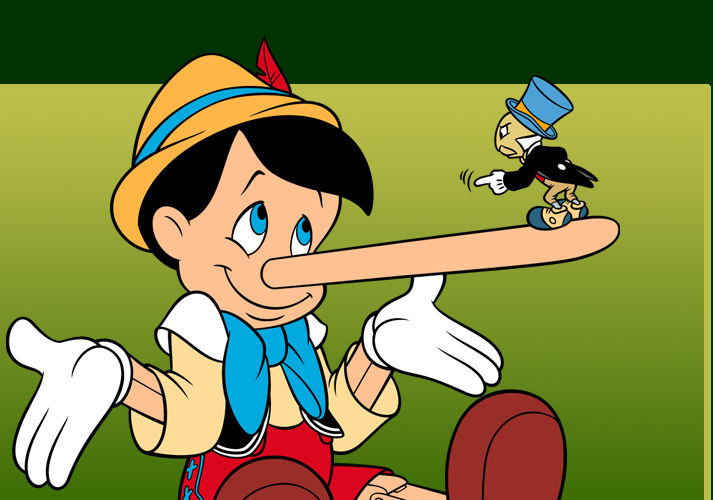
It's a nice little window into what people in the UK care about right now, but more than that, it's a study into how research makes people tell lies.
It's evidence based, full of real data from real base sizes.
It shows how the same group of people can claim to 'think/feel/do' one thing.
Then claim to 'think/feel/do' something totally opposite.
Even in the same questionnaire.
Everyone is usually at least two people – how they see themselves and how others see them.
This get's resolved a little as people get older.
But this has only been complicated by two develops in recent times.
First, the porous nature of modern culture. There is so much choice of what to experience and 'how to be' that people genuinely are different versions of themselves in different situations and different groups.
Second, the way today's thirty and forty somethings are much 'younger' than generation before and actively try to avoid growing up.
Then there's social media, where we're seeing folks projecting a more 'perfect' social self, an idea of who they would like to be,rather than who they are.
For example, it's quite cool (people say) in the UK to have a work ethic and look disciplined, so loads of folks are exaggerating how much they go to the gym and what they do there.
Just the data tends to show people claim to dismiss 'celebrity' yet the Daily Mail website is one of the most popular sites in the world.
So it's totally authentic for me to moan about work commitments getting in the way of time with the kids.
Then moan about time with the kids getting in the way of cycling in other company.
Both statements are true and authentic.
Which makes research and 'insight' bloody hard.
It means that if you come across a neat little insight, it's probably only half the story.
It means we should look for tensions and contradictions more. It means we're on to something.
It means we should avoid asking people direct questions, or at least, look for connections, patterns and tensions in their answers.
The tensions are the insights!
It means that 80% of market research findings are, at best, questionable.
More likely, they are a pack of true lies.


 NORTHERN PLANNER
Leave a comment