• I was at a CIM breakfast seminar on ‘The value of blogging’ this morning. I learned two things:

    1. Marketing folk are terrified of new stuff and blogs scare them witless. Blogs represent ‘loss of control’ and at best, a new way to get valuable feedback. The idea of being authentic, interesting and talking to people on their terms hasn’t entered the heads of even the people who profess to be new media gurus.

    2. Never ever forget that just because something makes perfect sense to you, it does to others. This morning was a useful reminder that you must always be ready to persuade, no matter how obvious something might seem to you.

    By the way, I met a lovely grey marketing specialist who thinks that sexually transmitted diseases will be affecting the older generation more than youths, thanks to the divorce rate and less comfort with safe sex. Makes sense when you think about it.

  • The British Social Attitudes Survey was out this week. While facts are nothing without ideas to bring them to life, or understanding ‘why’, stuff like this is still useful:

    • Work life balance is getting harder as 84% of women and 77% of men would like to spend more time with family and friends.
    • Only 8% of emplyees find their work never stressful
    • The internet isn’t reducing time socialising – in fact internet users are more likely to be socially connected
    • Britishness is in decline – but Englishness is up, and more than ‘Scottishness’ or ‘Welshness’.
    • The majority is happy to surrender civil liberties in return for security. This trend began in the mid – 90’s BEFORE 911 and the ‘war on terror’. BUT people are less inclined to support civil liberties if the questions are about terrorism.
  • Some thoughts on how to change things from Bulb Magazine. I like especially like ‘hate the sin, love the sinner’. It’s easy to  berate people for not getting your point of view, it’s hard to  figure out how to be more persuasive (I exclude sausages from this)

    Cover

    Recipe for a change  Maker:

    Ingredients

    A simple idea rooted in reality: Something simple reflecting real needs

    Hope: People will put a lot of effort in if they think there’s a chance

    Understanding: The more people understand, the more it frightens those that wield the power. Understanding the roots of the problem is the key to positive action

    Trust and consistency: It’s essential to inspire trust, which in turns needs consistency- of principles at least

    Determination: It can be lonely, since you’re up against the established views shared by most. If you threaten those in power, you’ll be ignored by most. Be ready to take flak.

    Directions

    Ask the right questions

    Hate the sin, love the sinner: Lasting change means convincing the people who initially loathe what you stand for.

    Be both patient and impatient: Be resilient and persevere, but be ready to pounce on opportunities when they come

    Work quietly: rather than seeking attention.You’ll be respected more for it in the end.

    Also, here’s some varying views on the concept of home. Interesting to see how personal the interpretation is.

  • Thanks to Scamp, I’ve found David Bonney’s blog. Thanks to David, my group got first prize at the APG Training Network back in the day. Now, with a rigour that could settle the argument about blogging being bad for planning , he’s posting all sorts of meaty stuff about the power of negative emotion in advertising. Good to find out what he’s been up to since last we spoke too.

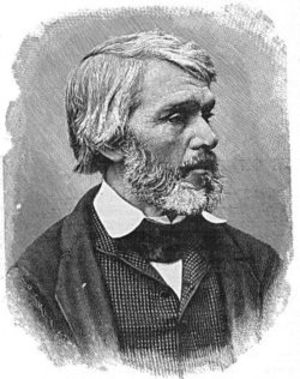
  • Carlyle "Economics is not a gay science", wrote Thomas Carlyle in 1849, meaning that it’s concerned with dreary statistics and the measurement of demand and supply. But maybe not any more.

    The world economy has grown at a rate of 3.2% since 2000. Capitalism is doing well. Or is it? They’re beginning to mix psychology with economics and they’re finding that affluent countries are not getting any happier as they get richer. No one would be foolish enough to discount the need for world equality, or a solution to global worming, but economists are beginning to view their discipline as ‘how to make more people happy’. Not so ‘gay’ after all.

    One problem they’re looking at is the way we turn luxury into necessity. We take things for granted that other generations could only dream of – but as soon as we reach a better standard of living we become numbed to it’s pleasures. In the 1930’s they thought that richer societies would free people up to enjoy more leisure -but instead we’re working harder to enjoy the things we think will make us happy, only to find we end up taking them for granted. So we work our socks off to get even richer, which forces the rest to keep up as well.

    So if relentless consumerism is destroying the planet and it doesn’t make us happy anyway, what could fill the gap? Are humans simply hardwired to never be satisfied with what they have? One fellow thinks not, he thinks it’s about experiences – but not the current trend for quality time with loved ones. Just like physical things, we’ll never beleive we have enough. Rather, maybe we can make sure what we actayully DO fulfills this restless drive, instead of being an end to having more stuff.

    Flow

    Mihaly Csikszentmihalyi handed out pagers to thousands of people and asked them to log their mood when prompted. Of course, most were happiest pottering in the garden or eating, but a lucky few loved losing themselves in their work. This happy state he calls ‘flow’ – the kind of work that stretches you, gives you clear goals and sense of control. Amazingly, if these things lack, we try and ‘sculpt’ our jobs to compensate -hairdressers serve as emotional confidants to clients and call centre staff cannot resist helping people on the other end of the phone.
    Plato

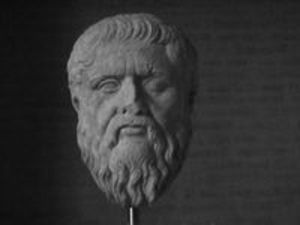
    In Republic, Plato put forward the idea that the only just society is one where everyone does what they’re best at. Maybe this stuff shows how right he was – as long as it’s work we can lose ourselves in.

  • Banner_title

    On the Radio 4 this morning I heard the results from the what is claimed to be the biggest memory survey ever. They got ten thousand people to reveal their earliest memories, self defining memories and public event memories (I remember where I was when Kennedy died for example). There was lots in this stuff but it was ‘self defining’ memories I found most interesting.

    These are recollections that are incredibly vivid and have had a profound effect on your life – the course it’s taken and how you’ve lived it. One person mentioned the shame at getting told off in junior school making them really bad at taking criticism, while, another embraced their half Swedish heritage for the first time thanks to the peace they found on a mountain near Stockholm. Unsurprisingly, it’s the senses that bring these memories crashing back into the consciousness, and they will dramatically affect what we’re doing at the time.

    Songs bring back things for me, which is why I think this Nokia campaign is so powerful.

  • Duck

    Can’t resist getting involved in duck v turkey. I agree with Paul (who’s lovely picture you see above) vote duck, it tastes better and duck fat is THE thing to fry stuff in. Turkey is bone dry in the wrong hands.

  • Speaking of motorways, the journey home through wind ravaged carnage on the Yorkshire motorways reminded me how risky driving really is. Adayinthelife

    Todays cars are designed to make us feel impregnable. We can drive at high speeds and feel in control, while we’re cocooned in our own little kingdom. People drove far more politely on Thursday night, maybe because they felt a bit more vulnerable than usual. Driving in the strong wind hasn’t been a barrel of laughs, but I’ve enjoyed feeling like I’m really driving, as opposed to the car driving me.

  • Soapbox

    Sorry, I’m sure you’re as sick of Big Brother as I, but I can’t help it.

    From ‘good hearted working class girl’ to ‘foul mouthed dimwit’ in the space of few days. Has anything revealed the cruelty of the media better than this sorry spectacle? No one would excuse the bullying meted out to Shilpa, but the meticulous assasination by the media seems just as bad.

    Britain feels pleased with itself for punishing this pathetic creation of celebrity obsessed times for her terrible crimes –  I wonder how many have noticed the double standards in the unwillingness to forgive someone who is so obviously a product of under education and upbringing? That doesn’t strike me as tolerant either.

    This week David Cameron wrote in The Telegraph that he would opt out of the EU Social Chapter. That means lots of things, but in particular, part time workers would lose most of the basic rights afforded to full timers. This is cuddly, ‘Hug -a Hoodie’ Cameron, ride a bike to work Cameron. But as long we all know how evil Jade Goody is I suppose it doesn’t matter eh?


  • M1

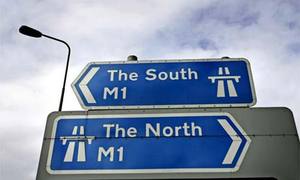
    This is a brilliant article from The Guardian on the development of motorways in the last 50 years. You’d be pushed to find a more searing example of the changes in our cultural tastes than roadside services. Out with Little Chef and in with M&S Simply Food.