It’s amazing when you really get to see the weather changing. Last night I got one of those rare opportunities to view the final end of the clouds. Breathtaking.
Oddly enough, most people only get views like this when driving.
It’s amazing when you really get to see the weather changing. Last night I got one of those rare opportunities to view the final end of the clouds. Breathtaking.
Oddly enough, most people only get views like this when driving.
Genius article on the effects of noise pollution in our lives. How many places can you go that are genuinely quiet?
Dave Armano’s putting his considerable influence behind the Sausage/Lamb saga with this natty sausage badge. Wear it with pride (but don’t forget the lowly bacon).
I’m still mourning for bacon, but you’ve got to hand it to Scoop Brown (as I think he’s now called), that was a well run campaign. Despite the bullying and the ungracious way they embraced victory, Andy, Rob and Famous Rob deserve their day in the sun too.

Next up, sausage takes on Lamb and this time is has to be the humble wurst. Marcus’s sound argument for boycotting eating sheep toddlers should be enough. But sausages are not only more versatile, they make better sandwiches (espescially when mixed with bacon) and pigs in blankets are simply genius.

By the way, if you’re vegatarian, vote any way, vegetarian sausages are great, lamb is, well meat. A vote for sausage could well save an innocent creature.

It takes proper weather to stop Northeners, but we had to give in last time and cancel the Northern Planning Summit.
Plucky optimists that we are, we’re trying again this Thursday at Arts Cafe Leeds. People will start wandering in at about 7.30, If you’re around we’d love to see you. Sausages are off the menu.
I was at a CIM breakfast seminar on ‘The value of blogging’ this morning. I learned two things:
1. Marketing folk are terrified of new stuff and blogs scare them witless. Blogs represent ‘loss of control’ and at best, a new way to get valuable feedback. The idea of being authentic, interesting and talking to people on their terms hasn’t entered the heads of even the people who profess to be new media gurus.
2. Never ever forget that just because something makes perfect sense to you, it does to others. This morning was a useful reminder that you must always be ready to persuade, no matter how obvious something might seem to you.
By the way, I met a lovely grey marketing specialist who thinks that sexually transmitted diseases will be affecting the older generation more than youths, thanks to the divorce rate and less comfort with safe sex. Makes sense when you think about it.
The British Social Attitudes Survey was out this week. While facts are nothing without ideas to bring them to life, or understanding ‘why’, stuff like this is still useful:
Some thoughts on how to change things from Bulb Magazine. I like especially like ‘hate the sin, love the sinner’. It’s easy to berate people for not getting your point of view, it’s hard to figure out how to be more persuasive (I exclude sausages from this)

Recipe for a change Maker:
Ingredients
A simple idea rooted in reality: Something simple reflecting real needs
Hope: People will put a lot of effort in if they think there’s a chance
Understanding: The more people understand, the more it frightens those that wield the power. Understanding the roots of the problem is the key to positive action
Trust and consistency: It’s essential to inspire trust, which in turns needs consistency- of principles at least
Determination: It can be lonely, since you’re up against the established views shared by most. If you threaten those in power, you’ll be ignored by most. Be ready to take flak.
Directions
Ask the right questions
Hate the sin, love the sinner: Lasting change means convincing the people who initially loathe what you stand for.
Be both patient and impatient: Be resilient and persevere, but be ready to pounce on opportunities when they come
Work quietly: rather than seeking attention.You’ll be respected more for it in the end.
Also, here’s some varying views on the concept of home. Interesting to see how personal the interpretation is.
Thanks to Scamp, I’ve found David Bonney’s blog. Thanks to David, my group got first prize at the APG Training Network back in the day. Now, with a rigour that could settle the argument about blogging being bad for planning , he’s posting all sorts of meaty stuff about the power of negative emotion in advertising. Good to find out what he’s been up to since last we spoke too.
‘ "Economics is not a gay science", wrote Thomas Carlyle in 1849, meaning that it’s concerned with dreary statistics and the measurement of demand and supply. But maybe not any more.
The world economy has grown at a rate of 3.2% since 2000. Capitalism is doing well. Or is it? They’re beginning to mix psychology with economics and they’re finding that affluent countries are not getting any happier as they get richer. No one would be foolish enough to discount the need for world equality, or a solution to global worming, but economists are beginning to view their discipline as ‘how to make more people happy’. Not so ‘gay’ after all.
One problem they’re looking at is the way we turn luxury into necessity. We take things for granted that other generations could only dream of – but as soon as we reach a better standard of living we become numbed to it’s pleasures. In the 1930’s they thought that richer societies would free people up to enjoy more leisure -but instead we’re working harder to enjoy the things we think will make us happy, only to find we end up taking them for granted. So we work our socks off to get even richer, which forces the rest to keep up as well.
So if relentless consumerism is destroying the planet and it doesn’t make us happy anyway, what could fill the gap? Are humans simply hardwired to never be satisfied with what they have? One fellow thinks not, he thinks it’s about experiences – but not the current trend for quality time with loved ones. Just like physical things, we’ll never beleive we have enough. Rather, maybe we can make sure what we actayully DO fulfills this restless drive, instead of being an end to having more stuff.

Mihaly Csikszentmihalyi handed out pagers to thousands of people and asked them to log their mood when prompted. Of course, most were happiest pottering in the garden or eating, but a lucky few loved losing themselves in their work. This happy state he calls ‘flow’ – the kind of work that stretches you, gives you clear goals and sense of control. Amazingly, if these things lack, we try and ‘sculpt’ our jobs to compensate -hairdressers serve as emotional confidants to clients and call centre staff cannot resist helping people on the other end of the phone.
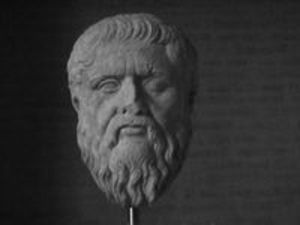
In Republic, Plato put forward the idea that the only just society is one where everyone does what they’re best at. Maybe this stuff shows how right he was – as long as it’s work we can lose ourselves in.
 NORTHERN PLANNER