Some of the basic choices you have to make when doing the – what should be rare but seems to happen whenever a new brand manager comes in- task of defining a brand focus on a choice.
Build the brand on:
Why you exist
What you do
How you are
Where you want to go
All have some level of merit, perhaps with the exception of 'how you are'.
Tone of voice, personality traits are massively important and often overlooked when it come to building communications, but are flimsy to build a brand on.
Because there are not many personality traits to around.
For example, as has been said elsewhere, umpteen agencies like to talk about how they are curious. Not only is this as generic as soft drinks saying they're fizzy, or trainers having cushioning, it doesn't instanty create a picture of why you're better, just how you go about things.
Now consider the teachings of Saint Byron Sharp.
Brands don't need to be different, just distinctive. They need to get noticed.
Just Do It wasn't powerful because people thought 'oh they'll empower me' it was utterly fresh and provocative.
As was 'the future's bright' which, I'll wager, the average mobile phone buyer didn't understand, they just liked how it made them feel.
The most reliable way I know to do this is have a point of view on something that matters.
It has to be relevant to product/brand of course, but for example, Guiness and 'Here's to waiting' wasn't successful because it focused on a feature of the experience, it freed up an utterly distinctive point of view on the world and some of the best advertising ever…in a relevant manner.
I guess that means if you have a starting point, it's a mixture of 'why you exist' and 'where you want to be' but personally, a great point of view seems to convey so much more, especially if it starts by relieving some sort of tension in real life you can credibly get involved in.
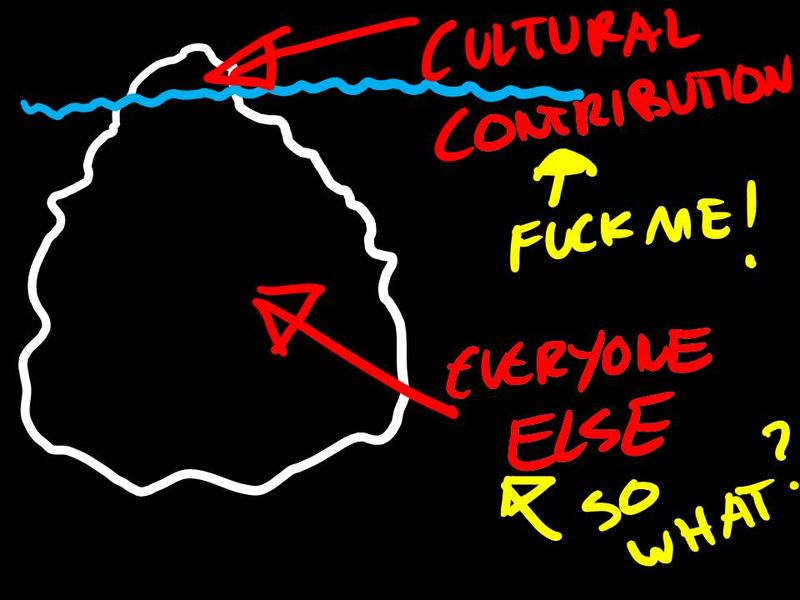
Stefan Volery is sauntering past the set of benches where the British swimmers are sat. He's a picture of the kind of arrogance that comes with a genuine level of accomplishment, that still has failed quite scale the heights. Olympic swimming finalist, but nowhere near the medals.
My 13 year old self would kill to be as good looking and fast as him of course (while the current me would love to have that record), but I don't think I'd be quite so pleased with myself if I did.
One wag in our group agrees with me and fires a barrage from his machine water pistol in him Swiss face, so Volery promptly stalks up to his face, screams some abuse, whips the aqua- sniper's hat from his shaven head, deftly dunking in the pool before replacing it on the shocked comedian's head.
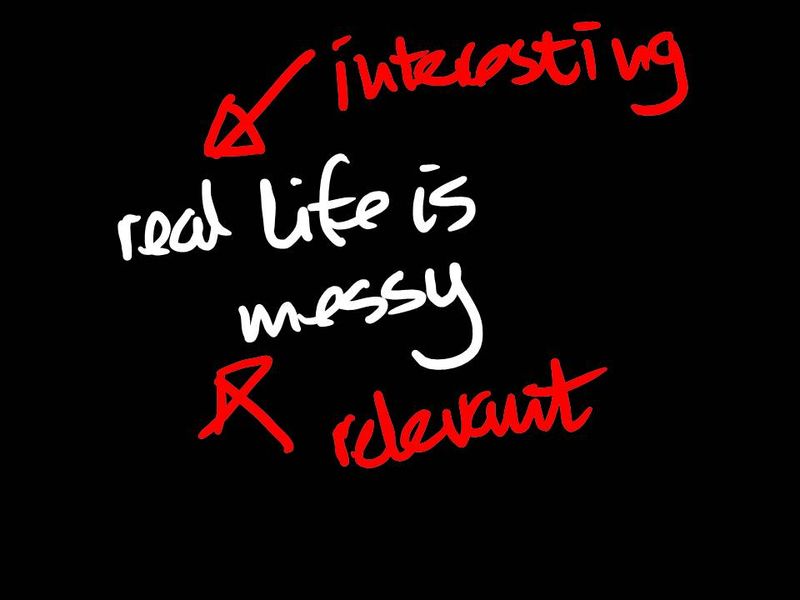
For the rest of our four days in Germany, whenever Volery gets on the starting blocks or the podium (he will win mens 50 metres freestyle) everyone will hear the sound of around thirty British swimmers booing as loud as their teenage voices are able.
We're hear for the Darmstadt international, which, in 1987, is arguably the most important swim meet in Europe, outside of the European championships. It's at an open air, ten lane beauty of a pool. There are international teams from all over.
From one perspective, it's all about the swimming. Everyone is here to compete and do well.
On the other, you have well over five hundred athletes, mostly under twenty, far away from home and parents, afforded the kind of freedoms most have to wait until college to enjoy.
In four days time we will have the mother of all closing parties in the evening sunshine. The Germans won't seem to care about legal drinking ages and I will experience drunkennes for the first time, which will lead to an equally shitfaced Canadian backstoker.
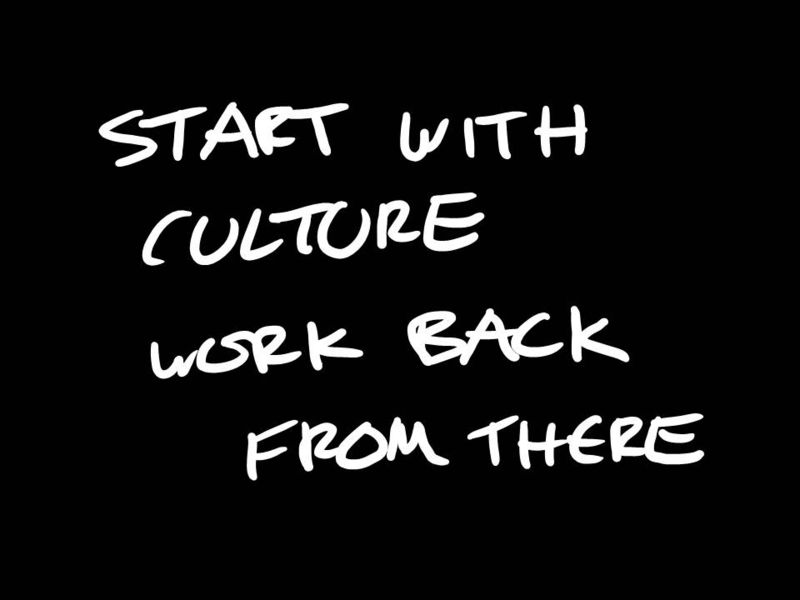
The will be faces on the journey home deathly pale from hangovers and embarrasment. This is yet to come though.
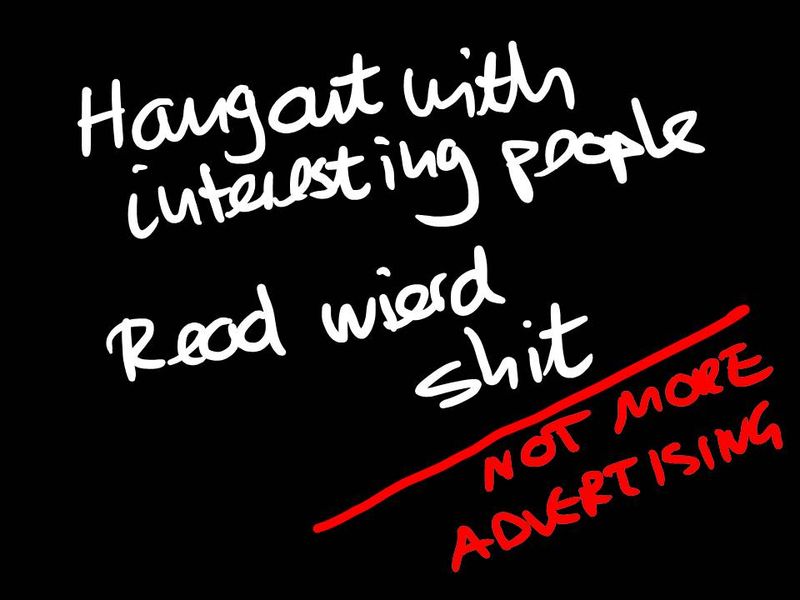
Right now, the Volery episode has broken my concentration. I'm trying to mentally prepare for the 200m backstroke. I'm in with a real chance of winning.
The other opportunity will be 200 medley, but I will be beaten into second by a towering British swimmer called Jamie Randall.
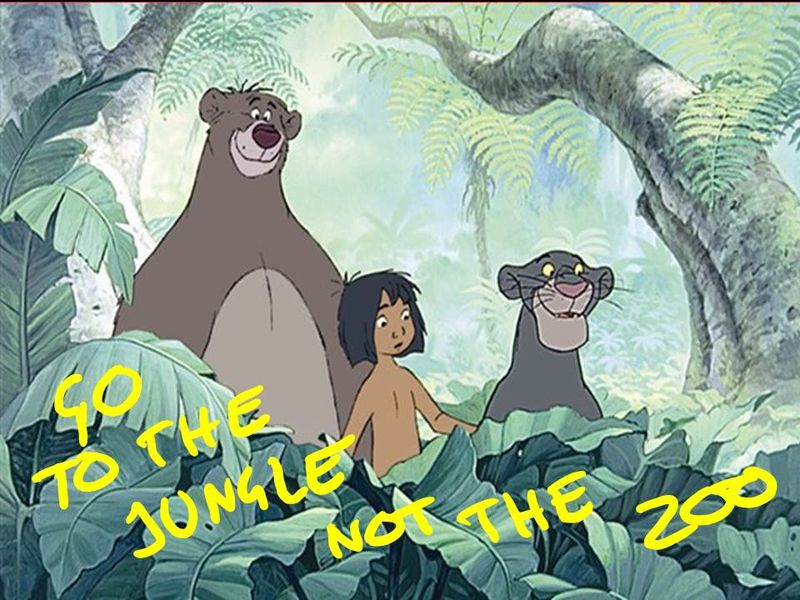
There are no heats and final in the age groups in this meet. The heats are organised around entry times and you just go out and swim. The best time in your age group wins. It's only the men who then have a final.
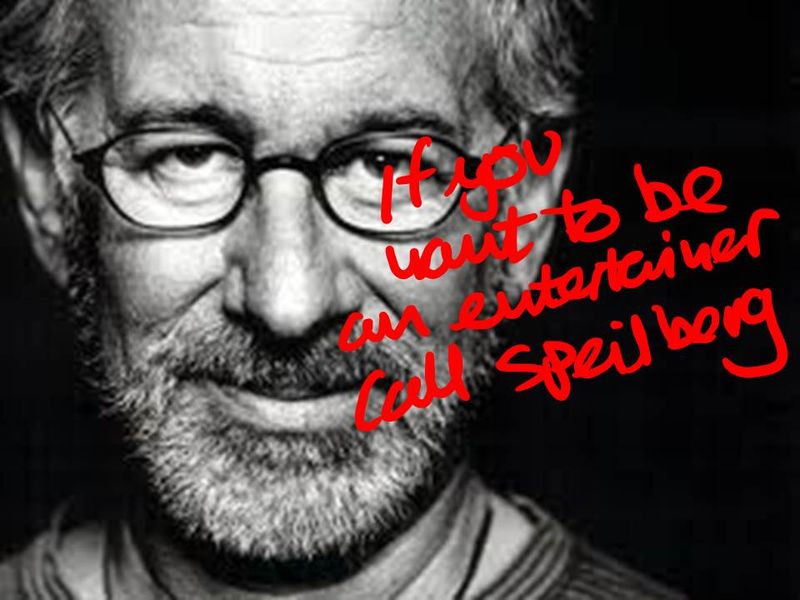
This is a worry to me. I usually do okay in the heats, but then experience some mental gear change and swim much faster in finals. Somehow I only perform when it really matters.
My body is still buzzing from the warm up swim. The pool felt good. It's so wide and deep that turbulence is a minimum. I've meticulously counted the strokes from the flags erected ten meters from each wall. In backstroke, if you turn to look around, you've lost. Timing to hit the wall at the end of the stroke is critical.
The call comes for me to go into the paddock with other swimmers. I go over with in my tracksuit, towel and entry called clutched in my hands.We are arranged into our respective groups of ten for each heat, slowly moving down the line for our race. Each gradual progression sees us getting more active. Jiggling our muscles, doing little jumps and endless arm windmills to loosen our shoulders.
A few people talk to each other, others actually crack a few jokes. I'm completely silent. It could be mistaken for arrogance or rudeness, but the truth is, I'm so nervous all I can do is think about the race.
Also, the closer we get, the more I yawn. I don't know when or where this happens, but before the big events that matter, I always develop a chronic yawning habit. Years and years later, I won't be able to stop yawning before going into big pitches, just as, years later, I'm a chaos of jagged nerves, my mind racing, just as when I used to get on the starting blocks all those years ago, when the powerpoint is fired up, some sort of internal switch flicks and I'm fine.
I don't understand this in 1987, I just feel both incredibly calm and voiolently coiled up. Ready to explode off those blocks.In my mind's eye I'm counting the strokes for each length, visualising my arms windmilling above me, feeling my shoulders roll while my body tries to stay as flat as possible.
In 2013, I'll read how introverts are able to literally become someone else when they feel prepared about something and genuinely care about it.
They blow the whistle, we all jump in the pool and hug the blocks as tightly as possible. Then the gun goes and we launch off the blocks, going a good twenty metres under water, propelling ourselves forward with a dolphin kick.
The next thing I'm aware of is smacking the blocks at the finish as hard as I can. I never remember a race. The final metre is always like waking up from some sort of dream.
I look at the digital clock and see I've won my heat.The time is pretty good.
It's only when I return to our team's benches that I get to check everyone's time and realise I've won.
Winning is always an ant-climax. Losing, or failing is always a more intense feeling than winning. A best time, placing where you should, or even coming first or just experiences of having escaped failure. There is little elation, just a feeling of relief. It's only when you surprise everyone, especially yourself that it feels special.
This should feel great. I was only in with a slim chance of winning, this was at least a moderate surprise, but there was no 'final' no shoot-out. The only enemy was the clock. It feels strangely hollow.
When I lose the medley later, I'm next to the guy who wins. I can feel the moment in the final freestyle sprint when the invisible elastic band between in snaps and I've lost him. It will drag much lower than winning has lifted me up.
Just like winning pitches will rarely feel particularly special, you're mostly just relieved and afraid. You solved the puzzle this time, it kind of worked, but you'll have to do it again, only this time with that weight of expectation. There is nothing more daunting than a blank piece of paper.
But when I talk to Mum on the payphone and I hear the pride in her voice, it suddenly feels great.
Then it's time to relax, cheer on team mates, watch the grown up do their finals and abuse Volery.
The strangeness of the experience for us all, far away from home, struggling with expectation, the fear of failure and the strange numbness of winning, along with the brutal nature of training mean we're all close. It's easy to make friends with kids from other countries, because it's the same for all of us.
When we all get home and back to school, we all experience our Clark Kent moments. We're all trying to adjust to a world where no one else really has our frame of reference. On day you're in the foreign sun with kids from all over the world, experiencing very grown up sensations and dealing with the un-reality of it all.
The next you're struggling with quadratic equations.
It's only all these years later that understand how special it all was and how truly lucky I was too.
I was in Singapore a couple of years ago, helping out on some Asia Pacific strategy doo dah. I was with CMO's from various markets, it was mostly digitally focused.
I left energised.
Because while people in 'established' markets with a long tradition of advertising and stuff agonise about the future and spout stuff like 'ideas we advertise' rather than 'advertising ideas' it seems like these markets, without the baggage of 'the golden years' , plus the jet propelled cultural and economic change, don't bother taking about the future, they're just getting with innovating it.
Don't get me wrong, they have challenges and a planet of average, predictable stuff too. And yet….
If found the work at the Adstars Awards mostly average, which goes for most regions too. But the top ten per cent was really great. Not because of craft skills or orginal advertising ideas, but because they had big ideas that changed behaviour. Some were expressed as advertising, many were not.
None had 'good advertising' as the primary goal.
Most aimed for headlines and getting talked about. Fame strategy, the most effective approach you can take.
One of the overall Grand Prix winners, the Bridge of Life, changed lives by saving them. Using technology to talk to young men at the final jumping point. It made noise for Samsung Life insurance by doing something authentic and profound, by showing great media/technlology/cultural thinking all in one great idea.
While TXTBKS is just so smart and starts with thinking creatively about a clear problem.
My Blood is Red and Black shows how you make something people don't think about that much, or want to do that much, compelling if you can connect it to something they care about, in a properly authentic, way. Be part of their life, add something. Make a cultural contribution.
Start with what you want people to do, rather than what you want them to think and work back. It also shows the power of planning your story and then making medi build it, rather than just aiming for 'reach' or 'eyeballs'.
While Beijing Duck shows the power of genuine surprise.It also shows when you get you're audience's emtional needs, in Thailand that's heavilly towards irreverence, you can make magic. Mostly though, this is bloody funny and the testament is that it became part of the youth rhyming slang. Few can claim to have that level of 'legs'.
While Lifebuoy Roti is genius, innovative media thinking, about where and when to show up. I did worry it was a little bit 'spammy' but it's so relevant to the moment of eating with your hands, I think it's charming and adds real value.
One photo a day for the worst year of my life shows how you can re-purpose a cultural phenomonon like 'one photo a day' so common on Youtube, for devastating effect and reach. Some might think 'It's a bit Dove' but I just think it digs right into culture and makes you feel something. Oh and the craft is great.
There was other great work, but this was the stuff that stood out for me.
Because it transcended advertising and it's category.
Because I wanted to talk about it.
Because it made me feel something.
Because it was relevan to the commercial objective.
Because it made me care.
So wake up sleepy West. Especially sleepy UK. Stuff your Facebook graphs, technology doo dah and agonising over the death of TV and whether Google + will ever matter to anyone.
That's all secondary.
How do we make people care? How can we matter in real life? How can we make all these new tools and options create some magic?
The reasons that matter are all about context – the time, the person etc. But there's something else.
Momentum.
It's a slow burn song that builds and builds and builds without you really noticing.
Invisible momentum.
Experiences that have pulled you along without you even realising. This song has it. It doesn't force you to notice, it just adds layer and layer of momentum until you're in it without realising.
It's almost like moonwalking. The direction of travel is disguised, you're going one way while kind of appearing to go the other.
Truly great films do this. I can't pinpoint the moment in Argo where I'm getting jumpy and nervous. The brilliance of the storytelling means it builds and builds like magic. You just wake up to find yourself on the edge of your seat.
Like those legendary nights out that seem to just emerge. You haven't planned a big one, in fact when you do it's usually an anti-climax. Those nights that feel sponteneous, where suddenly you're all having classic night and wonder how this happened.
Just like those conversations with a stranger, where you're not trying to plan the conversations, worrying if you're impressing them, not listening enough. You just relax and realise that, seemingly out of nowhere, you've made a connection.
Sometimes I think that's what brands and stuff should aim for a little bit more. Ideas and stories that seems to emerge naturally out of the cultural morass, stuff that seems to have momentum the first time you discover it, stuff that doesn't seem to try too hard.
That's authentic.
It's not the only way of course, shock and awe work bloody well at times.
Like this.
And this.
But this worked well becasue they'd already embedded it in the wierd cat video thing on Youtube..
This had masses of momentum before it ran just once at full length on telly (by the way this media thinking as much as creative thinking)…
But this is all about building invisible momentum….
Of course, this was all an excuse to mention Prince and Star Wars, but there you go
So, while Fred was the highlight of the week in Korea, lot's more actually did happen.
For starters, judging creative work with (mostly) creative directors.
For a natural introvert like me, this kind of thing is always heavilly laced with trepidation.
But to tell the truth, while I couldn't tell you if this is always the case at this kind of thing, everyone was really friendly, really good natured and at no point made me feel like 'just the planner'. In fact, there didn't seem to be any clash of ego.
(That said, after judging had finished and we went out to dinner, two people said, "Oh your a planner, I didn't realise". So perhaps it was a case of mistaken identity)
Folks were polite and while, in some cases, really wanted to make their case strongly, there was a massive level of mutual respect, give and take and folks really listened to each other.
Obviously there were a couple passionate debates, but even then, the mood was great.
It did uncover very different points of view on what makes great work and what doesn't. Exposed here.
I think some of that is about the kind of work you do and your cultural perspective.
Some seem to see great ideas that transcended 'advertising' others saw 'advertising ideas'.
Some celebrated the core creative idea, others were entranced more with craft. Most, I think, were looking for both.
Some wanted to see stuff that had really made a difference, while others looked for originality of idea.
But everyone respected the work that had gone into the entries and wanted to do them justice.
One massive observation from on my part is that, it seems, the more successful you are, the less you seem to have to prove.
People were passionate, but they left their egos at the door. I guess when you've achieved all the stuff these people have achieved, there just isn't any need to try too hard.
A pleasure.
As far as the work is concerned. While the majority of the entries were average at best, the top 10% were really, really great.
I've noticed before that while folks in Europe talk about 'social media' and 'creative ideas' rather than 'advertising, in Asia, they're just getting on with it. It seems to me that the infectious dynamism and energy of the region, without the same baggage of 'traditional agency and marketing' means that, at their best, they're liberated to make full use of the endless canvas we have now.
Of course, I was only seeing the best of the best, and many talked of the conventions in their region.
But one of the biggest conventions in the UK is the notion that agency folks, especially planners I guess, are in great demand and can build a great career in Asia because they know better. If you think that, think again. I'm unconvinced that Western folks have anything to teach the dymamic Asian markets.
I suspect it's the other way around. There's opportunity, but I think it's about becoming part of something great.
Like the guys last week, it seems to me it's about leaving your ego at the door.
We've known each other for a while, but when I say 'known each other' I mean exchanged comments and stuff over the planning/blogging/twittersphere.
We met once in Singapore, two years ago, and didn't have enough time in one afternoon to discover much more than one afternoon wasn't enough.
This time we had a whole week.
Being shy, I was pleased to have someone there I knew. In fact, I would call him my friend by the end.
We seemed to talk and talk and not just about work. About all sorts of stuff, proper stuff.
He's generous, modest, funny., kind, thoughtful and great fun to be around.
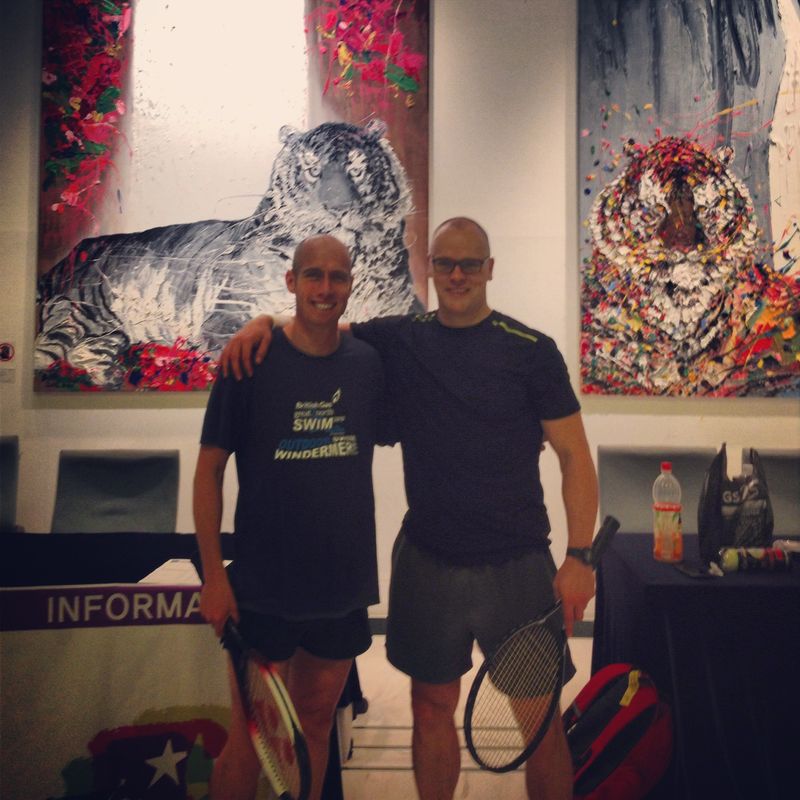
More importantly, he likes tennis.
We were determined to play, after planning it for weeks, but on the day we had it planned, the heavens opened.
But then like some sort of divine intervention, the deluge relented and we took our chance, leaping into a taxi to the local courts.
To find puddle after puddle ,with brushes and sponges with no handles. Which meant half an hour of pushing like this in 90% heat…
Look at Fred go, he's a bloody viking.
He proved so on court, chasing down every ball like a demon.
We managed to split the score a set each after over 2 hours.
Then shared electrolyte rich drinks before heading back to the hotel.
After recovering, we ended up staying up all night drinking before going on our seperate flights home.
The 22 hour journey coupled with not playing tennis for nearly ten years has left my body in pieces.
But that's temporary.
I have a feeling friendship with Fred will last a long time. Hopefully it won't be anoother two years before we meet again (the Koreans might even be daft enough to invite us back)
1. I'm off to South Korea next week to help judge the Adstars awards. I'm very lucky they've been kind enough to invite me.They've been foolish enough to ask me to do a seminar on connecting with youth markets. It's below. To be honest, it feels like a summary of lots of other people's work, but hopefully it makes one or two good points. Feedback very welcome
H
II
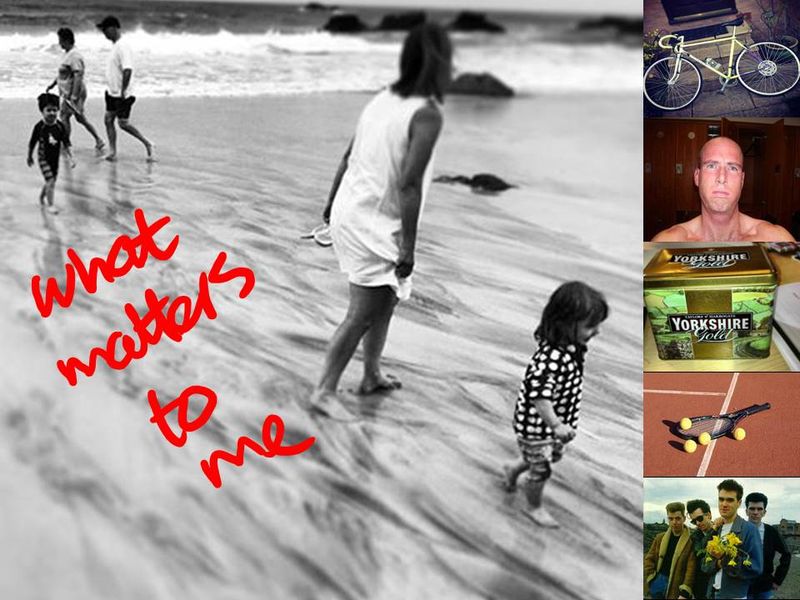
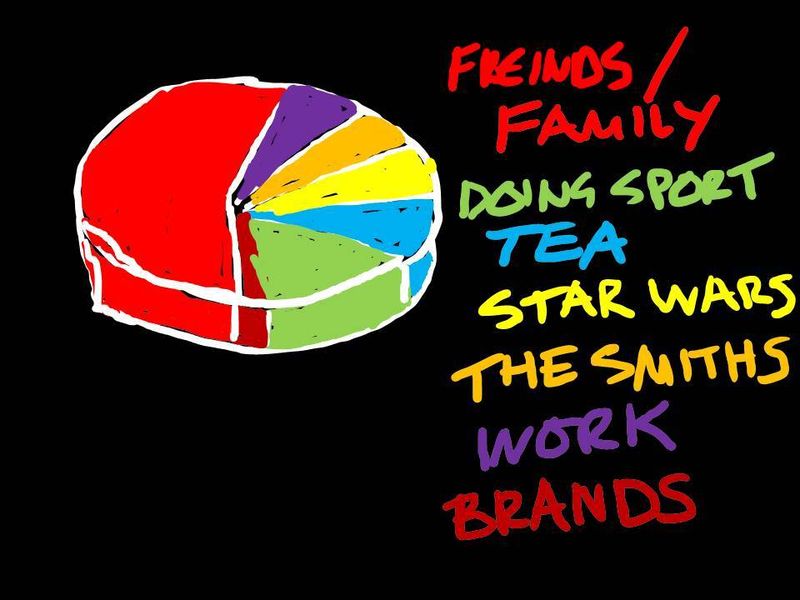
I’I'll start with a picture of my wife and
kids.
Because they matter to me more
than anything else. There’s other stuff
I love too…
I have an obsession with great
tea made properly in a tea pot. Yorkshire Tea to be precise.
I love getting out on my bike. I
love swimming –I used to be an international swimmer when I was and can’t lose
the habit, despite the fact it gets harder every year.
One day I’ll have time to play
tennis again too. Agassi was my hero. More on him later.
I have a deep and abiding love
for an 80’s British band called the Smiths. You don’t love any music as much as
the music you cared about when you were young. The Smiths were my band.
3. But I haven’t loved anything for as long as I’ve
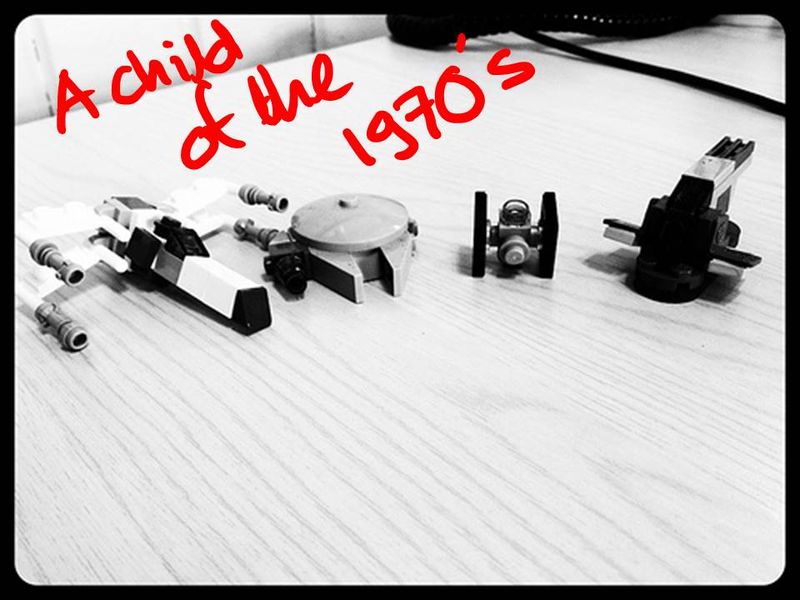
loved Star Wars. I was born in the 1970’s, this is not uncommon.
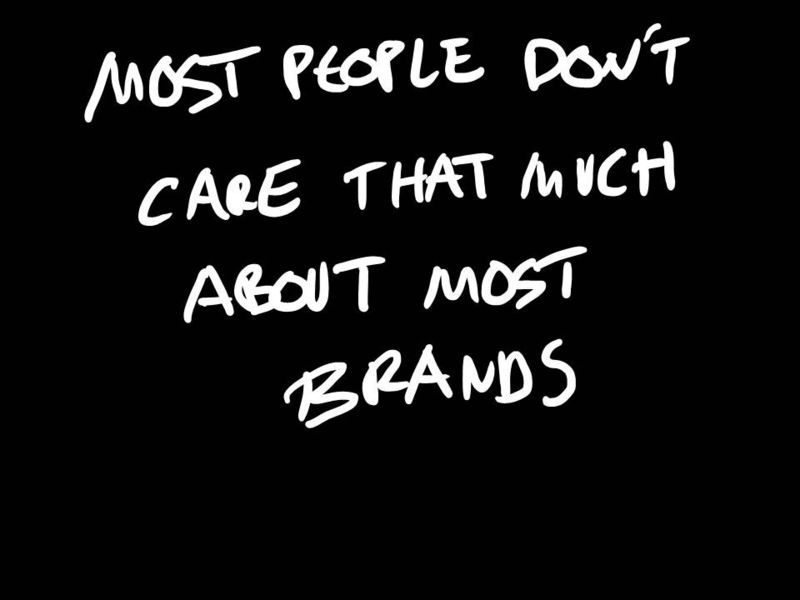
4. Just as the position of brands in my life is
pretty normal too. They just don’t feature that much. Like most people, other
things matter a lot more to me. They make life simpler when it comes to deciding
what to buy, sometimes I get interested in what they’ve got to say. But they’re
not really a big part of my life.
5. Which is the best starting point for any
brand. Despite the claims of brand
consultants and other gurus, when you look at the data, most people don’t care
about many brands very much.
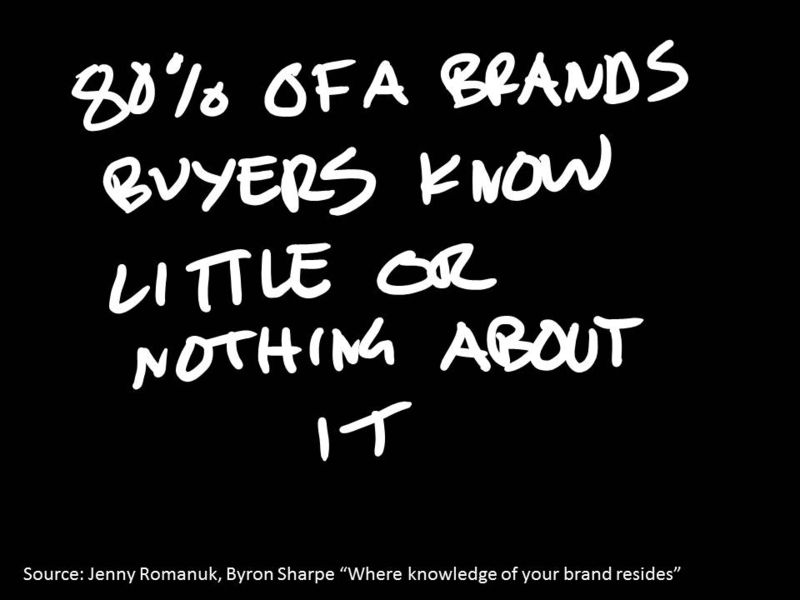
6. Most buyers of a brand actually don’t know that
much about it.
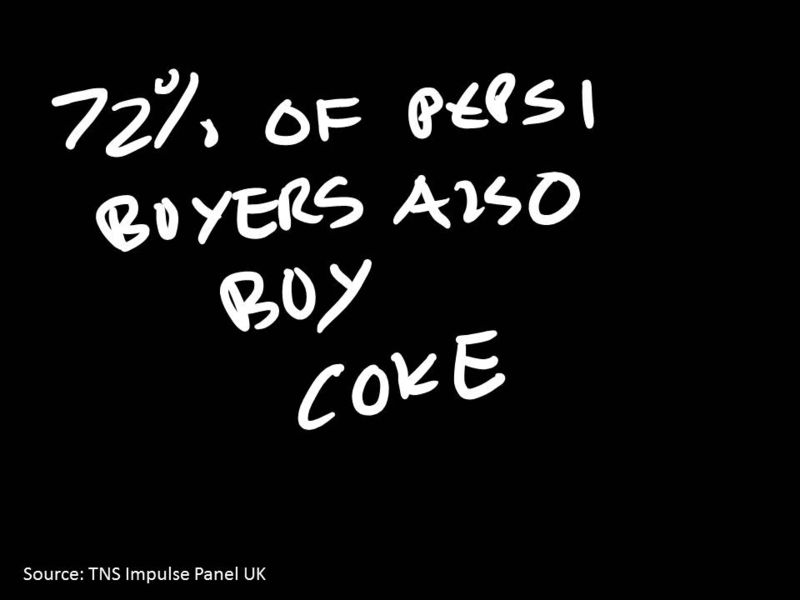
7. And they’re certainly not loyal by any stretch
of the imagination. Even a powerhouse brand like Pepsi isn’t bought
exclusively. Because in real life, I MIGHT quite like the brand I MIGHT prefer
the taste, but like most people, I’ll buy what’s available. If there’s no
Pepsi, I’ll happily drink Coke and Vice-versa.
8. It shouldn’t be news to people who work in brand
communication but it seems to be.
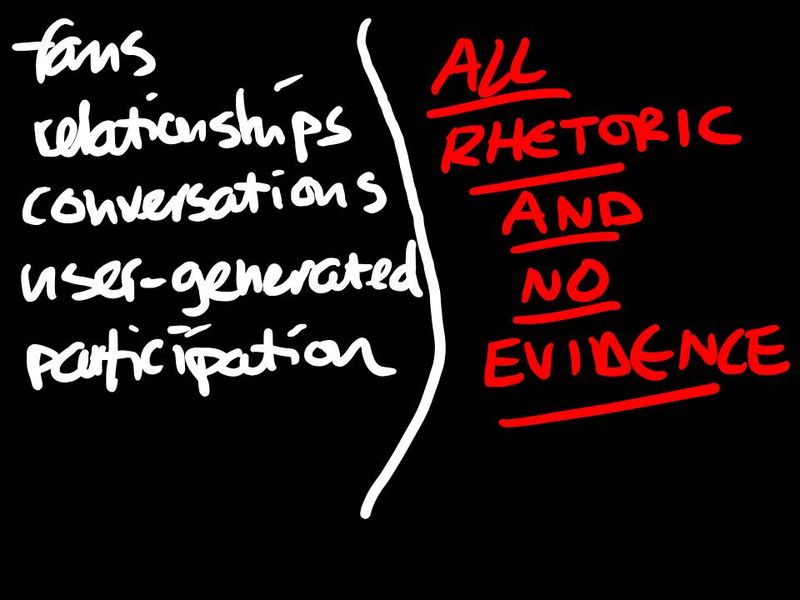
‘Relationships’ ‘user generated
content’ ‘conversations’ or even, god forbid, ‘love’. Much of the approach to
brands is based in the false assumption that anyone cares.
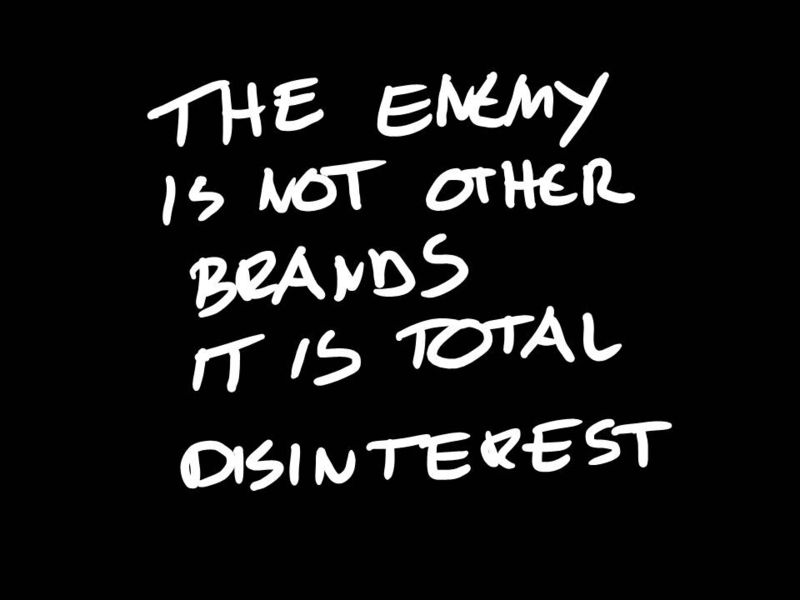
9. Our fundamental challenge is overcoming
indifference. Our most precious commodity is attention.
10. Many brands still persist in firing repetitive
messages at people over and over again. Bludgeoning the message into their
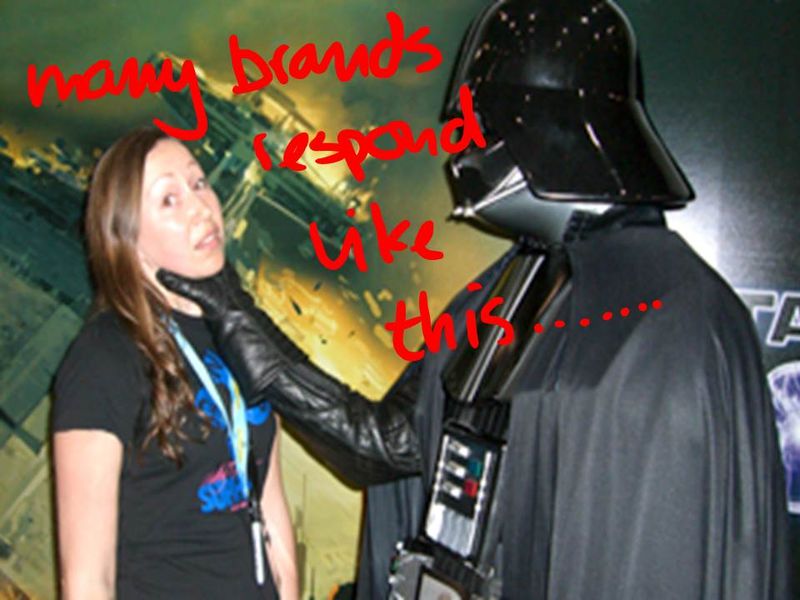
brains. Which often feels a little like this (more Star Wars, I know) if I’m
honest.
11. But this is increasingly ineffective with the global
youth generation for whom digital is a way of life, for whom everything is a
click away, for whom the possibilities for entertainment and content seem
virtually limitless. Who are getting really good at filtering out the stuff
they’re not interested in. They’ll only
talk to who they want to, watch what they want and listen to what and who they
want. And ignore the rest.
12. There’s a kind of ‘brand Darwinism’ going on.
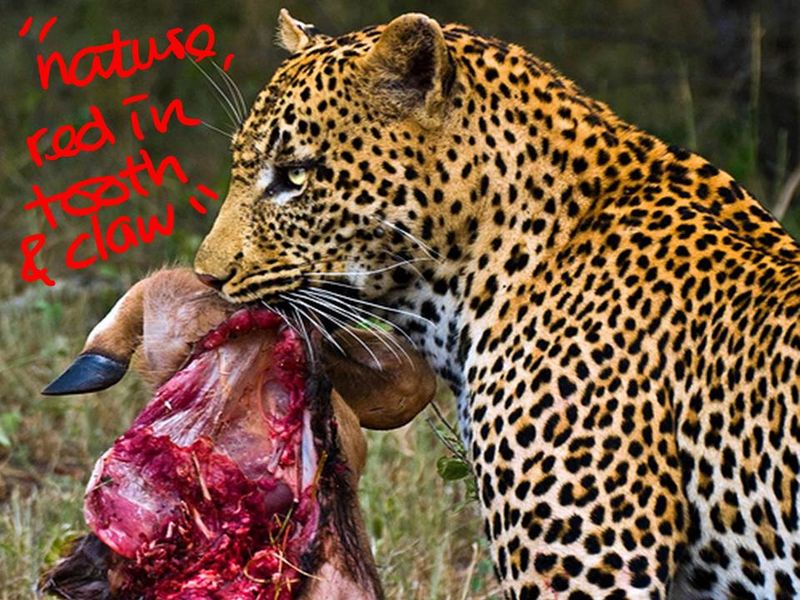
Darwin quoted that nature is ‘red in tooth and claw’. So are youth markets. But
it’s not survival of the fittest, it’s survival of the most interesting, the
most cool.
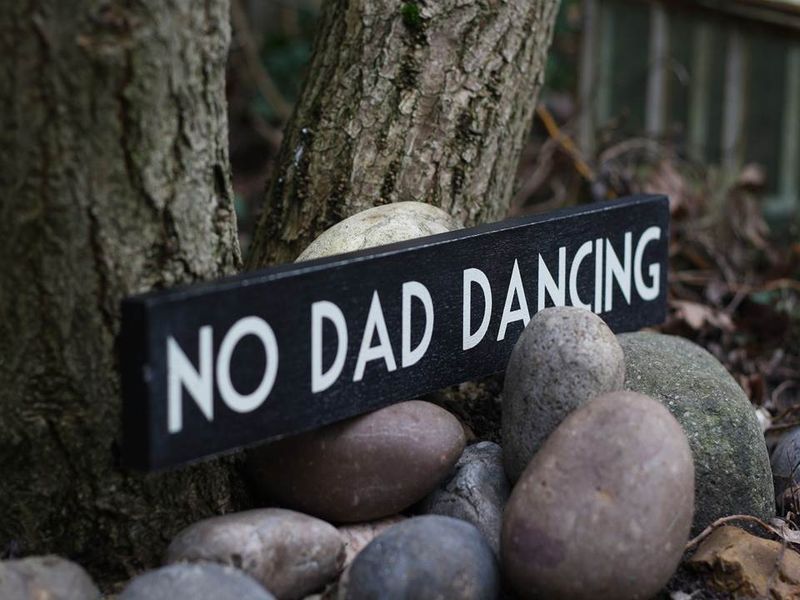
13. But being cool isn’t easy. Especially for grown
ups. As anyone who has experienced their Dad dancing at their wedding will
know. Somehow you need to find credibility.
Which means you can’t turn up in
their world with your agenda and just hope they’re going to pay attention. You
need to earn it.
14. In fact, human beings in general spend most of
their lives paying little attention to what we do or how we do it. Our over
supplied world means we’re always looking for ways to not to think. That was
the whole point of brands in the first place. But every now and again we get
‘whole body responses’ where we switch our full attention to something- the
moment you wake up in the car to break for a pedestrian. Your pulse races, your
muscles tighten, your skin flushes. This
is also why sport is enduringly popular. It actually gives us that physical
rush. As does great music or a film that
captures our imagination.
15.
What we should seek to be creating are those ‘fuck
me!’ moments. We’ve all experienced them. The moment when the worlds stands
still and you make some sort of personal and cultural connection with a brand.
16. This is mine. Andre Agassi and Nike. Yes, I wore
those pink cycle shorts. But this was about a lot more than questionable taste
in fashion. This was about a global cultural flashpoint. Tennis had always been
part of establishment, the sport of the middle classes, where, away from the
stadiums, the clubs were controlled by elitist, traditional types for whom
teenagers were an annoyance. Whom in many cases, frowned on non-white uniforms.
Any young person who plays tennis will have come across this at that some
point. Nike, with Agassi, made us feel a little braver, strengthened our
resolve to enjoy tennis our way. It made tennis feel good to us, it got Nike
talked because it got to the heart of how tennis felt to young people.
17. This is how brands can connect with young people
who have better things to do. They make them feel something, they find a way to
be credibly part of their world. Not by piggy backing the latest thing. Not by
predicting what they’ll be into next, they don’t know themselves. Rather, make
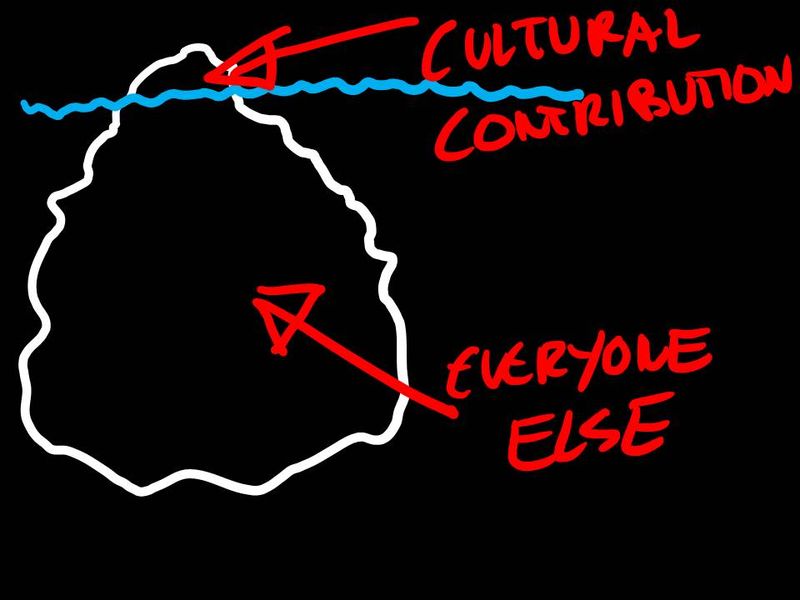
a genuine cultural contribution. By
resolving some tension or contradiction in their real lives.
18. And it’s really hard to compete head on with
popular culture. You’re not going to be better than Lady Ga Ga, or even the
Harlem Shake
19. Here’s some stuff happening right now:
Youths in the UK are addicted to
following celebrity lifestyles, but austerity is making this something we don’t
want to admit to
They are also responding to
austerity by becoming more materialistic and working harder, driving a
conflicting pressure to find outlets and be irreverent.
In China, there is a tension
between the need to be a good citizen and the pull of instant gratification
brought on by new economic freedoms
20. Life is never simple or smooth like research
tries to make it. It’s messy. That’s what make so interesting. The more you
embrace the conflict the more interesting the work becomes.
21. It takes you to a place where you naturally do
something interesting, funny, cool and different, because you’re right at the
heart what THEY care about. You’re adding something rather than following.
22. Forgive more Star Wars, but if a brand was Darth
Vader, Luke’s father of course, he would be able to dance at Luke’s wedding
like this
23. The IPA Databank contains decades of
effectiveness case studies and finds that ‘fame’ campaigns, those that get
talked about are the most effective. Because being seen to lead makes people
naturally assume you’re the best, worth paying more for. It makes you cool. And
they tend to do by digging right into something in real culture.
24. So……………………………
How do you find that cultural flashpoints? How do you create
these fuck me moments?
(deep breath, sip of water)
25. Start with culture and work back.
Not the brand. Make it fit their
lives, not the other way around.
Easier said than done. I’m nearly 40. I don’t go out as much as I
used to. But the most valuable asset you can is a feel for what’s going in
culture. You need to keep your cultural instincts as sharp as possible.
26. That means hanging out with interesting people. People
who don’t do advertising. Hire people who are interesting in much more than
advertising. People with their fingers on the pulse. Listen to them.
Don’t read advertising books.
Read weird shit. Lots of it.
27. But above and beyond all of this, don’t rely on
traditional research it’s mostly useless. That’s about getting people into fake
environments and asking them stupid questions they never really think about in
real life. Anyone who knows is someone under 24 knows perfectly well they find
it hard to tell you how they really feel.
No, you have to accept that
developing brand communications for young people, any people in fact, is not a
desk job. The best research you can do, formal or otherwise, is talking to them
in their own environment, where they feel comfortable. Watch, listen, soak up
what’s going on.
The task of research is not to
uncover opinions. It is to uncover behaviour and context.
28. Put another way, forget the zoo, go straight to
the jungle.
29. As some sort if process, it looks a little like
this.
Be clear about the business
problem to solve.
We’re here to sell
stuff. If you just want to make art
entertainment, give Stephen Speilberg a call.
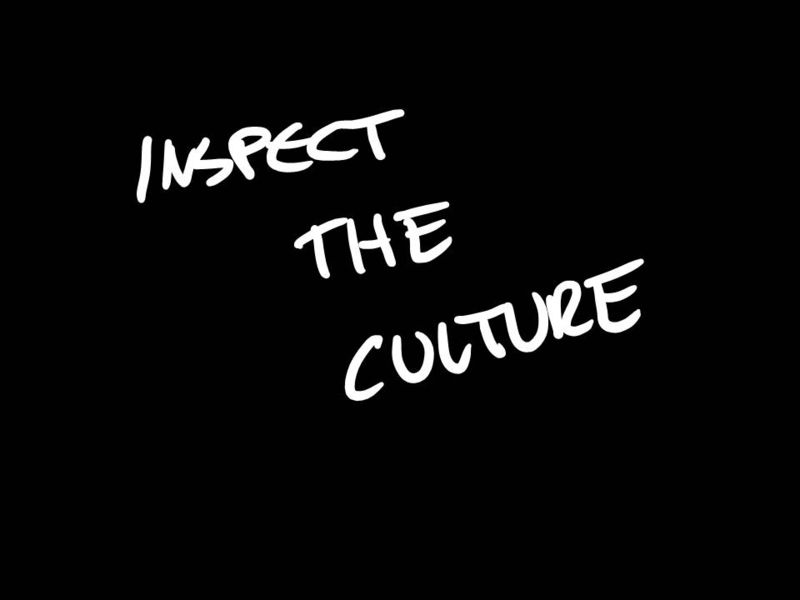
Inspect the real culture around this,
what does that look like in real life? Look for an issue or tension you can get
involved in.
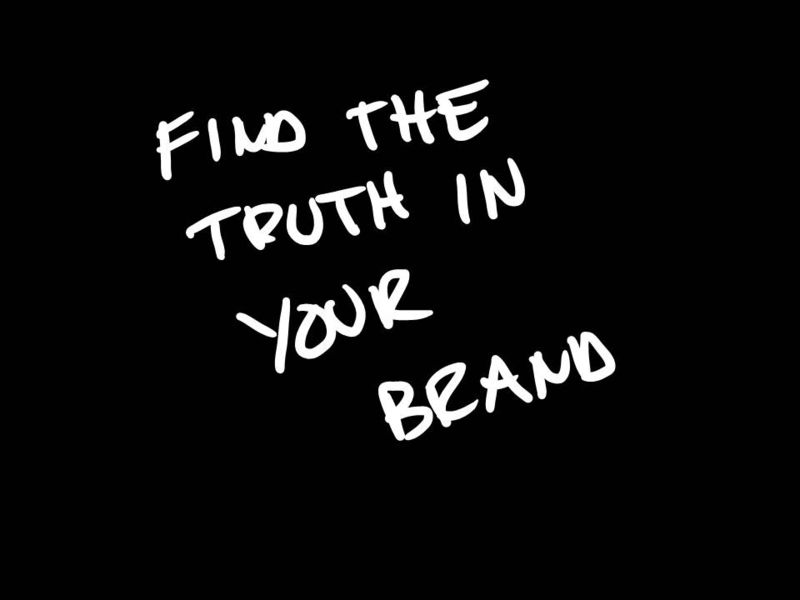
Then, and only then, find the
truth in your brand that can provide an answer
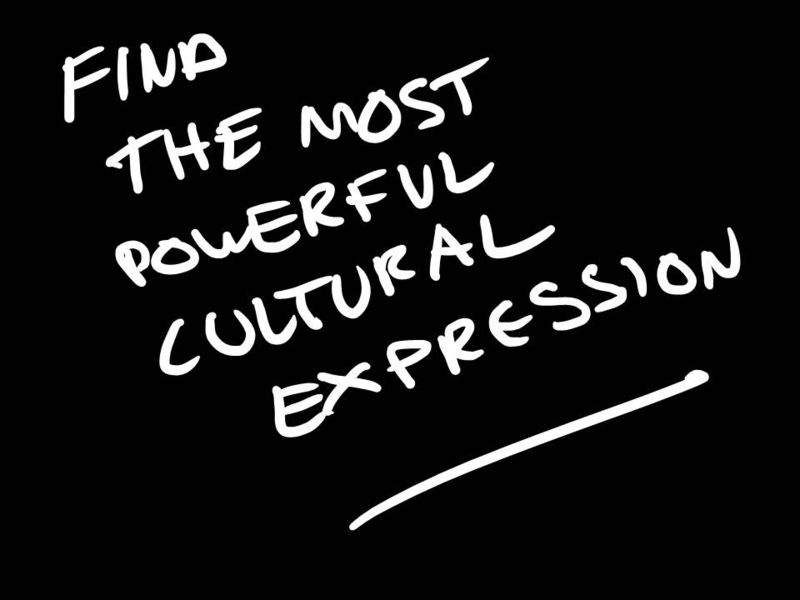
But don’t then look to make
advertising. Find the most powerful cultural expression of this.
Some case studies.
30.ghd- hair straighteners- global
Business Issue
Growth opportunity with under 24
women, but straight hair was only one of their style repertoire. We needed to
make them care that ghd doesn’t just straighten, is can curl, flick…the lot
Cultural issue
Young western women under
pressure to conform to conflicting societal expectations – the successful
career women, the model, the sexually confident temptress and the care giver
–at the expense of their own unspoken desires.
Brand truth
ghd instantly transforms how a
woman feels about herself and gives her the confidence to be independent, ignore the limits society sets on her and
pursue her own desires.
Cultural Expression 1
The drama and ritual of preparing
for the big night out
Cultural Expression2
The pain of “puppy love”
31.Southern Comfort -global
Incidentally, this ‘identity
crisis’ is becoming a male phenomenon too and Southern Comfort encourages men
to do their own thing, be comfortable in their own skin
32.VB Australia
While VB Beer in Australia has a
different brand truth -it’s positioned
as a traditional, real beer. It’s answer needs to be rooted in tradition – hard
with a youth audience!! The answer is to
inspire young men to wake up to their increased ‘feminisation’and
rediscover true manhood.
33.Orange UK
Business Issue
Increase penetration amongst
young people through their love of cinema
Cultural Issue
Not do they find product
placement obvious and annoying, they find mobiles in cinema frustrating full
stop. In fact, deference for big brands amongst UK youth has disappeared. They
need to demonstrate they want to add to THEIR world, not the other way around.
Brand Truth
Orange exists to use technology
to enrich and improve lives – the final cultural leap was to understand that
the saturation of mobile phones meant they can also make it worse. Orange
needed to be seen to persuade people NOT to use their phones
Cultural Expression
The annoyance of product
placement blended with the ‘movie pitch’
The Star Wars one (obviously)
In conclusion, there is no quick fix to marketing to today’s
youth. There are no short cuts. No one owes us a second of attention. You are
either relevant or nowhere.
But if you can tap into stuff they care about,
embrace all those wonderful contradictions and even help resolve them, that’s
where the magic happens.
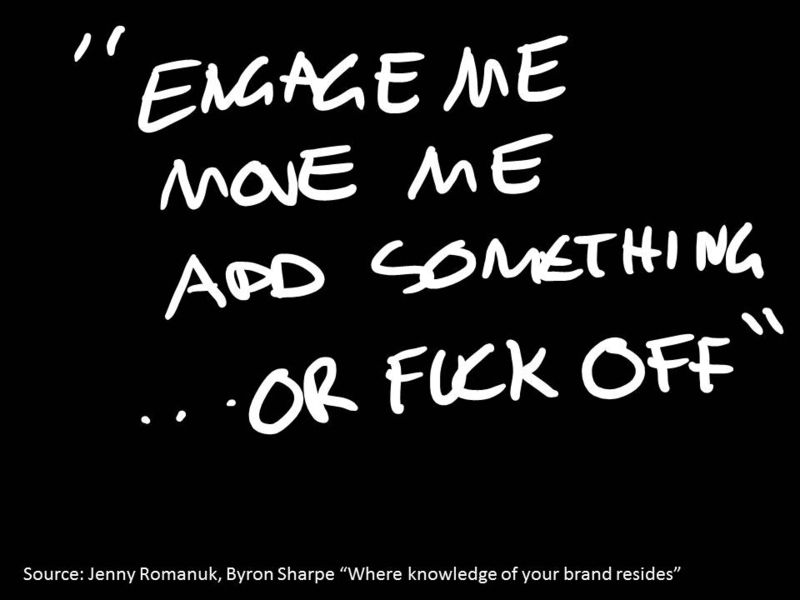
Put another way, “Engage me, move me, add something, be
useful, or fuck off”
Two of the ads a I remember from when I was a lad are these…….
Times have changed of course.
The first was catnip to a teenage club tennis player who hated the rules and the stuffy heirarchy.
The second I remember just because the whole campaign was so distinctive and the line was so memorable. A modern version would work on my wife – a devoted mother.
Both are very different because they have very different contexts.
The Nike ad was all about creating a new frame of reference for young people frustrated with modern tennis, and probably encouraging more to get into it, rather than be put off by a compalacent world for grown ups. In short, rebellion.
While Persil is about reliability and showing you care. Persil doesn't wash whiter, Persil Mum's wash whiter because they're the kind of Mum's who care that little bit more. Smart in a low interest category – don't talk about yourself and find a relevant wider enthusiasm.
The basic rules remain the same of course, build fame, build distinctive memory structures, tap into stuff folks really care about, or could care about, that no one else does.
Which shows that a great place to start in any strategy is behavioural reinforcement.
FInd the credible line between what the brand cares about and what the customers care about.
Then figure out if you need to inspire folks to get there, like Nike, or simply celebrate what they're already doing, like Persil.
Which in turn, means the quickest way to unlock strategy is often to find something to admire about your audience.
That can be a challenge for agency folks who are not a representative sample of most target audiences, but when learn how to admire them, you can understand how to get others to admire them too.
Which then brings scale to your idea.
When you get the world at large to admire your customers for a distinctive reason, they want to join in, or at least it gives them a new frame of referenc for the brand, which builds penetration, which reaches light buyers, which sustains growth.
This is behavioural reinforcement, a simple recognition of the loving sacrifice that connect most Mums.
This reinforces a relatively new British attitude that values savviness around money, we feel good about getting a deal, when it's not that long ago that we hated feeling 'cheap'.
This reflects changing British attitudes to homes, that are less an investment these days and more a cocoon.
And this reflects the growing sense of independence and confidence in British Generation Y women.
Behavioural reinforcement doesn't get talked about much these days, but it's at the core of some great, effective work.
As Persil and Nike show, times change, some things stay the same.
We think teen pregnancy is 25 times higher than it is.
We think crime is going up when it's going down.
We think we spend more on unemployed folks than pensioners, when it's massively the other way.
We think benefit fraud is exponentially higher than it is.
And so on.
Why? My view is that the national discourse tends to support these assertions, and mere facts rarely change the mind of people who's minds are firmly made up. Perception is reality.
Which, in planner land, shows the danger of using rational facts to change people's perceptions, and perhaps points to the need to create new frames of reference.
Think of our own industry and the stuff we tend to get wrong.
TV is dead, when it's becoming more effective.
Brands are all about engagement and involvement now, when the data shows most people really can't be bothered.
Strategy is a choice between frequency and penetration, when penetration is the only game in town.
You can't spend you way to growth, when the IPA Databank has a precise formula showing you can.
Creative awards only serve vanity, when awarded campaigns are more effective.
Promotions create trial, when they mostly build sales from existing, lighter buyers.
Icon brands are different, when Dell has comparable loyalty levels as Apple and Adidas shares a massive amount of buyers with Nike.
Word of mouth began with and is ruled by social media, when 90% of it still happens offline.






 NORTHERN PLANNER