• So the Olympics are finally here. Naturally I'm watching a fair bit of swimming, which is bittersweet as it makes me want to drop everything and everyone and swim and swim until my chest bursts and my arms stop working. I can't begin to describe the pure joy in feeling your own strength and doing something you know you were born to do. But it's more than that.

    Once you reach a certain level of skill and fitness it's incredibly liberating to just go mental and tear into your chosen sport because you can. The sensation of endless energy and incredible, unstoppable momentum is more addictive that anything else I could possibly imagine.

    One more thing, we celebrate gold silver and bronze, but to just make the final, in fact, just to qualify is an incredible feat of persistence, hard work and physical excellence.

    I can only really speak for swimming, but that's 5 hours a day of intense agony, you are never really free of the ache in your shoulders, and sacrifice.

    Hannah Miley of the UK 'only came 5th' in the 400 medley. That's 100 metres butterfly at full pace AND THEN another 300m mixing up the other strokes.

    Doing ANY butterfly at all is beyond most humans, let alone 100m and certainly not following that with another 300m of anything, let alone sprinting. It's agony for the best and beyond most of the speed merchants you'll find in your local pool.

    That's why I love the Olympics, it's celebration of humanity and the sheer,wonderful possibility that resides in all of us.

  • Every block of stone has a statue inside it and it is the task of the sculptor to discover it.

    Michelangelo
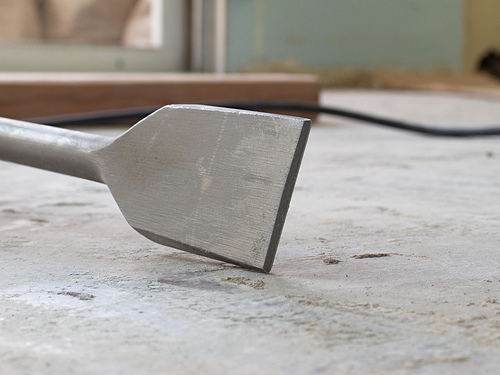
     

    Chisel

    If you haven't read Jonathan Lehrer's fantastic book about how creativity works, you should.

    Firstly because it goes a long way to prove that creativity is much less a 'skill' than the way you go about things. Anyone can be creative if they want to.

    Secondly, because it clearly shows (with proper science) that being creative is not just about getting big ideas that arrive by 'not thinking'. You know, seemed epiphanies that arrive from nowhere when you're in the shower (although the shower is a good place to have them since they come when you're relaxed and slightly fuzzy- not when you're wired on coffee, which is, funnily enough the beverage of the creative type….perhaps wrongly so).

    This is often used as justification for the languorous flaneur in agencies, slouching around, just shooting the breeze.

    When, in essence, this approach only works if you've gone through the pain and misery of abject failure, read, scribbled, struggled with a cacophony of sources and crap ideas and literally thought, "That's it, I can't take anymore".

    Ideas don't float up from the sub-conscious unless it's been properly fed.

    But, let's be honest, serendipity often fails us. Which brings us to a, more reliable and less feted, form of creative approach and idea generation. Again, sheer hard work, but hard work to refine and refine again. 

    Now, you don't often see 'hard work' anywhere near 'artist' but the truth is, in my own experience, the people with the best ideas just work harder than anyone else.

    They don't sit around and waiting for ideas to appear my magic, they immediately start writing, drawing or scribbling, creating very bad starters and then refining, editing and improving until they get to something great. 

    Lehrer calls this practise 'unconcealing'. Getting those jumbled thoughts down from the front of your mind as quickly as possible, to create something half formed, mostly wrong and, essentially crap, then working out what's wrong with it bit by fit, fixing it one step at a time.

    Chipping away at the wrongness to reveal the shining brilliance hidden in there somewhere.

    Don't get me wrong, it's bloody hard work, but it's also foolproof, as long as you continually pick up what you have, shake it around, throw it against the wall until it's not just okay, it sings.

    For a planner, it's the only way to  consistently write consistently great creative briefs, presentations, proposals or anything else.

    It's also, in reality, the way you should approach strategy and ideas themselves. By all means look for epiphanies (and do the work to give yourself the chance of having one) but don't wait for them, start making crap stuff and push yourself to make that crap into gold.

    That means switch off Facebook, don't flit around online, don't stop for little chats. Sit down, stay there and keep going.

    You're looking for that heightened level of concentration when you don't even know you're thinking, where you're just lost in the task – flow.

    That also means you need a framework to channel the crap into. I used to be a fan of open creative brief formats but now realise you need constriction to free up creativity, the tyranny of answering specific questions within a limited space forces editing and precis and, the discipline of HAVING to develop your thinking so it all links and fits.

    God forbid, perhaps there's a role for brand onions and proprietary planning processes. Perhaps.

    Take the Haiku. It's bloody hard to write anything that makes sense in 17 sylabels, let alone something beautiful, but the constriction seems to amplify creativity and produce  profound and moving little pieces of wonder.

    I hated the 'Disruption' process at TBWA with a passion, but I have to admit, the rigour of having to fit brand ideas into 'Convention' 'Disruption' and 'Growth Vision' didn't half make things develop quicker, as long as you treated the framework as an idea shaping filter, not an idea generating tool of itself.

    Perversely, I'd suggest that telly ads end up MORE creative because they have to fit into 30 seconds, just as press needs to fit into a quarter page. It creates focus, it creates tension and problems, it forces extra development- it forces better ideas.

    Which is why it's so important to have some constriction as to how you might express ideas themselves.

    I'm a fan of using 'log-lines' for campaign ideas for example, like they use in film pitches. It forces you to get to the essence of an idea really quickly, rather than mistaking art direction or a line, or even casting for a genuine thought.

    So, yes, the most consistent route to great ideas is ferocious hard work and continuous refinement. It's less flashes of insight and more seeing what's wrong with things. It's not very cool I'm afraid, but, to quote Lehrer, "If you want to be at the cutting edge, be prepared to bleed".

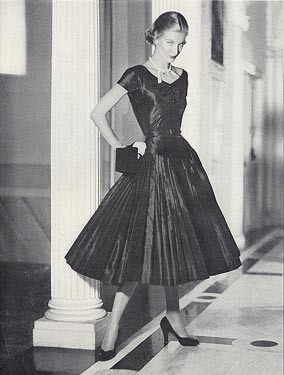
  • At eighteen, we wear what everyone else wears. Most of us are frightened of individuality at that age, not least when we're far away from home and trying to fit in (students etc).

    Therefore, most of teen culture since the 1950's has involved some sort of uniform that, in one contradictory swoop, enables them to gently rub against the generation that came before, flick the bird to the grown-ups and utterly conform with each other. Few have had the self confidence to be different and ignore what everybody thinks and wears. 

    A few years ago, teenage girls mostly worse low rise jeans to expose the muffin topped belly.

    Muffin

    Then it was skinny jeans forced into whatever size legs they had with smock tops.

    From that basis of conformity, as we grow as people and construct our identity, begin to branch out.

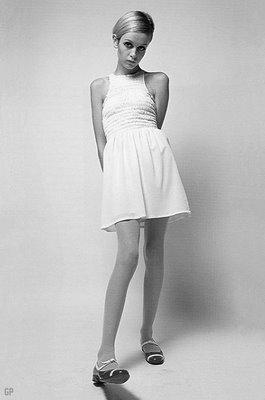
    Well, sort of anyway. These uniforms always reflect shifts in society, that's why I find it daft for sniffy intellectual types to dismiss fashion, it's a beacon of the times it lives in. In the 1950's it was the twinset, in the progressive 60's it was the miniskirt (but for much less of it than most assume).

    Mini-1966-twiggy-1

    Clothes in the 60's represented the emancipation of female bodies, largely tearing apart the soft femininity and elegance of Diors 'New Look'.

    NewLook

    The liberation of shoes without massive heals literally as well as metaphorically took women to places they'd found hard to explore before.

    In other words, clothes wear us as much as we wear them, which is why, it's so interesting to look at the way young people really dress now.

    No longer is it one uniform. For a bit it was the uniform of the tribe, lots of different accepted ways of dressing to fit in, but contemporary youth fashion, and even  more the grown up version, is now porous, just as culture has become so.

    If there is a uniform, it is incredibly subtle as they constantly mash it up and swap identity. The codes are so subtle that only the most attentive observers can understand it. It is still uniform, but, like the secret handshake, only those in the know get it.

    Which means that if you're doing anything with 'yoof' as a marketing type, you either have to absolutely on the money if you try and mirror their lives back to them, or instead, both harder and easier, have a big, motivating, provocative vision for them to partipate in, that zones in on a searing cultural issue or need.


  • I often think the daftest thing you can possibly do is read the same stuff as everyone else. Contagious, Archive, Creative Review, the D&AD book – all it gives you is stuff to copy…and guess what everyone else is doing?

    Self obsession is never an attractive trait, and ad/digital type people are one of the guiltiest tribes. Apart from the hideous, destructive qualities of pre-testing, it's the reason that so much creative work looks the same. The people that made it all read the same stuff.

    New stuff that's useful comes from voraciously consuming lots of apparently useless stuff and making the connections – widening the bandwidth of your mental scrapbook as much as you can.

    That's why I've re-subcribed to Stack. A different set of obscure magazines to read every month. Wierd, esoteric, not the usual. I found I was reading too much of the same old stuff. Time to go back on safari, which, with kids and stuff is harder than ever.

    I need ready made serendipity.

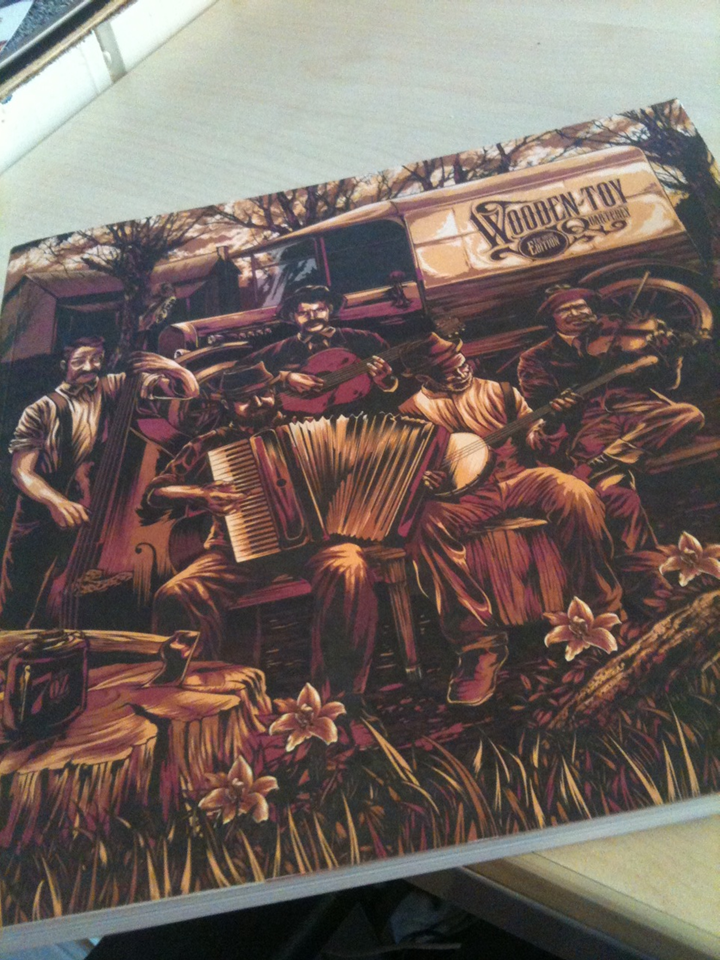
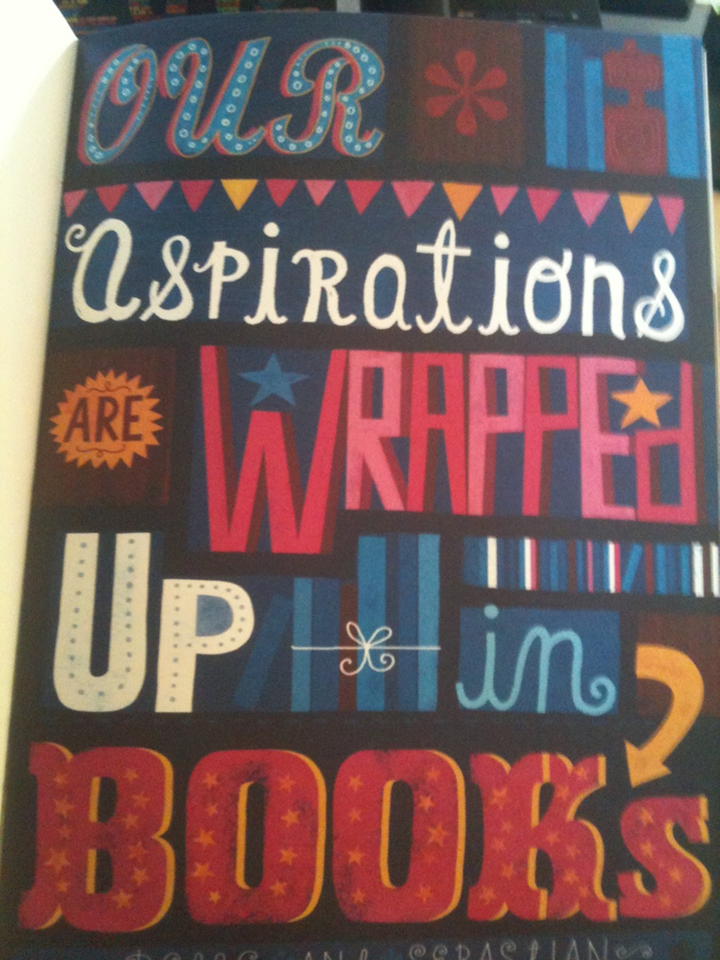
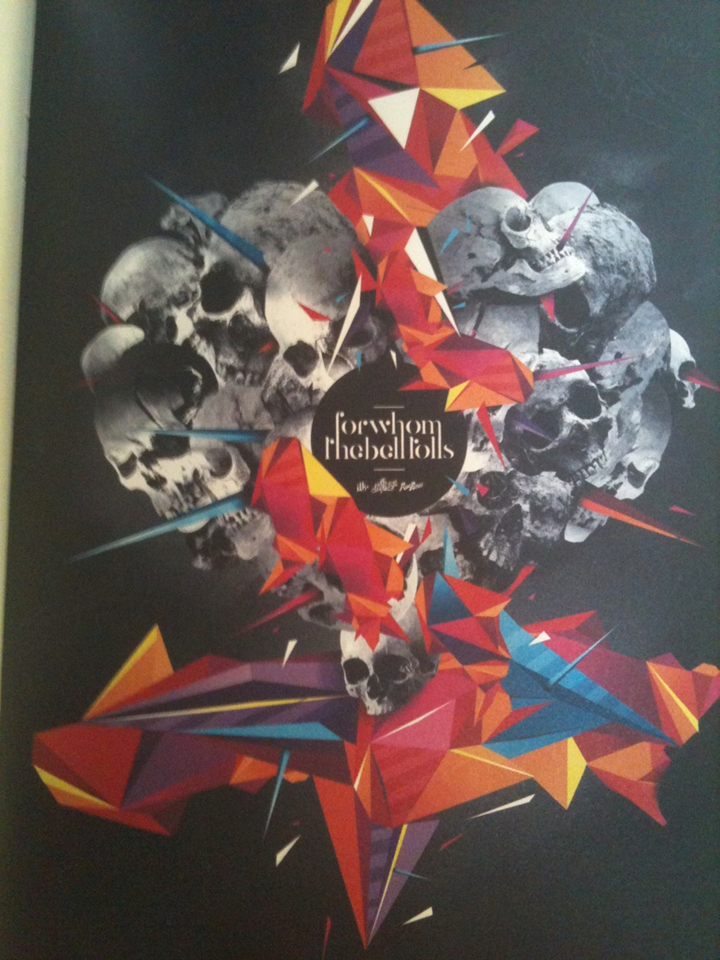
    Take this month and Wooden Toy magazine. I'm still not 100% what it's supposed to be about, roughly some intersection between design, art and obscure music, But the writing is great and the art direction is unlike anything I've seen from any creative department I've ever worked with (possibly a reflection on the creative departments I know).

    Look at this, lines from songs illustrated. Beautiful. I don't how this will come in handy, but I'm sure it will someday.

  • There was one other thing on that IPA Modern Briefing that, talking about it with someone, made me go 'Are you sure?'. It was something Patricia Macdonald (from Glue )raised.

    Before I start, let me state that she's obviously a lot cleverer, successful and talented than I could hope to be.

    Let me also say that I enjoyed her advice to turn business problems into behavioural problems, something too many strategy types have forgotten, leading to 'making great work' as their only goal, rather than 'great work that solves business issues'.

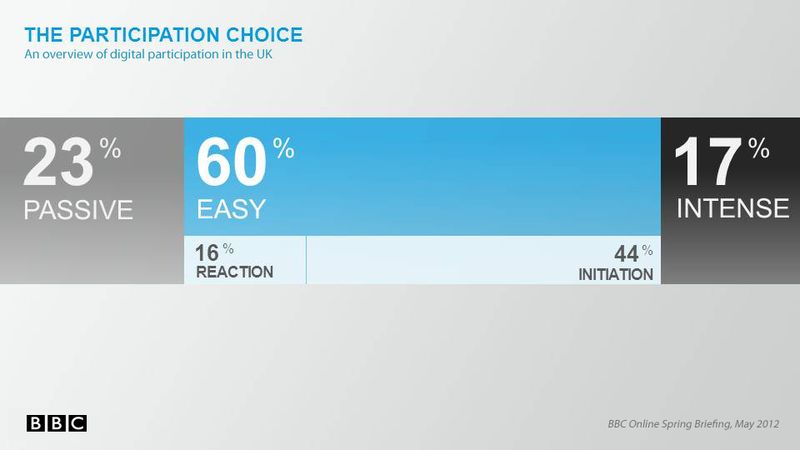
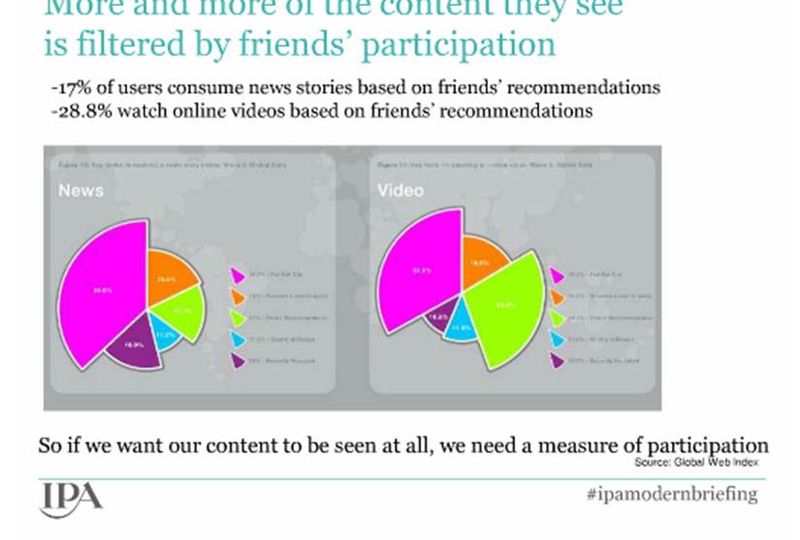
    BUT, I didn't agree with her use of data to support the assertion that 'participation is the currency of the modern campaign'. Specifically this data:

    Participation

    Yes, the 1:9:90 may not be correct for today's post-digital folk, yes, it may be well be a 'way of life' for more and more people, but that doesn't make it the natural heartland of brand communication.

    Oh, and then there is this:

    People
    This really isn't evidence for participation, it's evidence that the large MAJORITY of people DON'T rely on friends for content. Isn't it?

    Then there's this quote (backed up by proper quant analysis by the way) from the Future Foundation:

    "It must be significant that 1 in 3 of us say that we now feel more influenced by experts than we once did. Meanwhile, an identical proportion will report that they feel less influenced by contacts on our social networks"

    Again, only a third of people, but if she can quote that content chart, I can quote this!

    Topline, the data isn't about participting with brands, it's more about people participating with each other. Just because that's what people are doing, it simply doesn't follow that brands can muscle in.

    Getting traction in this kind of way is completely different to paid media, where most people implicitly accept the deal they make, accepting interruptive advertising in exchange for cheap or even free media.

    Even then, it's wrong headed to assume that because TV watching is a way of life, TV advertising is the currency of the modern campaign either.

    People ignore crap ads and do their best to avoid them.

    Just like they flick past crap print ads, or ignore crap outdoor.

    Just like no one will give up their valuable time to participate with anything a brand makes that isn't either widly entertaining, or wildly useful.

    In fact, where there's so much stuff to play around with, to assume most people will play with brands without a very good reason is even more wrongheaded.

    In a more crowded world with more to do, people want to think about brands LESS not more.

    And, as has been said elsewhere, you have to assume that those who 'participate with brands' are likely to heavy buyers, who shouldn't really be the focus of budget in most cases.

    So yes, most people might (MIGHT!) participate as a way of life, but they don't participate with BRANDS as a way of life and they never will.


  • Jockey_Brief_2_pack_White

    (sorry about the visual pun)

    So I went to the IPA Modern Briefing event yesterday and it was really good. It's true that planning often spends too much time talking to itself, but this felt different.Thankfully because the speakers didn't fall into that dreadful trap of fetishising the brief- you know, sad planning directors tinkering with the boxes on the hallowed briefing document because they don't do any real work anymore.

    They didn't really talk about briefs.

    They really talked about developing strategy for a world that has moved on. Some useful, instantly actionable pointers on getting good work out of an increasingly messy and process that includes more and more actors. You can read the presentations here.

    Quotes of the day:

    "Media is too important to be left to media agencies" -Jason Gonslaves

    "Buying AKQA is an admission of defeat" Richard Huntington on WPP's latest purchase.

    Some things that made me go , erm, really?………..

    The bloke from Contagious going on about Kraft brand managers and agency types spending three months 'collaborating in a room'. Three months? What's the point of sharing this when the reality for most of us is getting quality stuff out faster and cheaper than ever before. Even the other speakers looked bemused.

    Which brings me to Contagious itself. Don't read it, seriously.

    Not only will they make you believe it's a perfect world where everyone is wildly innovative and everyone thinks in 'brand' rather than 'sales', everyone else is reading it. Fish where the others don't fish. Read weird stuff. Work hard, don't copy others.

    That's what I liked about the tone of most of the day, it was a big admission that this job is hard, and harder than ever.

    That said, it's really boring to talk about 'the age of this' and the 'age of that'. It's just as boring for this generation of strategy people talking about dealing with the 'how the world has changed', as if we're the first to deal with seismic shifts in our industry, as it is to listen to any young generation to think they've discovered 'rebellion'.

    The end of the commission stucture

    The rise of TV

    Clients starting to use research

    There was no point where this industry dealt with any sort of status quo for long, the big networks just pretended we did.

    And still do.

    I remember being taught on an APG creative brief course how 'propositions' has developed from 'single minded propositions' to 'emotional propositions' to 'task based propositions'. That was ten years ago. The only thing you can sure of in this business is change.

    Finally, many speakers talked of a 'traditional process' where you get the client brief, do some planning, get creatives involved, get the work approved then make it. I've never experienced this really and, to quote John Hegarty from over ten years ago, "Many conversations, not just one brief".

    The process, for great work anyway, has always been messy, collaborative and not completely linear. It's just that agencies like to pretend to clients that we're really professional and predictable.

    We, of course, are not.

    I think the main difference the day highlighted was that we're all finally admitting this and, more importantly, more clients are demanding that different practitioners actually work together towards one goal, and create stuff people actually notice and interact with, because they've run out excuses too.


  • With a two year old, it's inevitable I get my fair share of kids telly.

    Most of it manages that genius balance of being mostly aimed at kids, but with enough subtle adult themes to get parents watching with their offspring.

    Which means the usual, tired old archetype of Dad as the feckless idiot who needs resourceful Mum and kids to get him out the scrapes he continually blunders into.

    There's King Thistle.


    There's Daddy Pig


    Just like there's Mr Incredible


    You see this tired old archetype in hundreds of ads and stuff. Without wanting to bang on about male anxiety again, if ever there was an opportunity to creare a new, hero Dad type, it is now.

  •  

    There are two kinds of shopping.

    Hunting.

    Gathering.


    Hunting is the task based version when you know exactly what you want and desire to get it over with as soon as possible.

    4190764940_395f94835c_m

    It's the supermarket shop, it's the traditional man looking to buy a shirt. But it's also the woman looking for the quintessential black dress (and rarely finding it), it's the guy looking the perfect suit for the first job.So it can be utterly practical or bursting with drama – the trepidation of not finding what you want, the joy of the find and the fleeting contentment of owning it and, in the case of clothes, wearing it.

    Then there is gathering. 

    4190765202_7d8aca50fc_m

    The simple joy of prowling the shops, the shelves (real and virtual) simply to have a look at what is out there and be joyfully surprised – that intense gladness of discovery. The frisson of indulgence and naughtiness when you find something you don't need but now want more than life itself. Especially clothes of course. Here, it's as much about identity construction as anything, heightened by our modern transformation culture. The possibility of discovering a new version of yourself to try on and keep, or discard. It's free, you don't have to buy anything, the object, it's IDEA, what it might say, what part of yourself it might suddenly awake is enough.

    Increasingly for young men and well as women.

    That's in direct contrast to hunting, where you already know what side of yourself you want to project. It might have inspired by all sorts of stuff, but the idea is there. That little black dress might be fulfulling the wish to become sophisticated, sexy and cosmopolitan, perhaps inspired by a film, an image or simply an occasion where you know how you want to come across. Equally, it could be the need to be seen as a 'creative' type – the jeans, ironic t-shirt and urban hippie look of the modern agency, or digital type.

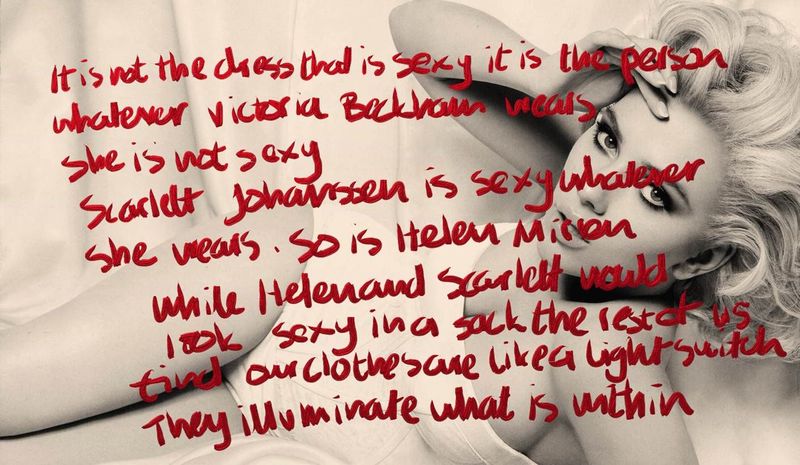
    Only the mentally disturbed don't look like they care about what they wear on purpose. Every decision about what we wear is a decision to show the world the person we want them to see, on some level.

    Unlike the relief and satisfaction of hunting, gathering relieves our need for novelty and surprise, the need for some sort of chance that we could be more than we thought we could be, that life isn't fixed. That everything is up for grabs. It's safe adventure if you like.

    It doesn't matter what shopping experience it is you are designing, it is either about finding something you want quickly – sometimes high drama, sometimes not- or wanting to research the world and be inspired. It's amazing how many retailers- on and offline – seem to either don't know this, or just ignore it.

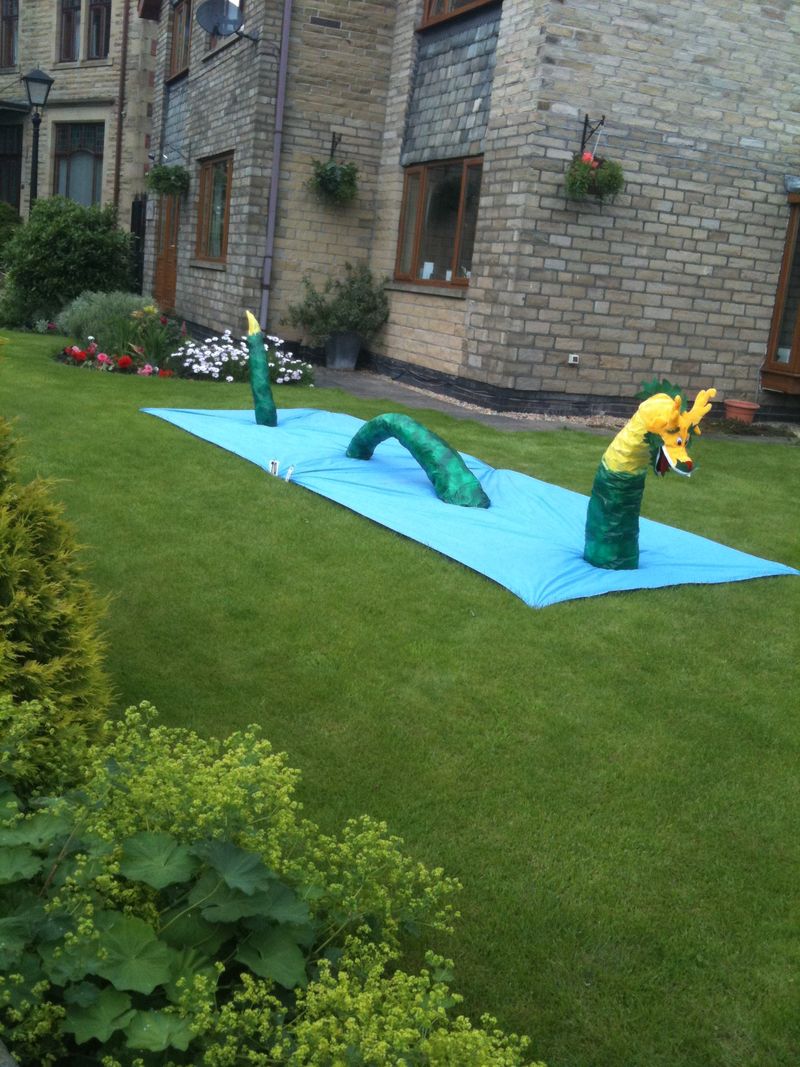
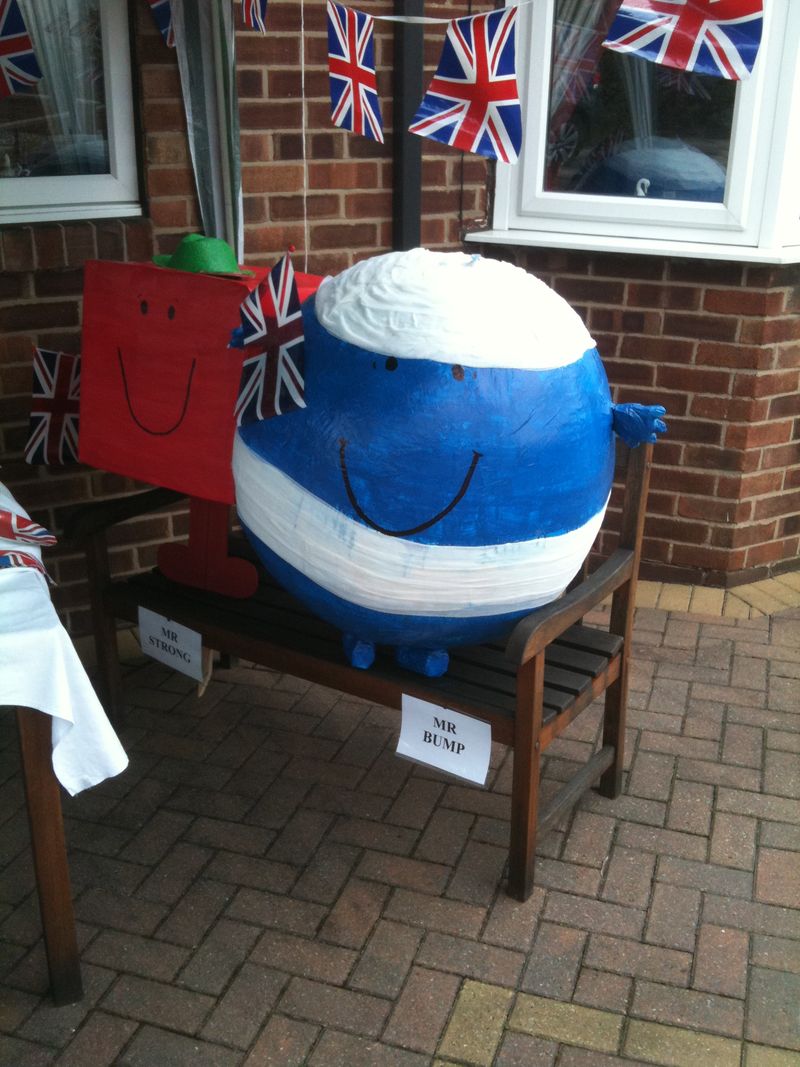
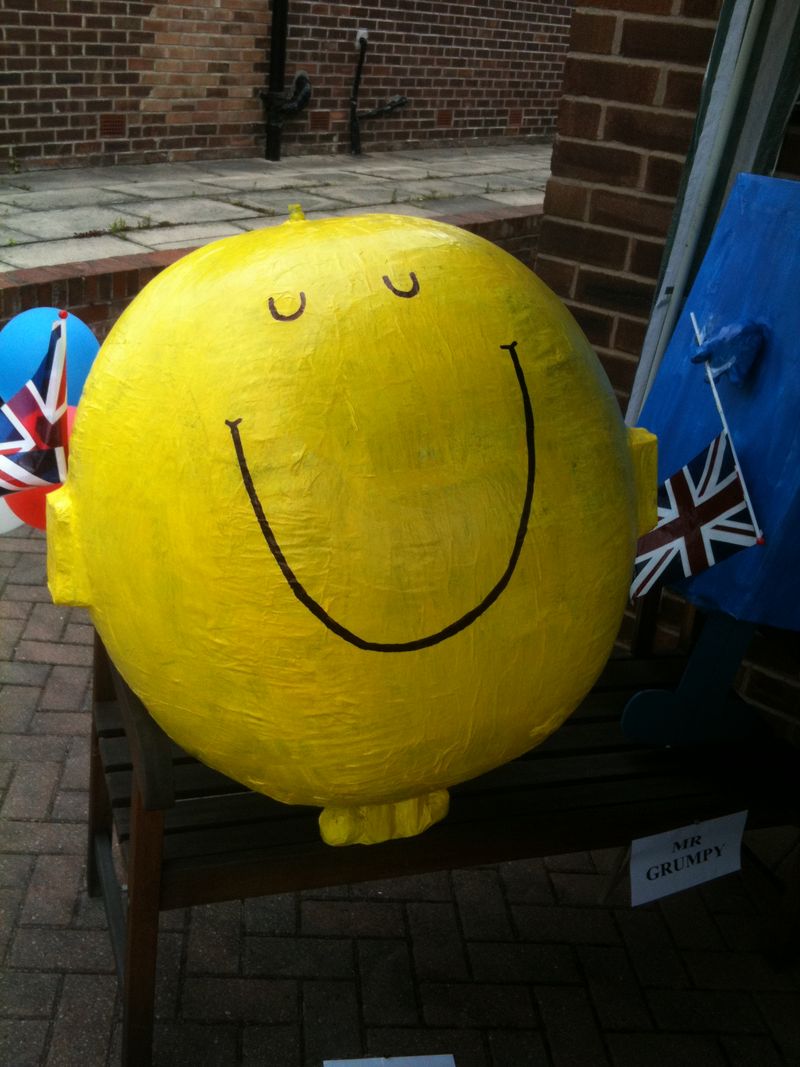
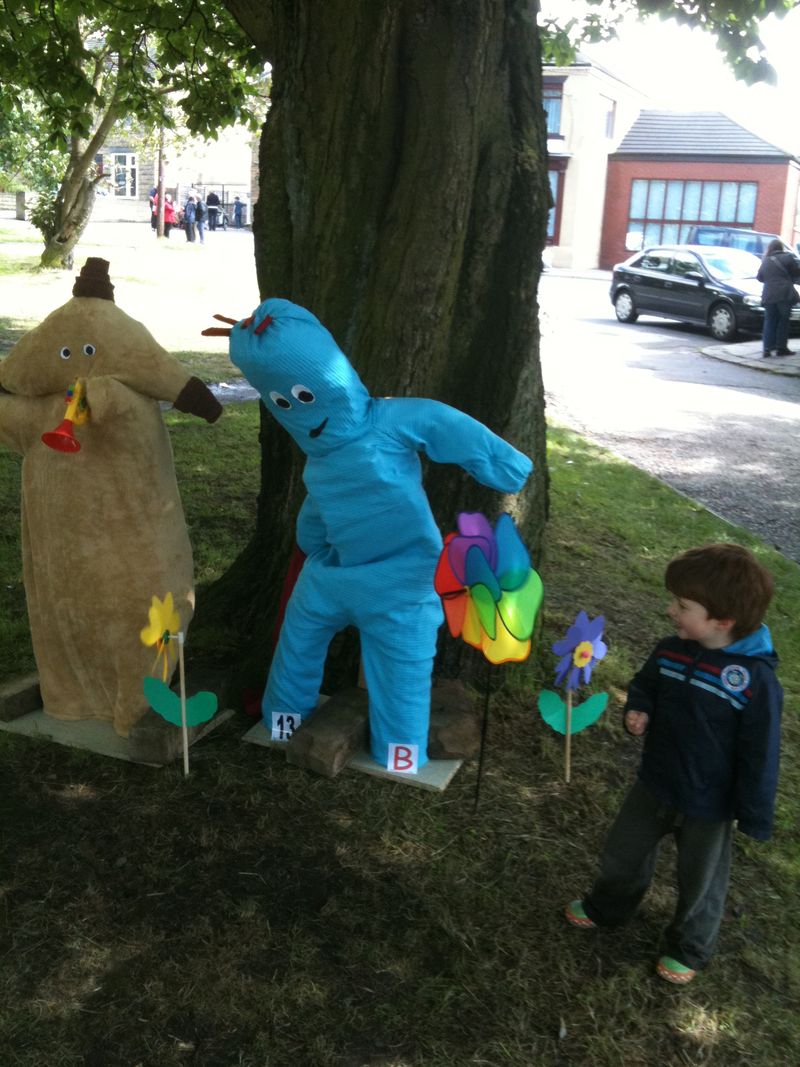
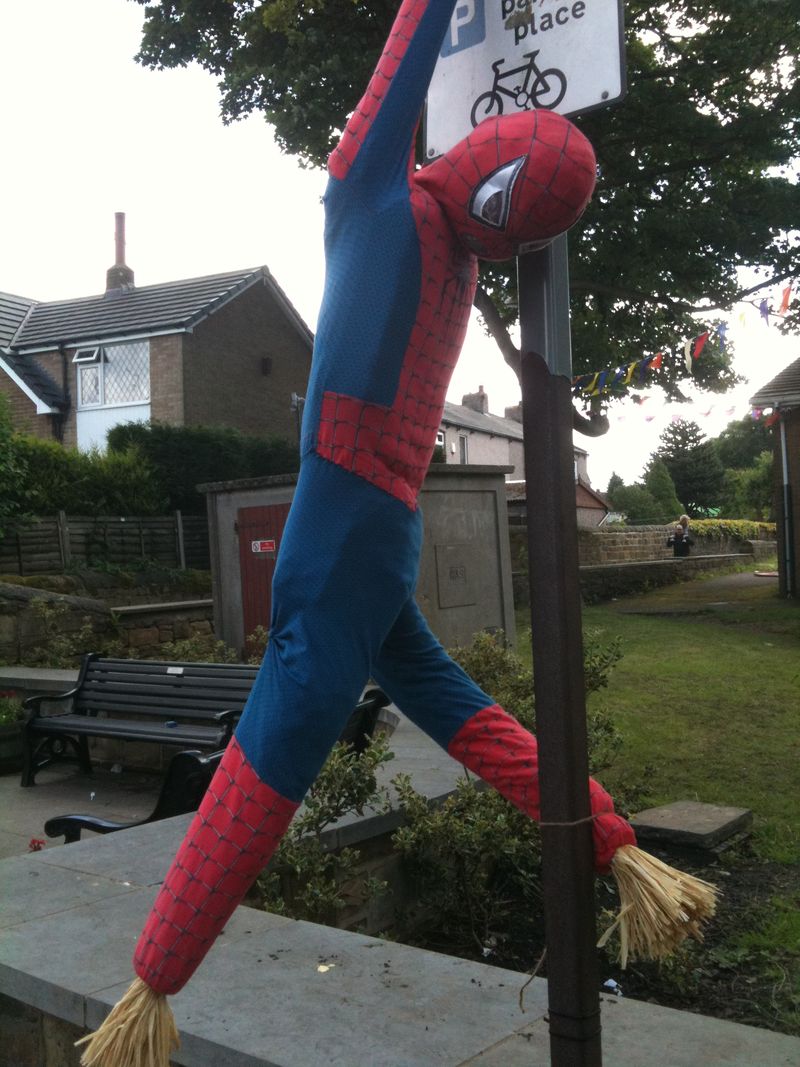
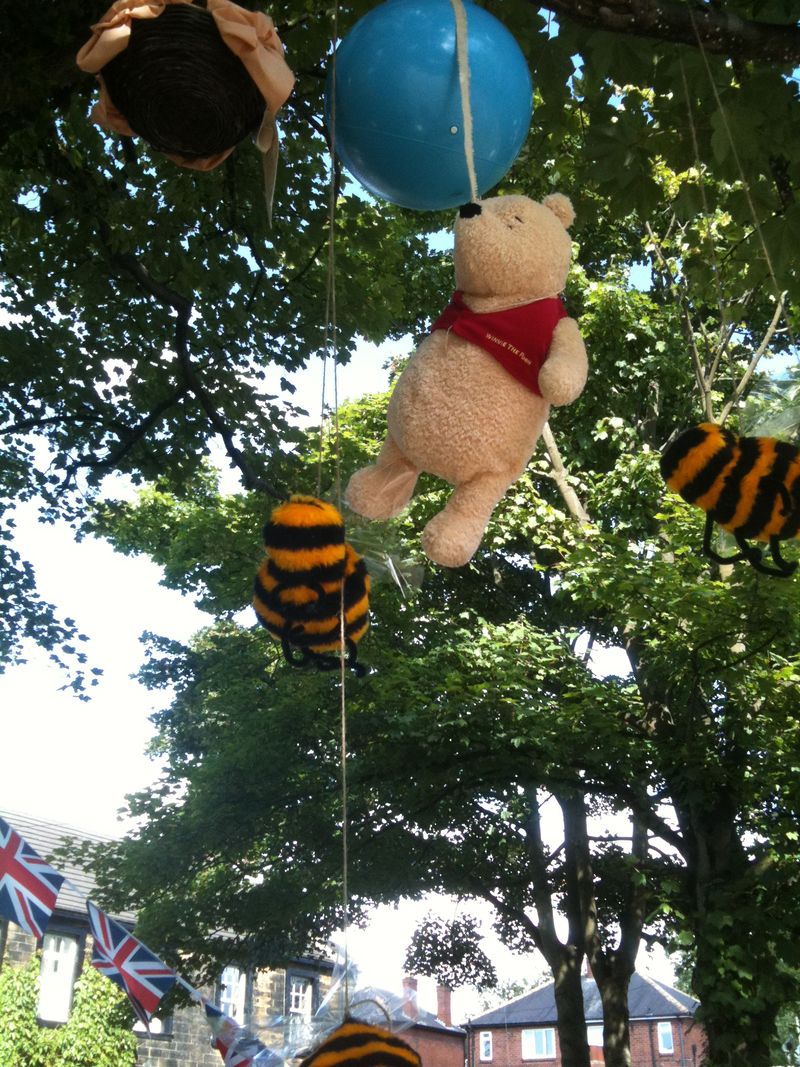
  • Wonderfully English, wonderfully bonkers. It's always nice when people in this country have an excuse to peer out from behind our social reserve.

    001

    004

    005

    007

    009

    011

    014