Eye-wateringly true…
Eye-wateringly true…
I would be surprised if you're not familiar with Rob Campbell and his blog. If you're not, where the hell have you been?
Anyway, he's decided to write one or two nice things about me. There's even a picture of the Smiths. He hates the Smiths. Loathes them, nearly as much as he hates Grey.
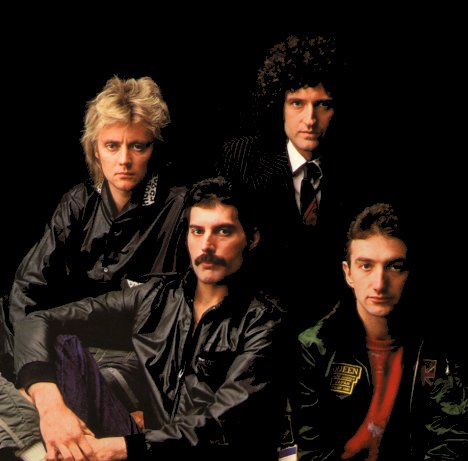
The only way I can respond in kind is to put this picture up. He loves them.
If, like me, you have one or two planning craft skills but are finding you need to catch up really fast on things with a bit more a digital focus (and let's face it, who isn't? Not least when planning for anything that's likely to involve the web, which is pretty much everythin these days, is as much about technology and execution way before a creative brief – if you bother with one), a good place to start is this post and the links to previous subjects.
I wouldn't get too hung up on knowing everything though, that's what collaboration's for.
You've probably heard of the Large Hadron Collider. If so, you might be a bit relieved at not having perished in a black hole, more than likely, you wonder what the point of it is, it doesn' even work.

Even in we never discover the Higgs Boson, or it doesn't teach us much more about what the universe is made of, it's still going to be really worthwhile, we just don't know what for yet.
All sorts of brilliant things happen when great minds collaborate on a grand scale. The last incarnation of a machine like this was CERN, where a group of scientists, including Tim Berners Lee, created the world wide web.
Most of the great leaps in science happend from accidents in the lab, or when someone was looking for something else.
Most of the big problems today are too big to be solved by one person, it needs collaboration.
Things happen when great minds get together, that's surely a good thing, you just don't always know what they will be.
And, to shamelessly try and link that to the day job, get in room with clever people as often as you can.Planning for campaigns is just too damned complex for one person…everyone's good at something, pool resources. Be ready to spot OTHER people's good ideas.
Anyway, funny post for a Friday afternoon, but there it is.
Have good 'un
This is brilliant. The launch of Dante's Inferno not only shows that you can get lots of attention, interest etc without spending a fortune, it also reminds me that careful noodling with data, playing with Jive and general social web massaging can't beat creating something interesting…and being prepared to admit when things are going a little wrong.
Once upon a time I wrote this post about finding a strategy and it ended up being some sort of greatest hit, in its own modest little way. It was part of an undertaking to provide access to some basics and processes. I thought it was important then and I still do.
It's all well and good if you have a planning director and stuff, that's not always the case. Plenty of people use blogs and stuff to help them get an idea of what life is like as a planner, and it's not all blogging and coffee. Most of it isn't existential thinking, it's rigour and process (or it should be).
But that side of this blog has tailed off somewhat in favour of post about tea, swimming and babies. Time to go back to it.
I looked at that strategy post and I still like it, but it doesn't give you enough of a process, or make the distinction between brand planning and communications/campaign planning. I can imagine someone reading that, getting a little excited about their next project and realising they haven't a clue where to start.
So this post focuses on communications/campaign planning. We're going to go through a process step by step. It's not the only way, but it's the most common. If you strip away the brilliant wrapping on some of the stuff we all admire, this is what planners will have gone through to get there. So we'll pepper this with examples.
So yes, this is what most planners spend most of their time doing (apart from pointless workshops but that's another post). In my view, they want to change brands and their architecture too often, when there's no need.
Put simply, if there's no brand ideain place or guide to how the brand behaves, what it stands for etc, you need to create one. This won't happen very often, and will be covered in another post. You may find when you're doing you're comms planning that actually, there is a big problem with how the brand is positioned. Rare, but it does happen. If that's the case, you need to look at the brand.
But mostly, you're interpreting the core brand idea, or 'smudge' in my book in a new way that will help the client achieve their objectives.Like these two examples….
Pepsi has always been about young people and youthful energy. The latest incarnation of that is a way to get them engaged with the brand – actually doing stuff with it rather than old style messaging. Their new interpretation is based around the observation that every generation wants to change the world and reacts against what has gone before. Which became 'refresh everything' – encouraging small personal acts every day to create a bottom up movement.Pepsi is too big to much besides 'brand involvement' stuff, but the every new idea is a new expression of youthful energy – that doesn't change. Just as Levis is always anti-establishment and youthful rebellion.
Sainsburys has always been a quality food hero. Try something New Idea was the latest expression of that, built ona rock hard objective to get existing customers to spend £1 pound extra with every visit, in order to add £1 billion of revenue over a set period of time. The brand didn't change, what to do with it just moved in to help the business do what it needed to do…including galvanising staff instore.
True brand architecture rarely changes, it's just that sometime you're looking for a long term communications idea to carry lots of smaller ideas.
Does that makes sense?
Actually, this is a post in itself, so more tomorrow. Into the process
So yes, following on from post 1 about women, hair and stuff…. hair really matters, it impacts on a woman's self esteem, confidence and probably her actual life chances.
Mostly, brands etc play on women's weakness to hope for miracles and give them unnatainable images and lifestyles to buy into. Some get the confidence thing and make a good fist of it. But there is lots more going on.
If you're in the 'great brands have a point of view on culture' camp (hope you are), this is where it gets interesting.
As we've said, a woman's looks have an instant effect on how others percieve her, not just physically, but her talents, personality, the lot. Basically, how a women chooses to look creates her actual identity in other's eyes.
Thanks to the feminist revolution etc, there are all sorts of freedoms for a woman that were not there 40 years ago. That's not just true of women, it's true of life too. Society is porous these days, there's more fluidity, more open boundaries. There's more to do and more to 'be'.
So it follows that the 'self' is more porous too. There is no set 'individual' like there used to be, rather there is a series of 'selves' as the person adapts to and explores the possibilities the modern world offers. People create their own identities and assert the right of self-authorship rather than being told who to be, or even being consistent.
The possibility of altering hair therefore presents opportunity for genuine transformation for a women. Doing more and being more – exploring all the elements of 'self' and what that self can do in the world.
The more freedom to change appearance means more freedom to change how you're percieved and create whatever identity you want.
If she wants to be taken seriously as a professional, she can create a no nonsense bob. The big hair suggests the vamp, the blond has more fun etc. The more possibility for hair, the more possibility for women. But………
All a woman is really doing is conforming to the stereotype that society sets her. It's good that she can now fulfill some those expectations, but they are other people's expectations none the less.
Let's dwell on this a second and look at it from another angle. How 'free' are women really? She may be doing the same job as a man, but she gets payed less for it. She may be going out to work, but she does the lions share of the housework, she is still the primary carer of the children. In short, she is expected to carry out multiple roles. Freedom seems to entail taking on more and she can't help herself.
While men's primary urges are all about things, winning and 'me', women can't help wanting to for, groups,nurture others, create safe environments for love ones, on top of all those personal desires and needs to do something for herself. She's conflicted.
But that complexity can be made to work for her. She fulfills many roles, she has many sides. So underneath that business suit there might be the vamp wanting to come out, the vamp probably wants to be taken a little seriously. In short, if she wants, she can play society at its own game and play with her own identity – projecting whatever identity she chooses, become whatever version of herself is required.
This is far more interesting and more true about what is going on. Rather than help women conform and do what it expected, there's an opportunity to have a conversation about their multiple roles, help them create themselves anew whenever they fancy, possibly even liberate them from the the expectations placed upon them. In short, hair as a source of endless transformation, the opportunity to play how others see you rather than fit in with what they want.
A a woman is never 100% anything. Never totally professional, never totally carefree, never just a Mum, never just a wife, never completely naughty or nice. There are shades, degrees, many sides to her. Hair and its accompaniments can enable her to reveal which sides she wants when she chooses.
Put another way, in a world that too often holds them back and expects them to accept passiveley what life brings,women who manipulate their identity to create opportunities can almost seem like rebels, resisting the narrow role life tries to place them in and in many ways, beating it at its own game. But…………
In the end, that is still acknowledging those stereotypes and reinforcing them. Much of the debates around modern feminism centre on beauty v brains. Is a woman using her looks to get what she wants liberated or merely reinforcing an age old system? Time to move beyond that.
Only when women are really free from stereotypical expectations of their appearance, their nature and their abilities can they really enjoy their looks. And simple enjoyment is really the point, and something that often gets missed in a froth of over thinking.
Look at fashion. The intellectuals can debate how much fashion enslaves women and makes them feel bad, the couture designers and Vogue can lose themselves in a world of self importance if they want. Both don't get it. Clothes and dressing up is fun, it's a deep pleasure, a release from the banality of the world.There is nothing to figure out about shoes…it's just fun, it's dressing up, it makes a woman feel good. It's escapism…
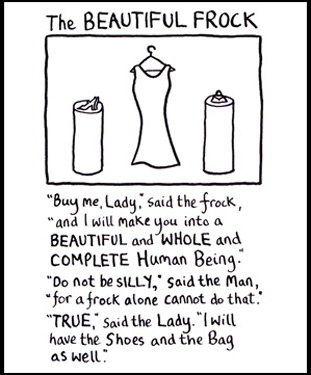
It's the same with make-up and, but hair is the most extreme example.
It's magical, both public and deeply personal, growing out of the body and (hopefully with the right products) moulded to personal desire. Fun, sensuous pleasure, an outlet for creativity. It can be changed in an instant.
I've read all sorts on women and beauty, on clothes etc. One true story cuts through all of that. It's the story of Belsen. If you can't be bothered to open the link, a genius put some lipstick into the supplies for newly liberated concentration camp interns at the end of the Second World War. The food gave them sustenance, but it was the lipstick that gave them their humanity. The lipstick made them a person, not a number in a way that nothing else could. These emaciated women, starving, barely human anymore, still had a driving desire to look pretty. It brought them back to themselves. That shows the basic, primal desire to look pretty. It doesn't require explanation, it's an end in itself. It brings joy.
Just as Christian Dior's 'New Look' liberated women from drab postwar austerity, reminding women to please themselves, so simply transforming hair brings uncomplicated joy. Yes, it's playing with identity, but the key work there is 'play'.
Taking pleasure in playing with appearance lies at the heart of this overlong post.
You'll have seen lots of stuff from brands that does the 'ta dah!' moment.
You'll have seen less of, but much better work about confidence and 'destiny'.
But there has not been enough about identity creation or the independence that brings.
I would want to go further than that, rather than reinforcing stereptypes, I'd like to see more conversations about taking simple pleasure in playing how you look. The positive lift that gives, the pleasure in escapism.
Sex and the City is brilliant. There,I've said it. At it's heart is four independent women who enjoy how they look. That's it. It's not complex, it just captures a certain feminine confidence, independence and the simple joy of dressing up.
This ad captures all that brilliantly. Women getting dressed up because it's fun and it makes them feel nice. It captures pleasing themselves, not pleasing a man or prescribed idea of what they should look like.
For a moment, when a women runs a ghd through her hair, when she steps out of a salon, or even when she's washing her hair for a big night out. She ceases to be a mother, an employee, a wife, girlfriend, daughter or whatever. For a moment she is none of those things. She is herself, but more alive than ever, taking simple, uncomplex pleasure in transforming her looks.
But it doesn't have to be simple. It isn't simple….and comes back to freedom.
The more control women gain over their lives, the more freedom they will have to truly enjoy their hair. Appearance, of which hair is a focal point, can become the simple pleasure it should be when appearance ceases to be such a core part of how a women can control her own destiny.
When women are evaluated on personality and achievements, it doesn't preclude them enjoying their looks, it frees them up to do that on their own terms. That feels like an interesting place to be in. Going beyond confidence and even identity creation to pleasing yourself a little more, doing things that make you happy and give you pleasure, rather than what it expected or what you should.
Freedom to do whatever you bloody well like.
If you're the 'brand out' kind of strategist, all of this is no use of course. It just gives you the context, the fun will be to find something credible for your brand to say about all this, but that's what makes it all fun doesn't it?
That's a bit about I know about women and their hair. Kind of perverse coming from a bald man with no fashion sense eh?
So this is the fourth working day of the new job. It's a relief to report there have been no hiccups like this (yet).
On the other hand,I was mortified to find there was not a single tea pot in the building. This was quickly rectified. I have a picture of my lovely new teapot, but my batteries have run out of power…you'll just have to picture its simple, white loveliness, steam gently rising from its spout.
To balance this, work has a chef. That's right, a professional cook. Every lunchtime there's a choice of four ridiculously good meals for lunch. For example, it was a toss up today between eggs florentine and tomato and red pepper soup.
In case you're wondering, I went for the soup, I need space for today's evening meal, which is my burgundy beef (cooked by me)…it's my sister's birthday and Mum's up to stay. Don't know why I'm telling you this, but there you go.
Perversely for an odd looking bald man with no dress sense, I've spent much of the last two years talking to women about their hair and how they feel about how they look. I've looked at umpteen pieces of communication from beauty brands. I guess you could say that if you need a planner to help think about how women look and feel about themselves, I may be of some use.
I've learned one or two things along the way, lots about hair, even more about women and culture.
Here's some of them…
Firstly, hair and beauty is the one of the most conventional markets in the world. Doesn't matter if you're on about hair care or hair styling tools, make-up or night serum, it's riddled with ta dah! moments. Basically most brands promise to change your life. There is no meekness here, everything is a miracle in a bottle. It says something when there's a big hoo hah over No 7 Protect and Perfect actually proven to have some effect!
They also pound women with images of perfection to live up to. Air bushed models with airbrushed personalities banging on about science and product function.
How can they manage to make the brilliant Beyonce so dull?
Even Dove is conventional. Don't get me wrong, brilliant strategy, but it's still a particular image or lifestyle to buy into.
Dove also misses the point, women like to look amazing. They're not fine as they are and they don't want to be. That's a contradiction of course, they're reject ing much of the imagery and 'grammar' of the industry, yet still want to be able to hope. What's going on?
Well….
First off, hair really matters. Historically, men have always been afraid of women and hair represents that more than most things. It signifies the power to beguile and draw a man from the true path. That's why most religions have an element of covering up women's hair. Of course there's the 'habit' and the Burkha, but their also the 'unveiling of the bride'…quite literally allowing a woman to show her hair to aman for the first time.
In short, women have power over men and hair is potent symbol of this.
But there's also a weird magical thing going on here. Hair grows out of the body. It's at once part of and external to you. It's also the one part of a female physicality she can alter at will, instantly.
Consequently, how a woman feels about her hair directly affects how she feels about herself. It can bring great pleasure but also great pain. That's why a women will spend a fortune on her hair and buy into all sorts of pseudo science and false promises….the secret hope that the promises might be true. Hair is just to too intrinsic to self belief, even self worth to not respond.
At this level, hair and stuff is not frivolous, it is important and significant. It always was, in Sampson and Delilah, the choice of hair to be removed was no accident. There's masses of cultural significance for this.
In todays western society, how a woman looks signifies her identity. We make instant assumption about a woman based on those first impressions of her appearance and hair is a focal point of this. Knowing her hair looks good provides confidence and self esteem because culture and society demands it to be thus.
That's why there have been some good exceptions to the 'miracle cure' rule. Stuff about self confidence and self belief.
Stuff like this.
Problem is, this is going to get conventional real quick (it was getting stale for ghd alone), and even this, although better, is only scratching the surface. There's a lot more going on here.
I didn't expect to write this much, but there you go. Needs another post. This will do for now.
 NORTHERN PLANNER