Here we go then, the first round of deciding if The Smiths are better than Boney M. Let me say here that The Kaiser decided the criteria for each round, and it’s no surprise he left out quality of lyrics, musical craftsmanship and live performances, but what do you expect?
Now he’s going to try to appeal to that bit in us that loves irony, the corner of your psyche that cannot resist doing the opposite of what common sense tells you is the right course. I urge you to resist. There’s too much lightweight culture around at the moment, from the X factor to Big Brother. From Girls Aloud to The Spice Girls reunion. Time to champion stuff with a bit more meat. A vote for Boney M is a vote for the superficial.
But the first round isn’t about music, it’s about record sleeve artwork. And the Smiths were responsible for some of the most consistently compelling and stylistically distinctive covers in history. As we’ll see with the music, every generation tends to kick back against the one that went before. The Smiths were no exception. Set against the fakery of the new romantics and the brash aggression of punk, the Smiths stood for ordinary bedroom rebels. Morrisey sang in his own voice, no fake American accent or punky over enunciation, and they sang songs about ordinary people and real private lives that were sometimes hard, always confusing.
Nearly every cover bears photography from film stills, the art world or cultural moments. The subjects may be eclectic, but it tied the band to a distinct aesthetic sensibility. It’s no accident that the collected imagery evokes the world of Shelagh Delaney, early Alan Bennett and Arthur Seaton. This was the world they had come from. The musical themes tended to come back to wanting more than the hard, drab life you live right now, the imagery reflects this.
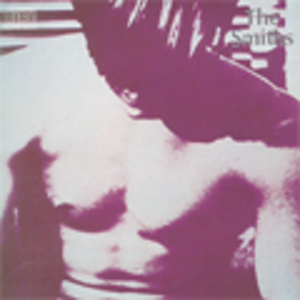
For the first album, Joe Dallesandro is on the cover, from Flesh. In the film he plays a bisexual hustler saving up for his wife’s abortion. It’s no accident is was a Warhol film – Warhol was arch passionate and with a sullen detachment that was very much like Morrisey.
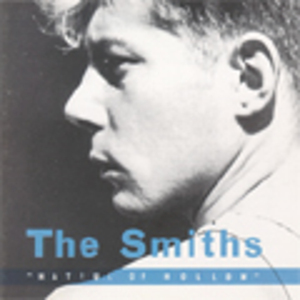
Hatful of Hollow features Jean Cocteau model. On the shoulder is a tattoo of an illustration from a Cocteau report on homophobia. There’s a clear message about society condemning anything out of the ordinary and standing up for social misfits.
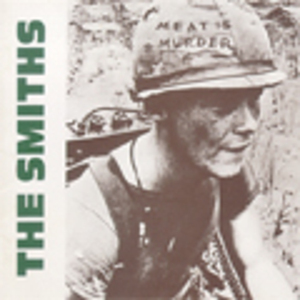
The cover for Meat is Murder is maybe their only political one. Lots of Smiths music was political, but only is a social context. I like the way this cover portrays animal rights as significant alongside war.
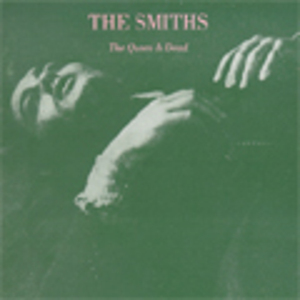
The Queen is Dead cover features Alain Delon in a brooding mix of passion and disinterestedness that is quintessential Smiths.
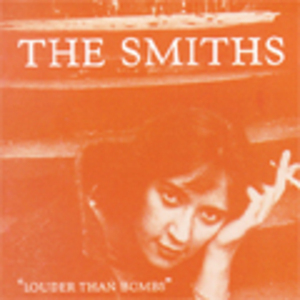
Louder than Bombs features Shelagh Delaney. Her writing was always about the British working class, though critical reception was mixed.
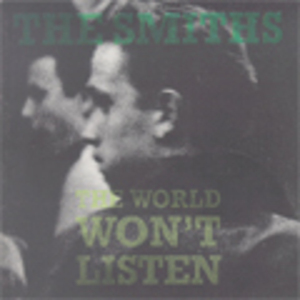
The World Won’t Listen features a teenager from Jurgen Vollmer’s Rock and Roll Times. A lone teenager staring into traffic. He looks at once graceful and alienated – such and emblem of the way the Smiths embraced rebellion and loneliness and themes.
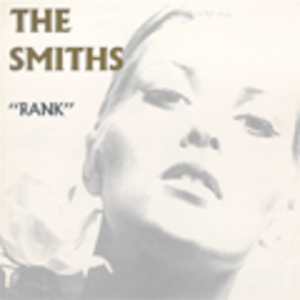
Rank featured Alexandra Bastedo, in her glory days as an alluring young woman flitting around Britain. It’s striking, confident and at odds with the obscure, conflicted, shadowed figures on the rest. Rank was a live album, and Smiths’ concerts were intense, euphoric affairs. Maybe that explains it.
There are many more covers of course, but you get the idea. I think they’re beautiful. They have a consistent style of course, and it was such a relief from the garish pop music covers of the time, or the minimal covers from Factory records. Every cover made the album feel alive with the the passions, rebellion and hope of the music, along with a sweeping wistfulness for days gone by. If any album covers make you FEEL the music before you hear it, it’s these.
You know what you need to do, do it here.


 NORTHERN PLANNER

Leave a reply to np Cancel reply