I grew up doing a lot of retail stuff. Three supermarkets, one purveyor of furniture, beds, white goods…I've done a bit.

Not all of it was pretty, but itwas never dull. Having a certain marketing controller call you a twat on the phone at 7pm for getting the wrong price in a script, only to have him send a crate of wine the next day when he realised he was reading the wrong one, cannot be termed as boring.
You learned fast, you had to. You learned by doing..at one point me and another account manager we're opening 7 new supermarket stores, running the kind of TV shoot that needs four helicopters and making sure around 200 press ads went out every single week without a typo or wrong price. The account director was off on paternity leave at the time.

Despite the 'down and dirty' reputation of retail (come on, admit it, you think retail's easy. It's all reactionary, no thinking, just do what you're ordered week in, week out), I think a background in it makes a planner, or anyone else in agency land for that matter, better placed for the future than most.
In retail, you're judged on nothing but results. Not just long term brand measures, quarterly tracking dips and such, you're judged week in, week out on sales and footfall, at the granular level of product lines, regions, even singular product.
There is no where to hide when the results don't come it, you have to be ready for everything. Someone very wise said that the future is about 'always being in beta', and he's damned right. More and more, brands will be about experience, interaction and 'doing'.
But planning for retail has always been like. The US Army has a saying that no plan survives contact with the enemy, well very few retail plans survive the bank holiday footfall figures.
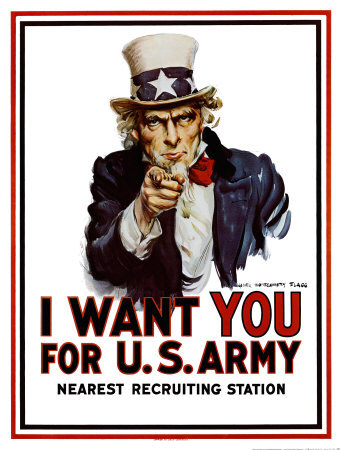
In short, you have to make people DO stuff, not just think or feel.
Bad retailers just react, constantly lurching this way and that, with no long term vision or plan. Woolworths fell apart in my view because they forgot what they existed for. But good retailers have a good, flexible vision, a role in life, they know what they want to do for their customers beyond sell them enough to hit their targets.
But they realise that they will be buffeted by more variables than other business model. Economic shocks hit them first of course, minute changes in buying culture, price sensitivity hit them first. But so does the weather too. They're constantly engaged with a version of 'game theory' with their competitors.
They have to think far beyond simply weaving emotional or cultural meaning into a product. In a world where brands are like a basketball – all the bumps on a brand that help their customers grip them, retailers are exposed more that others. Own label, POP, checkouts, staff culture, car parks, e-commerce, customer services, delivery, vans…..all of it matters, there's far more to get right.
Right now, agencies, their planners and their brands are getting used to having much more flexible ideas that touch different audiences in different ways. They're getting used to terrifying viral nature of the web and reacting quicker, trying lots of little things more often and learning by doing. They're used to having a great vision and always experimenting and learning, moving, chopping and changing within that vision all the time.
That's what planning for retail has always been about. It's about Sainsbury's 'Try something new today' working for a home made gourmet meal and being able to say, "Feed your family for a fiver". It's about Ikea being able to make us "Chuck out our chintz" and also make "Home the most important place in the world" when things are scary.
So that's why someone who's sweated blood (you always do) over retail is best placed for a world where you need both a big vision and the skills to react, develop, change and act very, very quickly.That's what they were already doing.


Leave a Reply