Righto. So, if your thinking of doing this project, you're probably wanting more flesh around the process I want you to go through. So in the next week, we'll be looking at some case studies.
First up is ghd, a electrical hair styling brand that's passionately loved in the UK and growing worldwide. It went from $0 to $100 million in turnover in just seven years.
So, how did they do it? They had a far superior product of course. Back in 2000, women were pretty much stuck with what they has when it came to hair, apart from the bi-monthly cut, or getting it styled by a pro. Then ghd launched a hair straightener that instantly made ANY woman's hair look amazing. But that's not the whole story, no sir. Ever since, competitors like Braun and Babyliss launched cheaper, copycoat versions that, to be honest, were just as good. But ghd maintained ridiculous levels of market share and price premium- about 1/3 more expensive than a comparable product. Millions of women still spend far more on ghd than something because they just love it and believe it's better – irrationally so.
Looking at the process, this is what they did.
Map the category's cultural orthodoxy – identikit identity
When the immediate category was investigated, i was all 'technology' Endless rational benefits claiming why one product was better than the other. Straight away, the opportunity for something deeper and more ideological was there. The category was replete with massive, predictable multi nationals all doing the same stuff. Glassy eyed mannequin models with no personality and unattainable looks all saying 'be like me' – in all corners of hair beauty and, to be honest, beauty full stop (this was before Dove).
Unwittingly, the wider category was part of a wider cultural symptom where society tries pigeonhole women as much as possible. Women are judges by their looks and are assigned traits and abilities accordingly. A serious businesswoman needs a more severe haircut and trouser suit, big hair denotes the sexually voracious 'slut', blonds are ditzy but have more fun, redheads are trouble – hot tempered and unpredictable. Society still tells women how to look and who to be, limiting their opportunities, encouraging their inhibitions and stopping explorations of their own identity.
The social Disruption – chameleon Generation Y Women
Investigating challenges to this in culture unearthed rich territory. Generation Y women, the primary audience totally rejected any expectations of how they should look, or who they should be. They were out there enjoying countless opportunities to experiment with their identities – through how they chose to look and what they chose to do. Hair was the quickest and most potent way to try on new looks and therefore try on a new identity for a bit, but it was part of a much wider game that included fashion, leisure pursuits and even their career. Generation Y women think the world is there for the taking, they're not happy settling for second best, they're out there experimenting, trying what they like, discarding what they don't. That goes for hairstyles, clothes, men, hobbies and everything in between, adjusting their looks, behaviour and experience at will as they go along.
This was ghd's breakthrough. Rather than follow the category culture that said to women, "be like how others expect' ghd said, "be who the hell you like, do what the hell you like". And it was rooted in how women related to the product – because it transformed their expectations of how they could look, it fundamentally altered who they thought they could be. The tools were really magic wands, where every day was an opportunity to create yourself anew.
Undearth the ideological opportunity – 'independent women'
The opportunity was clear- ghd would embrace the growing independence of modern Generation Y Women. It would champion women pushing their own internal limits and inhibitions, exploring all the possibilities of who they could be.
Right at the heart were women who dreamed of doing all the things they saw modern, independent women doing, but the realities of their own self confidence, not to mention their own circumstances made this seem nothing more than pipe dream. Their are limits to the freedoms afforded to a mother of two covered in baby sick every morning. But ghd made them feel a little more like them – for the minute they put that wand over their hair, they were no longer the 'mother' 'wife' employee' 'daughter' are anything like that, they were simply 'me' with all sorts of dreams, hopes and desires. ghd let them explore their alter ego. And just because the reality was the woman in the business suit with the red hot plunge bra underneath, or the Mum who got to glam up and go out with the girls on a raucus night out once a month, it was no less powerful or meaningful that this:
This:
Or this:
Or this:
In fact, it was MORE powerful.
Get the appropriate source material -reverance of the craft
The bi-monthly visit to the hairdresser is moment of joy, hope and even fear for every woman. She culd emerge as the person she's always dreamed of, or have her self confidence smashed. Hairdressers are purveyors of dreams. They hold the essence of how a woman feels about herself in their hands. They are not merely vain, arrogant fashionistas, they are artists who have more of an impact on a woman's life than a Dali or Hurst ever will.
The same can be said for fashion designers. Yes, they're up their own arses, but they are able to sprinkle magic dust in the lived of ordinary women around the world. Fashion is release from the humdrum banality of the world, it's a way to become someone else.
So ghd fully embraced fully embraced these transformation artists.
Apply Cultural tactics
So when ghd launched, they limited distribution to quality hair salons and built a realtionship with the professionals that worked there, developing exclusive training courses for juniors and pro's alike, along with their own awards. They did an annual 'tour' that was a bonkers celebration of the intersection between hair and fashion. And the love their built from the pro's passed to the woman who went to the salons.
At the same time, ghd started doing styling for fashion shows, while stealing the tone and style cues from the industry, the same mystique.
And the brand went 'viral'. Women talked about the performance, but the real voodoo came from the utter credibility as a part of salon and fashion culture. And like all scarce resources, women started coming into salon demanding ghd. The myth became reality.
Advertising only poured petrol on flames that we're already there. The style was borrowed from the fashion industry while ads never talked about product superiority, they focused on showing women there was no limit to who she could be. Every time she used ghdm it was statement of independence and self determination for every women, no matter who she was.
She could play with her looks and her identity
She could be ambigous, what was happing outside wasn't exactly what was happening inside:
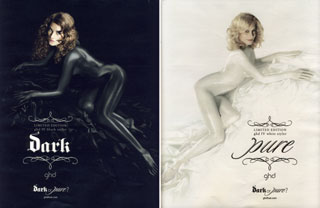
She need not be afraid to pursue the darker side of her desires:
And no one wrote her story but her..
I always thought they could have done a print campaign like this:
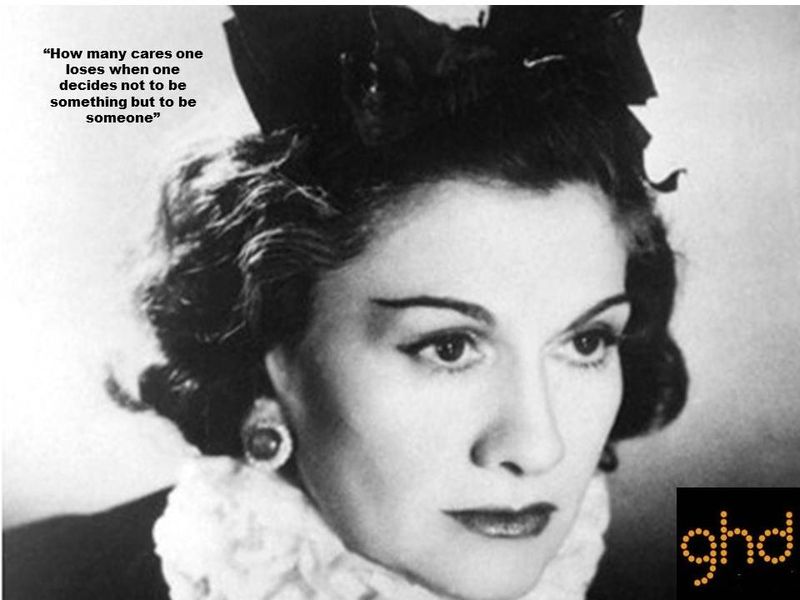
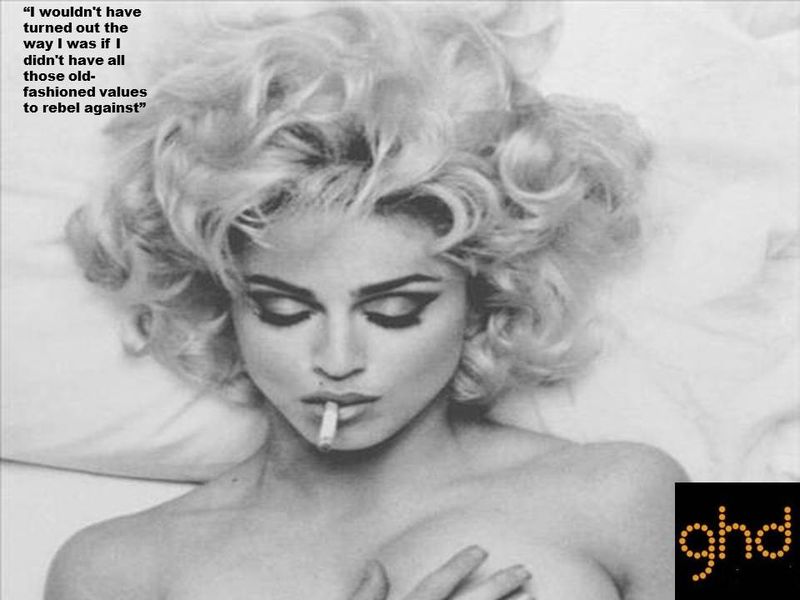

Craft the cultural strategy
ghd never wrote a manifesto, everyone lived and breathed it. But if they had, it might have gone something like this:
In a world that all too often holds women back and expects them to passively accept whatever life brings, ghd celebrates independent women, free to embrace the infinite variety and possibility the modern world offers
We champion the transformational power and artistry of fashion and hairdressing, their incredible power to transform women inside and out, resetting their internal limits and inhibitions, enabling them to resist the narrow roles in which others would place them and choose their own fate
Like the women we champion, we're sexy, confident, knowing and utterly independent. You can't second guess us and you can't tell us what to do. We won't necessarily tell you what we want, but you can be sure we're going to get it. We have secret desires you haven't even dreamed of and we're not afraid to pursue them
Hope this helps


 NORTHERN PLANNER
Leave a reply to Thomas Wagner Cancel reply