For the next tutorial/case study thing we're going to look at Levis over two phases.
First is the famous BBH work from the 80's and 90's. You can read a fuller account in this book (where I'm stealing from).
Back in the 1980's Levis was doing so badly in Europe they were thinking of pulling out. They persevered and hired BBH led by the Saint Hegarty and Saint Bogle. They quickly identified that the problem was a cultural one – Levis was once a symbol of rebellious, American youth culture – the James Deans and Brando's – but had lost that meaning, amidst a deeper problem, British youth rejected American (Reagan) culture in favour of home grown icons. So how could they reclaim Levi's cultural space?
First, here's a quick commercial break. When you find a one loved brand on its arse, don't do what so many so called gurus try and do, completely reinvent it, usually, the problem is that it's lost the meaning and territory it once had. Your job is to nearly always bring new relevance and meaning to what was there before they lost their way.
Anyway…the first attempt, led by the usual useless advice from a trends expert, leadingtoa campaign that dramatised a product benefit – durability. It didn't work.
They got somewhere when they tapped into Levi's heyday as a 1960's counter culture icon. A symbol of youth rebellion that Europeans felt nostalgic about, in contrast to how they despised conservative Reagan America of the 80's. So they thought they would win back their cultural space as a the ultimate symbol of youth rebellion, tapping into the music and iconography of those days.
Now, if you talk to most people about why Levi's succeeded back then, this is where the story ends.
But it goes far deeper. The first commercial was an incredible success:
But what really hit home was the rejection of mass market 'rebel' cliches. The James Dean type is always the dangerous bad boy, able to have any girl he wants. But this was the rebel posturing of the target audience's parents, not the 80's kids themselves. What worked was a provocative subverting of these images. All the cultural cues are authentic, but the portrayal was anything but.
The ad objectified the male body. It was shocking, provocative, perhaps even homoerotic. It challenged the stereotypical hero who was rugged and didn't care about his looks. Kamen was beautiful.
It mocked prudery, it laughed at American conservatism and cliches, while at the same time dramatising Levi's heritage.
The idea wasn't original, it was steeped in a growing pattern in fashion culture. Bruce Webber's photography a prime example:
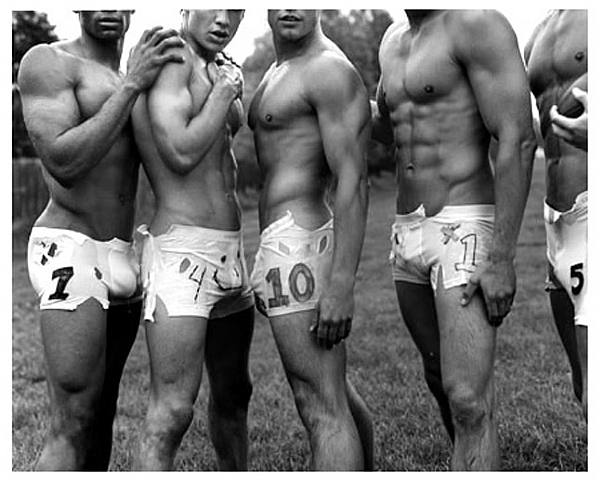
You have your category orthodoxy:
Basically, the shiny, hairgel automatons from every bad music video from the era.
You had a powerful cultural tension to address – every youth generation wants symbols of rebellion, Levi's provocatively subverted male, rebellious codes, providing a powerful cultural expression of gender, masculinity and , to be honest, defiance of sexual prudery.
Lots of source material, including Bruce Weber's work.
Interestingly, work that followed wasn't as successful because they only did the '60's' rebellion thing, an left out the male objectification:
They got their mojo back with:
And
By now they realised it wasn't the setting that was working, it was the depiction of the beautiful, sexual, masculine boy rebel. Which freed them up to visit other settings:
And even:
Now fast forward to the end of noughties. You're in the US, Levi's needs relevance there, as it's lost relevance with American youth (I have no data, no facts by the way, this is all interpretation).
They needed to restage Levi's pioneering, youthful rebellion spirit. Worse, young people question everything. You're in Web 2.0 world where they insist in being involved and participating.
Now map the category orthodoxy for mass market jeans and you find it replete with symbols of heroic young people, lots of it set in the rugged old country. Being individual, being original.
WK, I imagine, looked at the culture and found a frustrated youth generation feeling pretty frustrated. The economy shattered, jobs scarce, a country divided in two, with mad Tea Part activists actually getting elected. The country of George Bush, bland MTV and the promise of the American dream and the declaration of independence stolen from them. The generations before has scorched the earth, leaving a mess for someone else to clear up, oil running out, the environment tottering. A mess.
Big cultural tension to tap into – all that frustration and no collective voice in a country dominated by partisan media.
So they restaged Levi's pioneering, rebellious spirit with a new ideology - providing a collective voice for disenchanted youth to not only vent their frustration, but do something positive about it. GO FORTH. From individualism to collective action.
The source material, I suppose was obvious, once they had that hook….the hallowed US declaration of independence -the promise made to all Americans.
The first tactic, provide something for young people to coalesce around, a group statement of intent – collaboratively rewriting the Declaration itself. But there was also the imagery of the men of action, the original pioneer, exemplified in the hallowed work of Walt Whitman and his optimism for the potential that America represented.
The next stage was about taking action. Providing a multi platform story everyone could participate within. The source material, the modern iteration of the hardworking American labourer, the towns who want to work, they don't want charity, they don't want handouts, they just want the chance to support themselves. Etched deep into the American psyche, this would be a powerful cultural innovation.
This was the campaign:
Read more about it here. In short, Levis' focused it's entire campaign on Braddock, Pensylvania, contributing to, and documenting, the story of a town on it's knees, trying to turn itself around.
Overtly, Levi's was selling it's 'Workwear' range, in reality, that was just a bit more relevance to what they were doing, just as Sta Prest provided a means of narrative for more reinvention in the late 90's with Flat Eric.
You can imagine the cultural strategy set out like this:
America has lost its way because it has forgotten the pioneering spirit that made it great. America was once a promise of equal opportunity and reward for anyone who worked hard, no matter who they were, now the few profit at the expense of the many, hope has been hijacked by corporate Americna. Today's youth are the future, it's down to them to remake The American Dream. We will inspire them to rediscover the pionnering spirit that embodies both Levis and the best of what it is to be American.To rebuild our country their way. Enough sitting their doing nothing, enough frustration with no action. We will give them a collective voice, and inspire collective action. They are the new pioneers. We will inspire them to Go Forth.


 NORTHERN PLANNER
Leave a reply to Northern Cancel reply