Hope the case studies have been useful so far. After taking another look, one thing we're a bit light on is more 'meat' around Applying Cultural Tactics. What follows is a list of tactics identified by Holt and Cameron that tend to work. My recommendation would be to get to the point where you've scoped out what ideological opportunity you will pursue, you've gathered your Source Material and then review these six key tactics and see what is the most promising fit, what is right for your particular cultural innovation and the dynamics of the market you're in.
For the task you're doing, I'd also be looking for the biggest return for the least amount of money.
1. Provoke a fight
This is a great example from Howies.
Another is comes from Ben and Jerry's was young. They found that Pillsbury, owner of Haagen Dazs was threatening to pull it's account from big retailers is they didn't stop selling Ben and Jerry's. So they ran a campaign based on PR and flyers called, 'What's Doughboy Afraid Off?" (Doughboy was Pillsbury's corporate icon). It pitted Little 'back to the land' Ben and Jerry's against the huge, mechanised behemoth. Basically, it lit the spark of social activism under counter culture wanabes and it worked. Read more here.

Way back when, Apple had a direct pop at IBM and other computer manufacturers by positioning them all with unfeeling, cold 'Big Brother', with Apple as the creative, revolutionary alternative.
2. Mythologise the company
Build a myth around the brand's origins and vision, something powerful that your audience instantly relates to. Your source material is critical here.
Jack Daniels consistently mythologisesit's old school distillery techniques – championing self sufficient, free frontiersmen in a world of identikit, soft men who've sold out to 'the man' toeing the line in big corporations. Every piece of communication communicates that what happens now at HQ is pretty much what happened when Jack was around.
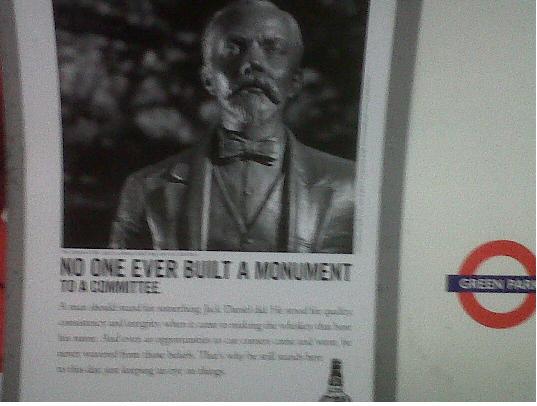
3. Provide an outlet for reactionary ideology
Harley Davidson's success is built out of the the classic American man of action.That was the 50's and 60's bad boy, but developed in the 1980's to be the 'man of action' upholding the law by whatever means necessary, in a slack, soft and morally bankrupt world. I was about a special community for men who were the last wolves in a world of sheep…and still is. At the heart is Harley's own club.
Or there is Lambrini in the UK, making the most of a small budget to champion young women going and having fun despite the prude media and society at large that hates them drinking, not growing up and basically having fun like men have been allowed to for years. It's a downmarket drink for what society thinks are downmarket girls – Lambrini, like the girls is defiantly proud and doesn't care what anyone thinks.
3 Cultural trickle down
You might have the opportunity to make something the audience would like to do, but don't the time, budget or perhaps courage or sophistication. You can make it accessible, making something for connoisseurs more accessible for everyone. Even if they don't actually participate in the real thing, you can provide a more mass market, novice friendly approximation, or just let them feel like they're part of it.
Starbucks made the obscure world of authentic barista coffee accessible to wanabe cosmopolitan people around the world for example.
Lurpak brings the world of the authentic foodie to more people who can't, or won't cook well.
Original Source in the UK brings the outdoorsy, extreme sports lifestyle to those who probably only ride a mountain bike to their local paper shop.
5. Finally, there's playing judo with the big boy's strength
It's a variation on 'provoking a fight' , but if you not only create a provocative attack on a huge category leader, that mobilises your audience, but also directly turn their biggest strength into a weakness, you'll have something very powerful indeed.
Dove turned the intense hope derived from the incredible models and beautiful shoots from the the industry big boys into a weakness with viral videos like this:
Fuse TV parodies the fake, beautiful lifestyle MTV had come to epimtomise with culture jamming tactics like the Fuse Beach House
This is MTV's version.
Irn Bru in the 80's did something similar with the shiny version of teenage life Coke was becoming synonymous with:
Coke version
I'd argue that Old Spice's long game is a clever one, destabilising Lynx/Axe' position as the fragrance that gives young guys confidence in the mating game, by becoming the brand that get's you experience, the one thing guys really need for sexual success. Like the man says, "If you need it, you don't have it". "If you've never had any of it, people just seem to know" (not to mention bringing relevance to it's mocked 1970's hairy chested masculine heritage)
This continues that theme, albeit in a very different form.
Hope that helps.
Now this nearly concludes case studies, tutorials etc. One final exercise next week. I'm going to show what I would do with a new sports/energy drink. May as well put my money where my mouth is.


 NORTHERN PLANNER
Leave a reply to TOTOinTrouble Cancel reply