So Happy New Year and stuff. You're probably bleary eyed and already facing a massive inbox and intray. That's the thing about New Years, by and large, they are not too different from old years. It's just part of the slow crawl of things gradually getting better.
Of course, another feature of this point in the calendar is the ubiquity of predictions telling us what to expect in the coming months. It's a shame they're all so useless.
Mostly this is because they're thinly disguised creds pieces. Seriously, look at the digital agencies looking to build social media clients and I bet you'll find some pressing things every client needs to do in social media. Give a man a hammer and all he sees is a nail (Mark Twain).
Also, we're rubbish at predicting the future because firstly, we base that on what we know now. Go back to 2004 ish and planning decks we're full of how brands need to get good at blogging because we all blogged and no one had a clue Facebook would get so big. Secondly, marketing is a branch of economics, both od which are based on thousands, no millions, of complex interaction between illogical, unpredictable human beings. We really don't know what will happen next.
Of course, some are right, because they're based on the obvious. People are spending less because they're worried about the future for example. We're enjoying and looking for bigger things to come together around because of this (X FActor, Strictly etc, but I argue we've always wanted this, the programmers just forgot. Otherwise how do you explain the incredible success big family cinema like Lord of the Rings and Harry Potter which was pre-recession? Apart from big stories different ages could enjoy together?). They just add ridiculous names to it. Seriously, we all know that more people's lives are lived in bigger cities and this will affect all sorts of habits. Some bright spark has decided to call this Citysumers. Somehow, fusing two words into one counts as insight. But these predictions are not much use because it's stuff other brands know about and are doing something about. The trick is to provide a different answer.
I always use this Chrysler example, sorry. But that's because it doesn't just join into some kind of austerity narrative like the rest which might lead to cutting price, justifying price premium or agreeing how bad stuff is. It provides a relevant answer – hard work, which feels like a new take on luxury, rather than joining in with the 'trends' like 'conspicuous experience' etc.
It doesn't matter if it's at the level of brand commication, product development or long term business planning, there is no point following, while it's suicidal to stay still. As Paul Ormerod persuasively argues in this book,
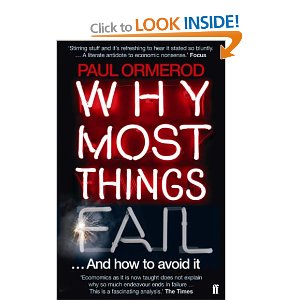
the only was to survive long term is to continuously innovate. Provide new answers.


 NORTHERN PLANNER
Leave a reply to Rob Cancel reply