One of the most hallowed pieces of recieved wisdom in brand thinking is the iron rule of differentiation.
Nearly every marketing textbook tells is that brands need to differentiate or die. Kotler, Riess and Trout, they're all at it.
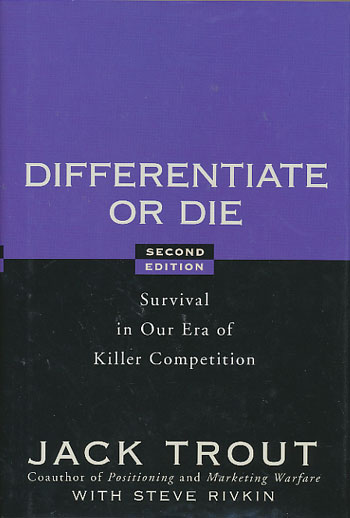
So it's surprising then, that most brand communication in any category looks and feels exactly the same. Then again, when one takes into account the influence of snake oil salesmen, also known as brand consultants, it's a foregone conclusion.

They get paid thousands, sometimes hundreds of thousands, to come up with a 'differentiated' brand – a new 'position', 'proposition', 'essence' or promise, plus the squillion other boxes in their brand pyramids, onions, wheels and God knows what other wierd and wonderful shapes.
Basically, they come up with a new 'strapline', mess around with colours and create constricting rules and guidelines over tone of voice, values and stuff that squeeze out any chance of a good idea for the poor bastards that have to execute any brand communication.
The only 'differentiation' is a strapline that, in the real world, normal human beings don't care about that much, with some sort if tiny variation in 'positioning' and product benefit, that escapes everyone apart from deluded marketing departments that have signed all this stuff off.
Worse, it gives them the comfort of 'being different' within the category, while actually perpetuating the creation of 'risk free' brand assetts- packaging, websites, Facebook pages, ads, POS etc - that look and feel just like everybody else. Expensive clones with beautifully pointless little phrases no one really pays any attention to.
In their heads, their brands are different, but in the hearts and minds of customers, they're all the same, when attention is actually the only battleground that matters, which we'll come to in a minute.
But what about 'Just Do It'? you ask. What about 'Vorsprung Durch Technique'? What about 'The Future's Bright? You have a point, but that point isn't about 'differenentiation' it's about distinctiveness. Which makes the battle for differentiation an even more evil crime against marketing- customers don't really care.
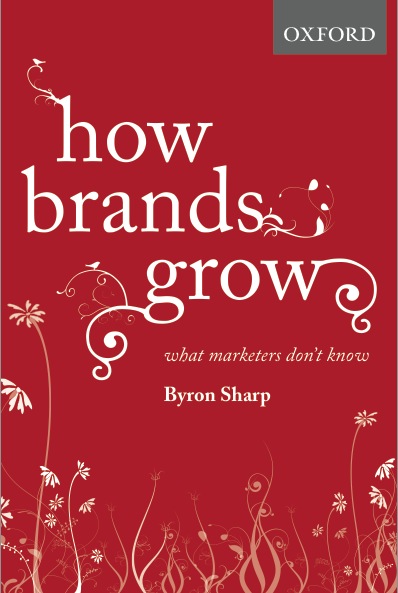
Once again, I return to Byron Sharp's 'How Brands Grow' (with reams of data to prove it) to find that while differentiation does exist in mind customers, it's weak and, amazingly doesn't vary that much between different brands (a minority of Coke buyers think it's different in the same way that a minority of Pepsi buyers think Pepsi is different)
Even worse (and a poke in the eye for most brand tracking) if you ask the same sample, rather than the all too common, new sample, the same questions about a brand three months later, they're likely to say something different. Because they neither care, nor think about brands very much. Certainly not enough to pick up the subtlety of a strapline or a different Pantone version of red.
So then, differentiation doesn't actually matter all that much anyway to customers. It is marketing people talking to themselves. It's brand gurus getting very rich for doing not much, validated by bad research that asks the wrong questions.
As is often forgotten, real people don't want to think about choices in categories that much, they just want quick and easy signposts for what to buy.
To not have to think.
When the source of brand growth is light buyers, who don't care about brands, brands need to get noticed. As mentioned before, the battle is getting noticed at all.
As Sharp says, "Brands should build distinctive assets that build the visibility of the brand…make it easier for consumers to notice, recognise, recall and (most importantly) buy the brand".
That's why creative, 'Fame' campaigns are proven to be the most effective.
So then, we come to the paradox of 'differentiation', it's most common outcome is making brands look the same. When the only battle worth fighting for is the struggle for attention amongt people who don't really care. Creating legions of marketers comfortably numb the much harder, but only sure route to growth.
To mangle Karl Marx, "Differentiation is the opiom of the marketing professional".
So coming back to the straplines that have mattered.
We don't remember and respond to them because they clearly state out the 'brand vision' or anything like that.
We remember them because they're utterly distinctive. Not just within the category, but within wider culture.
Because they're powerful, provacative invitations.
Because they're powerful engines for communications ideas, not barriers, or even worse, vampires that suck the lifeblood out of them.
Because they're a launchpad for startling, distinctive brand communcations, that are coherent, not the endlessly repeated proposition constantly hurled at people who care less and less.
They empower marketers and their suppliers to deal with business issues, rather than tying one hand behind their back.
Just Do It was simply totally distinctive in the sports market, and was the canvas for even more unique advertising and stuff.
Orange was a name utterly unlike anything else at the time, as was 'The Future's Bright'. You didn't have to get it was about, I bet few did., It was noticed and made us feel different.
Whereas with, Vorsprung Durch Technique, no one even knew what it meant! Which is sort if the point.
So, if you're lucky enough to get a genuine brand development brief, or unfortunate enough to be stuck with the useless brand consultancy output you have to execute somehow. Your job is to convince conservative individuals, living by old and, frankly wrong rules of differentation, that they can 'tick the different box'. Whereas, in reality, you're striving for distinctivenes.
A strapline that's a provacative invitation, or statement of intent- if you even bother with one.
Brand imagery, tone, colours sounds and and concepts that are at once ownable and incogruous to the rest of the category. That once add to and stand out from culture.
In other words, less 'Oh that's clear'. More, "My word!"
A final word.
A new brand idea is not the same as a new brand.
If you're dealing with a brand with some any level of familiarity, it's commercial madness to throw it all out try to start a new story in their heads. It's so hard to build up any sort of profile in the heads of customers, that once you have it, it will short circuit long term growth rather thab hinder it.
Rather, you should be looking for a 'reboot'. Work with what you have. Find out what in the heads of customers you have and those you want, and repurpose it for what is right for business aims.
The truth of Old Spice is neither this.
Nor this.
It's both.
What is often overlooked that the new stuff doesn't work against the deeply ingrained impression of slightly old fashioned masculinity. It brilliantly repurposes it.
Just as Sainsburys is built out of 'foodiness'.
Then.
Now.
That's the point of brands, long term, loose memory structures that are constantly refeshed and updated, in line with shifting market conditions, organisational objectives and culture and customers at large.
Not 'lines' not 'propositions'. A loose smudge of an impression in customers minds that's more about feeling and character, not a defined, ring fenced 'position'.
That is enriched and refreshed over time.
That, like a shark, constantly moves forward or die, but is never anything but a shark.
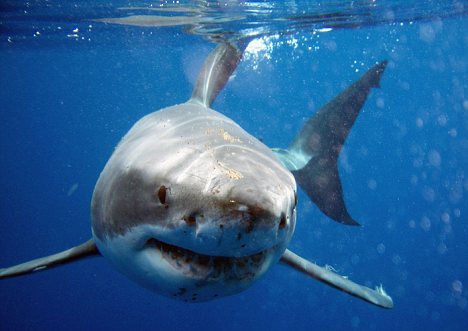
To finish, the obession with brand differentiation - and the false prophets who have got rich peddling it - at best, makes little contribution to brand growth, or manages to create it by luck, through accidental distinctiveness that gets noticed.
At worse, and all too commonly, it does more harm than good.
Because the obession with being different just makes everyone look the same.


 NORTHERN PLANNER
Leave a reply to David Warren Cancel reply