If I'm not swimming or doing other painful stuff on bikes, treadmills or rowers, or reading, watching a film or playing with the kids; you're likely to find me cooking.
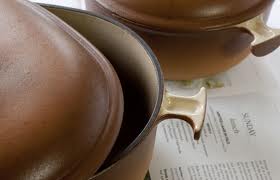
I love it. Always have. This isn't a daily chore, it's a joy.
I've been cooking in some shape or form since I was a little boy. What follows is why I love it and what it's taught me along the way. Some of that, believe it or not has beeb useful for the day job.
1. It's more special if you've helped make it. Like I say, I've been doing it for a long time. Some of my earliest memories are standing on my little wooden stool and helping my Mum. Sieving the flour, carefull stirring the bechamel sauce for lasagne, the patience and staying power required to gradually whisk in the oil to make mayonnaise, the crash bang whallop of flambe steak. And that's partly why I love food so much. Because I've always made it. We all love stuff that we've had a hand in creating. Which is how I'm already teaching my kids to appreciate their food and enjoy eating it. A useful trick to get people to buy your strategy and stuff too – let them help make it.
2. You can taste when someone's enjoyed making something. I call myself a cook, not a chef. I don't believe in 'performing' or making stuff that only looks good. I cook, I make stuff to please myself and others. I don't slave over stuff that's over complex, or meals I don't enjoy doing, I make stuff that's a joy to make. Because I firmly believe the most vital ingredient in food is joy. Again, that's maybe why food I used to cook with my Mum was so great, something about the laughter and, well, the deep love shared between a little boy and his Mum just rubs off into the food. I'm convinced people get that from ads and stuff, the stuff that's a ball ache to make – because it's been researched to death, because the client wanted, or because the agency folk didn't care. Versus the stuff that people enjoyed making, that they cared about. You can just tell.
3. It is better to give than to receive. I love having people around to eat. And it's great when I know them well. Because then I can cook stuff how they like, not always stuff I don't like to eat myself.I do love making things for me, savouring the anticipation of eating it; the 12 hour rabbit stew, a cassoulet that takes the best part of a weekend, but seeing the happiness on people's faces, the enjoyment, that's better. I don't believe that rubbish about refusing to make someone a well done steak. If that's what they want, I'll make them the best well done steak I can. I also never cut corners, people can taste and appreciate the effort. Garlic puree? Pah! As it happens, a level of generosity, enthusiasm and empathy are great skill for a planner to have. As are the delicate balance between giving someone what they're used to and what they're going to love. Only when you really know someone can you delight them. That goes for clients, creatives and target audiences as well as fellow diners.
4. Recipes are guides, not rules. I love trying new recipes. But getting to grips with them is only the start. Once you're familiar, then you can make it your own. It takes years of trial and error and learning the basics, but eventually, you develop the instincts to know what works, what goes together and what doesn't. And instinctive feel for the chemistry that rules food. Once you have that, you can create your own voice. Make your own version of classic stuff and even invent your own dishes, perhaps altering what you do depending on who you cook it for. That's the same for the job, like it or not, it takes years to not have to think about the basics and get inventive. To experiment, to create your own voice. Then, you can start to challenge, question and even discard the recieved wisdom of what works and do it your way. As long you respect what has gone before and understand why you're challenging it, rather than change for change sake.
5. Some quality ingredients you can't avoid, some you can do without A risotto cannot be made with cheap long grain rice, you have to invest in Arborio,Carnaroli or any other high starch version. It also lives or dies by its stock. The better the chicken stock, the bettet the risotto. The best comes from homemade stock made from the bones of a free-range bird. The cheap versions are just not the same. Just as crap supermarket mince destroys meatballs, or a bolognese. But in my view, any olive oil will do for cooking, while only decent extra virgin oil works in a salad dressing. Let's get this straight too – cheap balsamic vinegar is a false economy. But eggs in cooking are, well eggs (I'm assuming you won't buy battery). So is flour – unless you're making bread. And so it goes with the job, if you're going to base work in a killer insight, it has to be a genuine killer insight. If you're going to test work, for God's sake, don't scrimp on recruitment and pay for a good moderator. The wrong people looking at your work, in the unwell hands of a bad researcher is commercial suicide. On the other hand, if you're going to build your work on connecting a number of insights together (faster), they don't have to great, just reliable and ADD up to something great. In my experience, a great proposition is optional (especially with the kind of creatives that automatically ignore propositions) but a clear, juicy task is an absolute must.
6. Lose yourself in the task. Playing music while cooking is a joy, and somehow, music that suits what you're making makes it all better. But it should never distract. One of the joys of cooking is when you lose yourself in the task, totally in the moment, yet totally in trance. So when you finish, it's like waking up. That state when you're instincts and your conscious brain seem to become one. It's a source of great joy to get into this kind of state and enables you to work wonders. Ditto doing stuff like creative briefs – it's only when you stop noticing you're thinking that you really think. Writing, editing, distilling, refining – you need to concentrate really hard and avoid distractions, then the thing seems to write itself, you've forgetten you're working. . Same for any written piece of work, or presentations or whatever.
7. It's more fun when you do it together. I love cooking alone, it's quality 'me' time, but nothing brings people together like preparing a meal. I still like cooking with my Mum, but I also value that whole men and BBQ thing, the fellas clutching beer, chatting and working together through the acrid smoke on the meat and vegetable skewers. I love eating Christmas dinner, but I love the joint family effort to bring it together. It's great when Juliette helps me, that feeling of us working as a team. Eating at a table together is important, but making it together is even better. One of the joys of my life is my little boy helping me, perched on his little steps like I used to with my Mum. Experiences always last longer than things, and working side by side really brings people closer. It's the same with planning, if you're shy like me, it takes a shared task to get to know people. Nothing brings a team together like pitch. And if you want other to let get involved in their stuff (client relationhsips, creative execution) you need to let them collaborate with you. Any team only bonds when it has to do a task together, especially men, who don't socialise 'face to face' but 'side by side'. This is why football is so important to some of us and why we miss having to work with our hands together (even though we don't know it).
8. Some mistakes cannot be rectified, some can. There are some mistakes you can come back and repair in the course of preparing food, but some cock ups mean you have to abandon the whole thing and start again. For example, the secret to great curry is slowly cooked onions. But if you burn them there's no going back,nothing can hide the bitter taste and you must start again. On the other hand, if you over do it with the Chili or other fiery ingredients later on, you can just cook it for longer and that fire will gradually cool down. Just like making a white wine sauce, that usually needs creme or creme fraiche – when you mix dairy stuff with something acidic, like wine or vinegar, you can't let it boil, or the dairy bit will curdle, leaving hideous white little lumps in a thin liquid. It can't be saved, do it again. But if you're making bechamel sauce (flour, butter and milk) lumps might appear but it doesn't matter, just whisk it to within an inch of your life. Roughly, there are deep foundations to dish, and if you get these wrong, the whole edifice will collapse. But when the secondary stuff goes wrong, you can usually save, sometimes with a bit of ingenuity and invention, sometimes with a lot of effort. It's like that with developing work. By and large, if the underlying strategy is totally wrong, or even worse, if you don't have one, the work that flows from it will be wrong – and you need to start again. But sometimes the thinking is mostly okay, but it's just not watertight, or a little wooly here or there. Here you can rectify things,but the further you get down the line with creative development, the more those little flaws become yawning great chasms of wrongness. Always admit when you're wrong or you've made a mistake, assess if the project can be saved, or if it's a rip-up and start again. Pride gets you nowhere and the quicker you tend to little problems, the easier it is to solve them. The only exception is happy accidents, some times work is so great, it informs strategy, not on purpose, it just does. Just as I put sherry into a bolognese instead of port, and have stuck to it ever since.
9. It's okay to please yourself. One of my greatest joys is the evenings I get to cook for myself. Sometimes, this means Spaghetti Putanesca- the wonderful heat of the chilli, the pungency of the garlic and the dirty saltiness of the capers and anchovies makes for a big hearted gutsy dish. Mostly though, it's time to try new stuff and work out what I like and why I like it. I don't like experimenting on people, why would I ever give people stuff to eat I'm not sure I like myself? That I'm not proud of? So my first test of anything is,do I like it? Am I happy with it? Because we're all a little different, but we're also 99.99% the same. The chemistry of food reacting to taste buds isn't all that different for all of us, in fact, what we like can often be translated to 'what we're used to'. It has to work for me, as a mark of respect for the people I'm cooking for, and if it works for me, it will very likely work for them. It's just the same with strategy and the resulting work. Segmentations and stuff can be useful, but brands grow from mass penetration, you have to look for truths in what we all like, not what sets us apart. If you 'plan from within' and ensure it interests and excites you, and ensure it excites you as a human, not a planner, you'll do okay. Finally, if you treat people with respect and don't produce the 95% of crap this industry makes, you'll be rewarded with greater cut-through, greater salience, and in the end, greater long sales.
10. Don't accept it when people say "I won't like that". My little boy's first reaction to new food is "I don't like that", so we have a first plate strategy where he has to eat a spoonful of what he doesn't want before gets food he likes. Gradually he gets used to new food and tastes and, mostly, he only has to try stuff a couple of times to realise it's actually quite yummy. My wife once told me she would never eat nuts in cooking, and was suitably chagrined to find that pesto has pine nuts in it and my homemade korma is replete with almonds. She also hates anchovies, despite still not knowing it's in 30% of my pasta sauces. We're all fond of the familiar, and, despite the fact we're hardwired to seek out novelty, not only do we reject surprising stuff out, we base predictions of what we'll like based on what we know now. Many grubs and insects taste like prawn or lobster, but we have too much cultural baggage to get past our disgust of creepy crawlies. This is a big learning for planners in my view. It's why most pre-testing is a waste – because people are telling how they feel about stuff based on what thet know now. Sometimes you have to ignore what folks tell you they like and push on regardless. Even more fundamental, people naturally hate bankers, just like my wife hates anchovies. A good strategy is to disguise them as something else, get in the business of pasta sauce rather than fish. Polaroid was once in the social lubrication business, not instant photography, if they'd remembered this, they'd be a lot stronger today. Also, sometimes peopl really don't like a meal, they don't like an ingredient. I can't eat beetroot, put it in anything and the dish is ruind. So it goes with creative work, sometimes people can't express this though – sometimes the idea is fine, the execution is fine but they don't like the voice over or the casting.
And when it comes to clients, find a way to make them think they're getting what they like. Never confont them with 'you're wrong' – hide the anchovy in the sauce and let them marvel at how great it tastes.
That's what a deep and abiding love of cooking teaches me about life and planning.


 NORTHERN PLANNER
Leave a reply to Tenji Cancel reply