1. I'm off to South Korea next week to help judge the Adstars awards. I'm very lucky they've been kind enough to invite me.They've been foolish enough to ask me to do a seminar on connecting with youth markets. It's below. To be honest, it feels like a summary of lots of other people's work, but hopefully it makes one or two good points. Feedback very welcome
H
II
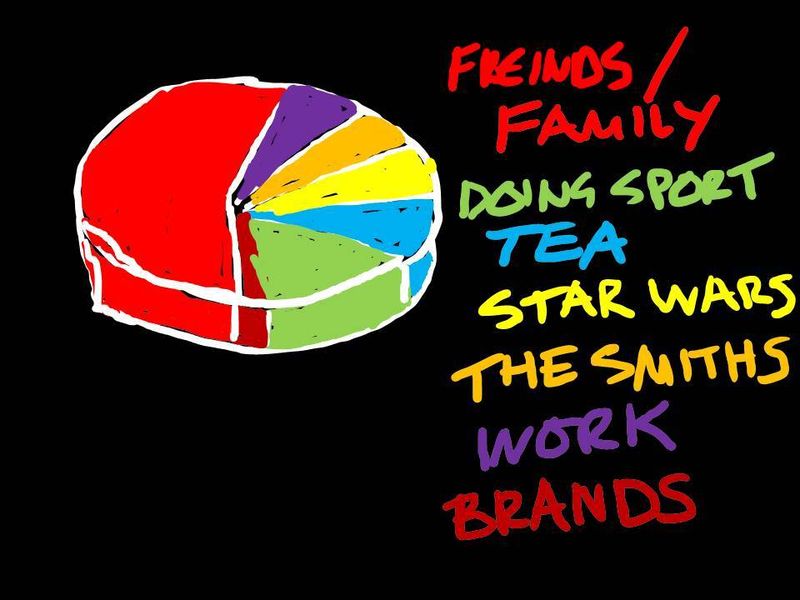
I’I'll start with a picture of my wife and
kids.
Because they matter to me more
than anything else. There’s other stuff
I love too…

I have an obsession with great
tea made properly in a tea pot. Yorkshire Tea to be precise.
I love getting out on my bike. I
love swimming –I used to be an international swimmer when I was and can’t lose
the habit, despite the fact it gets harder every year.
One day I’ll have time to play
tennis again too. Agassi was my hero. More on him later.
I have a deep and abiding love
for an 80’s British band called the Smiths. You don’t love any music as much as
the music you cared about when you were young. The Smiths were my band.
3.
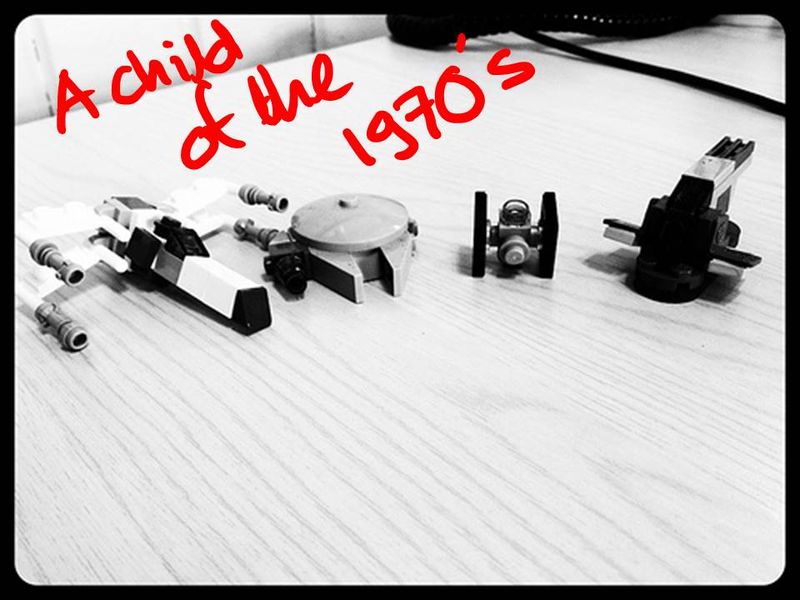
But I haven’t loved anything for as long as I’ve
loved Star Wars. I was born in the 1970’s, this is not uncommon.
4.
Just as the position of brands in my life is
pretty normal too. They just don’t feature that much. Like most people, other
things matter a lot more to me. They make life simpler when it comes to deciding
what to buy, sometimes I get interested in what they’ve got to say. But they’re
not really a big part of my life.
5.
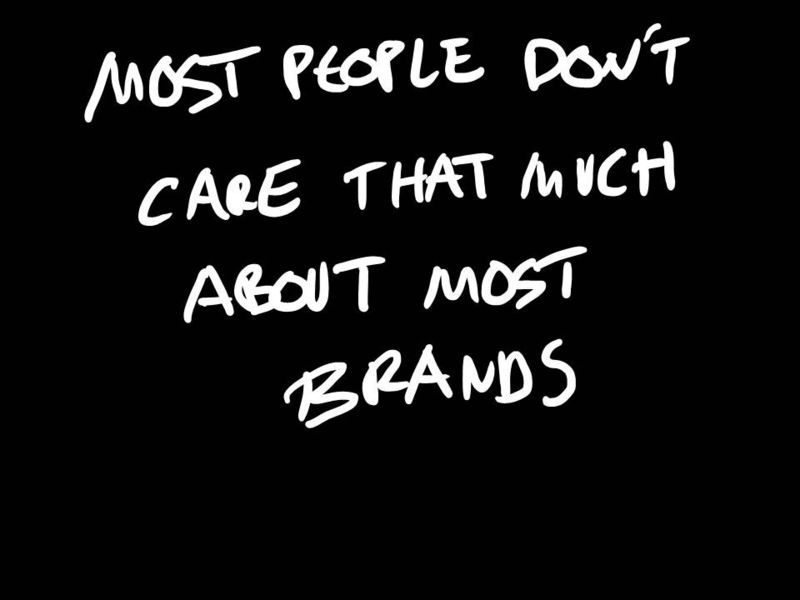
Which is the best starting point for any
brand. Despite the claims of brand
consultants and other gurus, when you look at the data, most people don’t care
about many brands very much.
6.
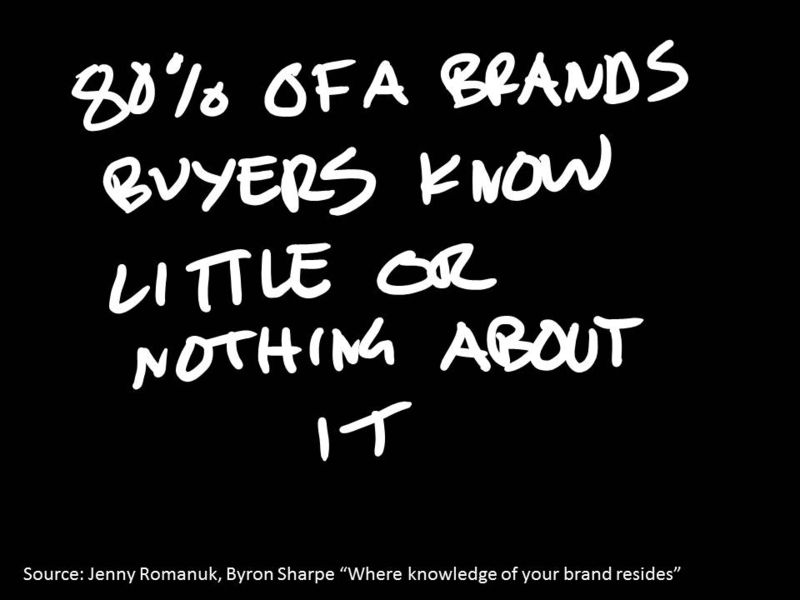
Most buyers of a brand actually don’t know that
much about it.
7.
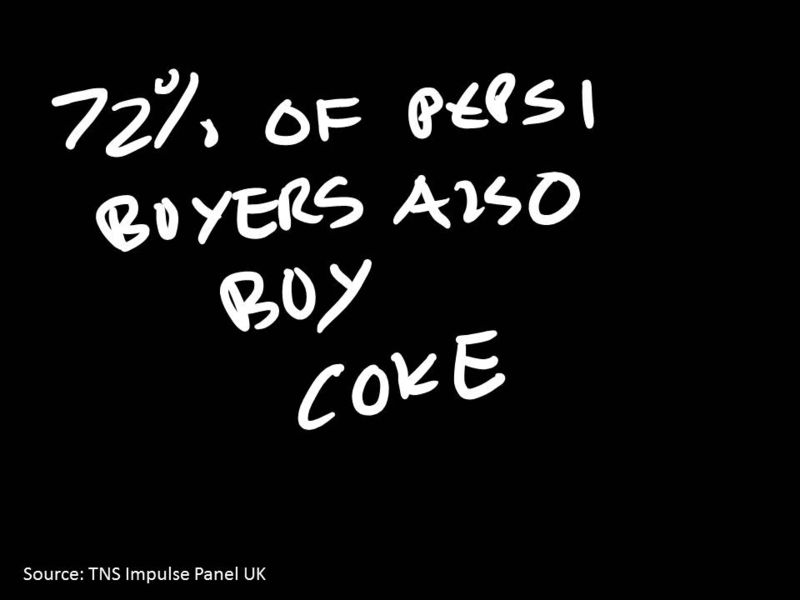
And they’re certainly not loyal by any stretch
of the imagination. Even a powerhouse brand like Pepsi isn’t bought
exclusively. Because in real life, I MIGHT quite like the brand I MIGHT prefer
the taste, but like most people, I’ll buy what’s available. If there’s no
Pepsi, I’ll happily drink Coke and Vice-versa.
8.
It shouldn’t be news to people who work in brand
communication but it seems to be.
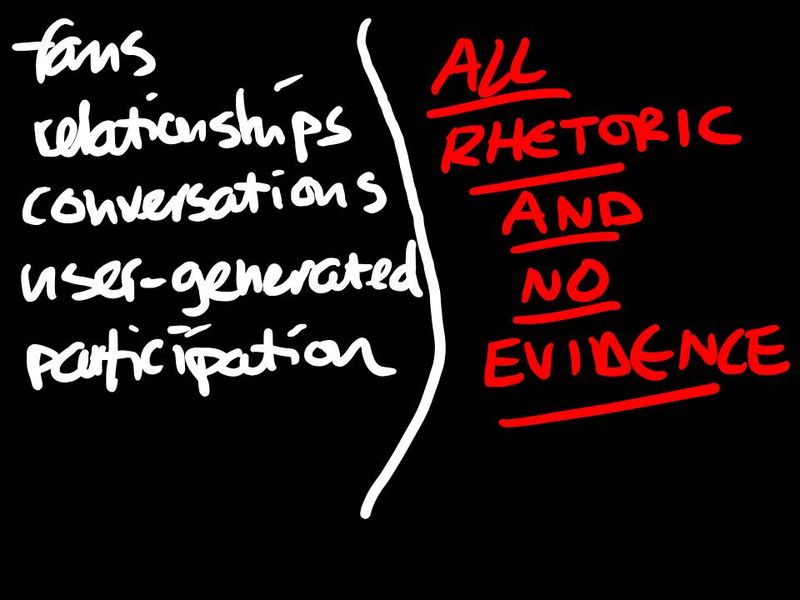
‘Relationships’ ‘user generated
content’ ‘conversations’ or even, god forbid, ‘love’. Much of the approach to
brands is based in the false assumption that anyone cares.
9.
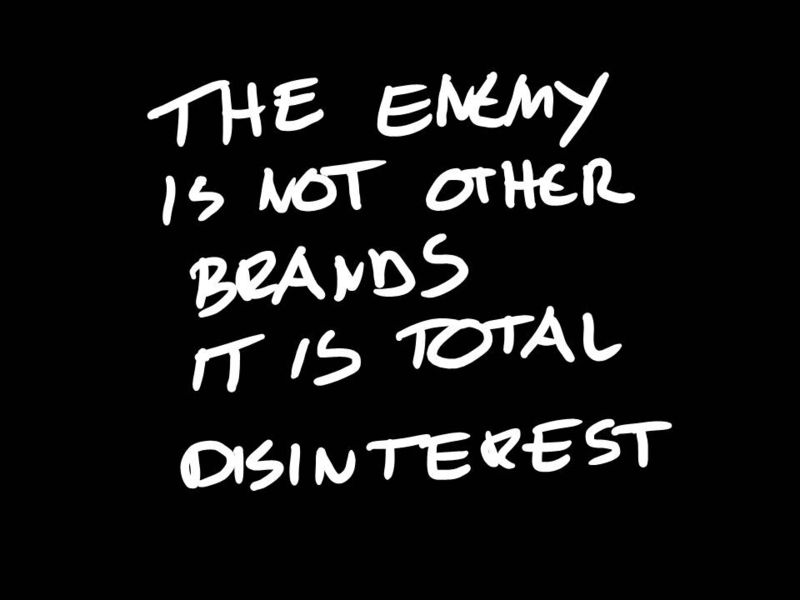
Our fundamental challenge is overcoming
indifference. Our most precious commodity is attention.
10.
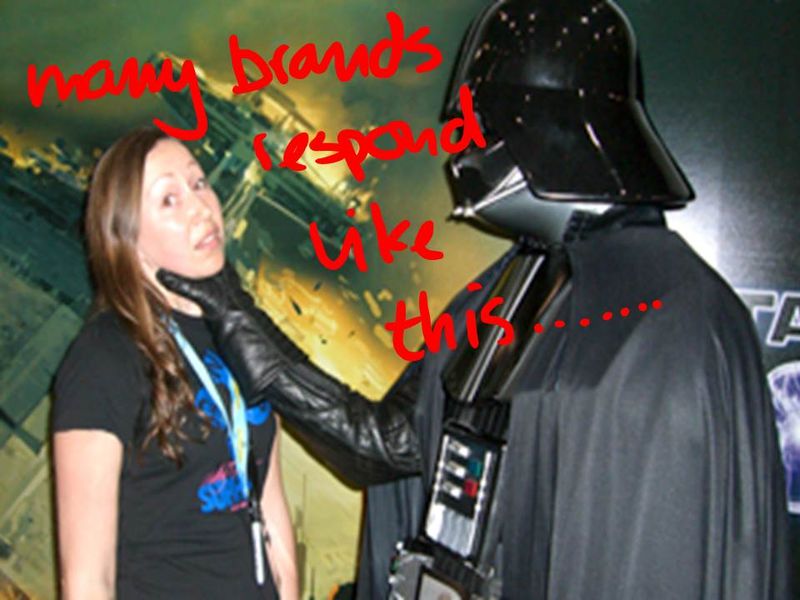
Many brands still persist in firing repetitive
messages at people over and over again. Bludgeoning the message into their
brains. Which often feels a little like this (more Star Wars, I know) if I’m
honest.
11.
But this is increasingly ineffective with the global
youth generation for whom digital is a way of life, for whom everything is a
click away, for whom the possibilities for entertainment and content seem
virtually limitless. Who are getting really good at filtering out the stuff
they’re not interested in. They’ll only
talk to who they want to, watch what they want and listen to what and who they
want. And ignore the rest.

12.
There’s a kind of ‘brand Darwinism’ going on.
Darwin quoted that nature is ‘red in tooth and claw’. So are youth markets. But
it’s not survival of the fittest, it’s survival of the most interesting, the
most cool.

13.
But being cool isn’t easy. Especially for grown
ups. As anyone who has experienced their Dad dancing at their wedding will
know. Somehow you need to find credibility.

Which means you can’t turn up in
their world with your agenda and just hope they’re going to pay attention. You
need to earn it.

14.
In fact, human beings in general spend most of
their lives paying little attention to what we do or how we do it. Our over
supplied world means we’re always looking for ways to not to think. That was
the whole point of brands in the first place. But every now and again we get
‘whole body responses’ where we switch our full attention to something- the
moment you wake up in the car to break for a pedestrian. Your pulse races, your
muscles tighten, your skin flushes. This
is also why sport is enduringly popular. It actually gives us that physical
rush. As does great music or a film that
captures our imagination.
15.

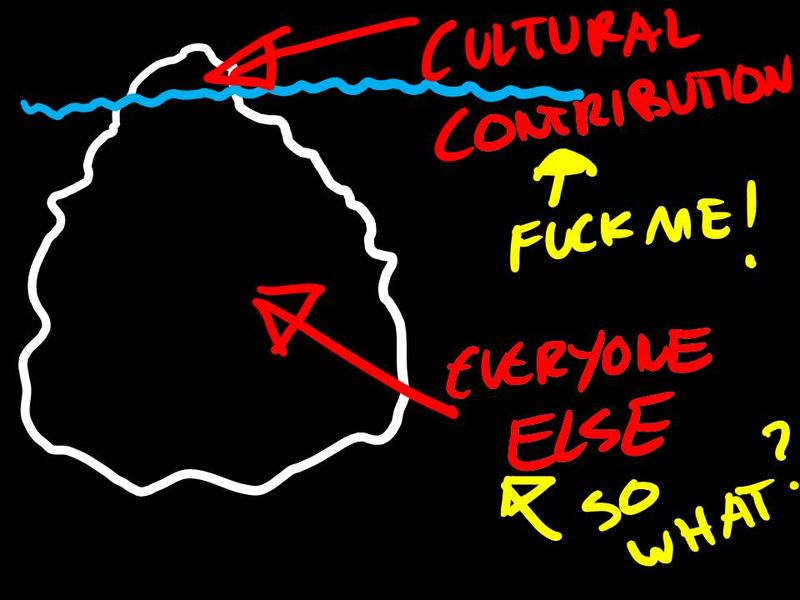
What we should seek to be creating are those ‘fuck
me!’ moments. We’ve all experienced them. The moment when the worlds stands
still and you make some sort of personal and cultural connection with a brand.
16.
This is mine. Andre Agassi and Nike. Yes, I wore
those pink cycle shorts. But this was about a lot more than questionable taste
in fashion. This was about a global cultural flashpoint. Tennis had always been
part of establishment, the sport of the middle classes, where, away from the
stadiums, the clubs were controlled by elitist, traditional types for whom
teenagers were an annoyance. Whom in many cases, frowned on non-white uniforms.
Any young person who plays tennis will have come across this at that some
point. Nike, with Agassi, made us feel a little braver, strengthened our
resolve to enjoy tennis our way. It made tennis feel good to us, it got Nike
talked because it got to the heart of how tennis felt to young people.

17.
This is how brands can connect with young people
who have better things to do. They make them feel something, they find a way to
be credibly part of their world. Not by piggy backing the latest thing. Not by
predicting what they’ll be into next, they don’t know themselves. Rather, make
a genuine cultural contribution. By
resolving some tension or contradiction in their real lives.
18.
And it’s really hard to compete head on with
popular culture. You’re not going to be better than Lady Ga Ga, or even the
Harlem Shake
19.
Here’s some stuff happening right now:
Youths in the UK are addicted to
following celebrity lifestyles, but austerity is making this something we don’t
want to admit to
They are also responding to
austerity by becoming more materialistic and working harder, driving a
conflicting pressure to find outlets and be irreverent.
In China, there is a tension
between the need to be a good citizen and the pull of instant gratification
brought on by new economic freedoms
20.
Life is never simple or smooth like research
tries to make it. It’s messy. That’s what make so interesting. The more you
embrace the conflict the more interesting the work becomes.
21.
It takes you to a place where you naturally do
something interesting, funny, cool and different, because you’re right at the
heart what THEY care about. You’re adding something rather than following.
22.
Forgive more Star Wars, but if a brand was Darth
Vader, Luke’s father of course, he would be able to dance at Luke’s wedding
like this
23.
The IPA Databank contains decades of
effectiveness case studies and finds that ‘fame’ campaigns, those that get
talked about are the most effective. Because being seen to lead makes people
naturally assume you’re the best, worth paying more for. It makes you cool. And
they tend to do by digging right into something in real culture.
24.
So……………………………
How do you find that cultural flashpoints? How do you create
these fuck me moments?
(deep breath, sip of water)

25.
Start with culture and work back.
Not the brand. Make it fit their
lives, not the other way around.
Easier said than done. I’m nearly 40. I don’t go out as much as I
used to. But the most valuable asset you can is a feel for what’s going in
culture. You need to keep your cultural instincts as sharp as possible.
26.
That means hanging out with interesting people. People
who don’t do advertising. Hire people who are interesting in much more than
advertising. People with their fingers on the pulse. Listen to them.
Don’t read advertising books.
Read weird shit. Lots of it.
27.
But above and beyond all of this, don’t rely on
traditional research it’s mostly useless. That’s about getting people into fake
environments and asking them stupid questions they never really think about in
real life. Anyone who knows is someone under 24 knows perfectly well they find
it hard to tell you how they really feel.
No, you have to accept that
developing brand communications for young people, any people in fact, is not a
desk job. The best research you can do, formal or otherwise, is talking to them
in their own environment, where they feel comfortable. Watch, listen, soak up
what’s going on.
The task of research is not to
uncover opinions. It is to uncover behaviour and context.
28.
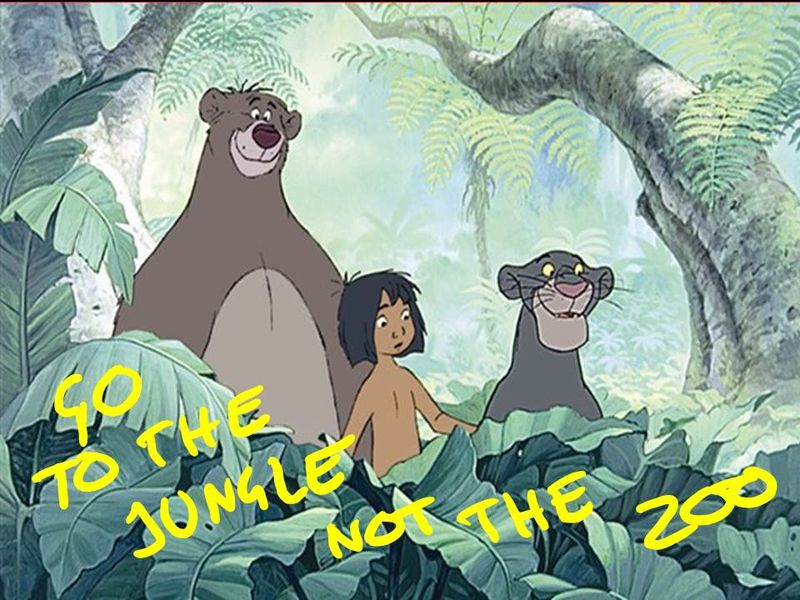
Put another way, forget the zoo, go straight to
the jungle.
29.
As some sort if process, it looks a little like
this.
Be clear about the business
problem to solve.
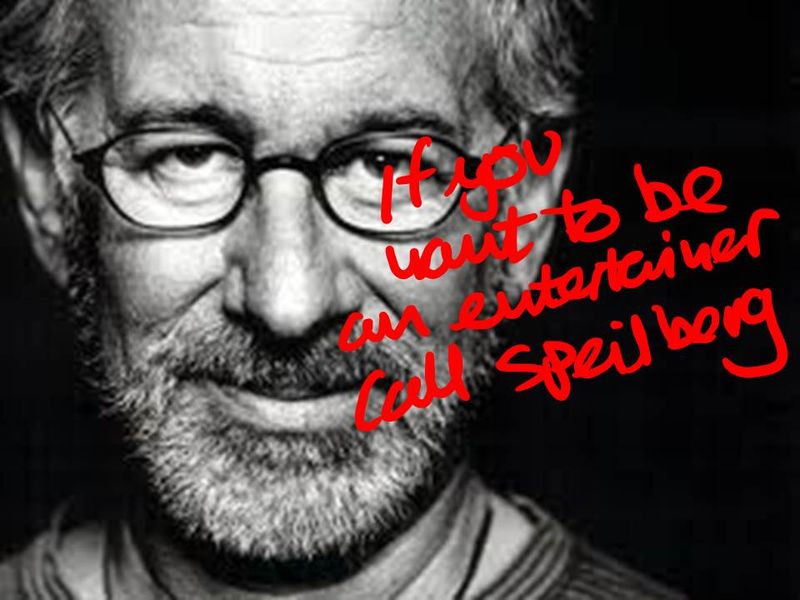
We’re here to sell
stuff. If you just want to make art
entertainment, give Stephen Speilberg a call.
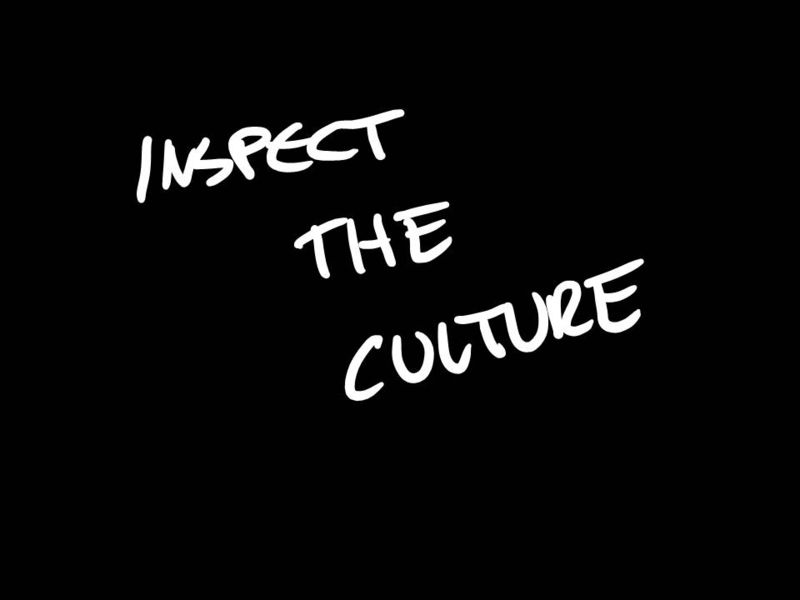
Inspect the real culture around this,
what does that look like in real life? Look for an issue or tension you can get
involved in.
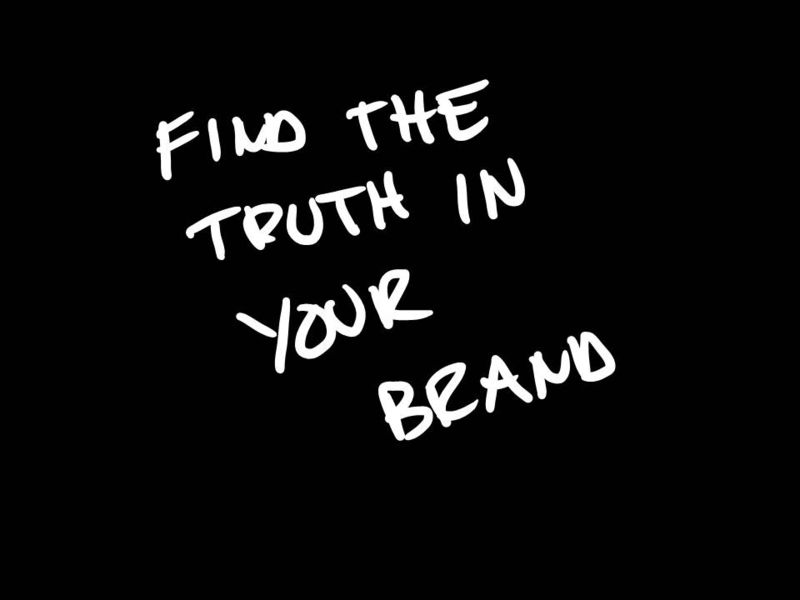
Then, and only then, find the
truth in your brand that can provide an answer
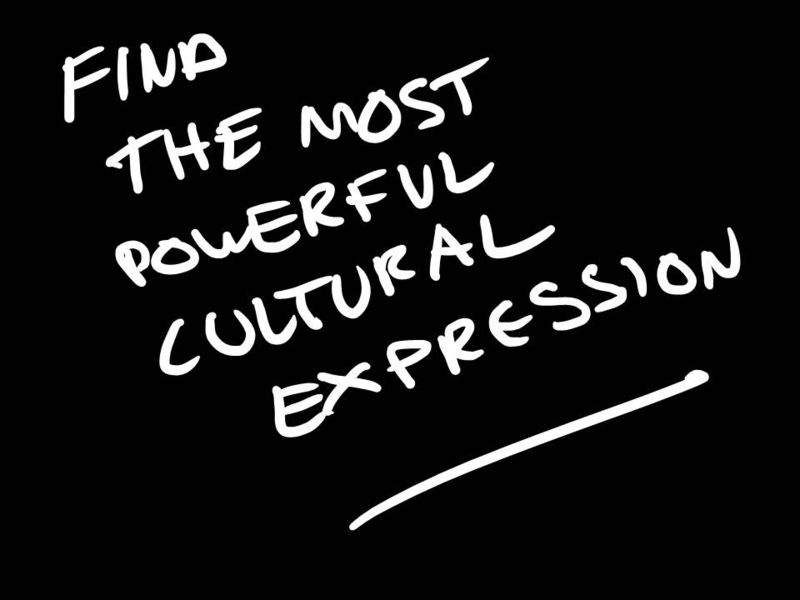
But don’t then look to make
advertising. Find the most powerful cultural expression of this.
Some case studies.
30. ghd- hair straighteners- global
Business Issue
Growth opportunity with under 24
women, but straight hair was only one of their style repertoire. We needed to
make them care that ghd doesn’t just straighten, is can curl, flick…the lot
Cultural issue
Young western women under
pressure to conform to conflicting societal expectations – the successful
career women, the model, the sexually confident temptress and the care giver
–at the expense of their own unspoken desires.
Brand truth
ghd instantly transforms how a
woman feels about herself and gives her the confidence to be independent, ignore the limits society sets on her and
pursue her own desires.
Cultural Expression 1
The drama and ritual of preparing
for the big night out
Cultural Expression2
The pain of “puppy love”
31. Southern Comfort -global
Incidentally, this ‘identity
crisis’ is becoming a male phenomenon too and Southern Comfort encourages men
to do their own thing, be comfortable in their own skin
32. VB Australia
While VB Beer in Australia has a
different brand truth -it’s positioned
as a traditional, real beer. It’s answer needs to be rooted in tradition – hard
with a youth audience!! The answer is to
inspire young men to wake up to their increased ‘feminisation’and
rediscover true manhood.
33. Orange UK
Business Issue
Increase penetration amongst
young people through their love of cinema
Cultural Issue
Not do they find product
placement obvious and annoying, they find mobiles in cinema frustrating full
stop. In fact, deference for big brands amongst UK youth has disappeared. They
need to demonstrate they want to add to THEIR world, not the other way around.
Brand Truth
Orange exists to use technology
to enrich and improve lives – the final cultural leap was to understand that
the saturation of mobile phones meant they can also make it worse. Orange
needed to be seen to persuade people NOT to use their phones
Cultural Expression
The annoyance of product
placement blended with the ‘movie pitch’
The Star Wars one (obviously)
In conclusion, there is no quick fix to marketing to today’s
youth. There are no short cuts. No one owes us a second of attention. You are
either relevant or nowhere.
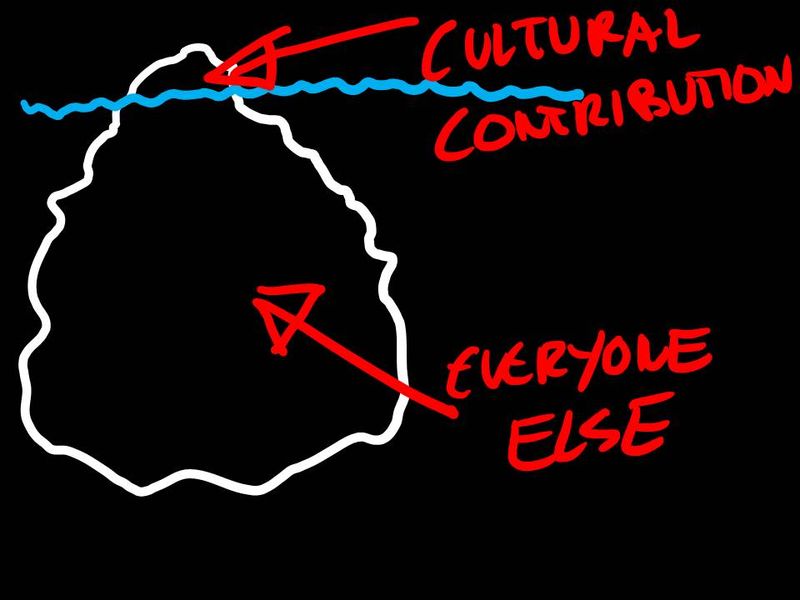
But if you can tap into stuff they care about,
embrace all those wonderful contradictions and even help resolve them, that’s
where the magic happens.
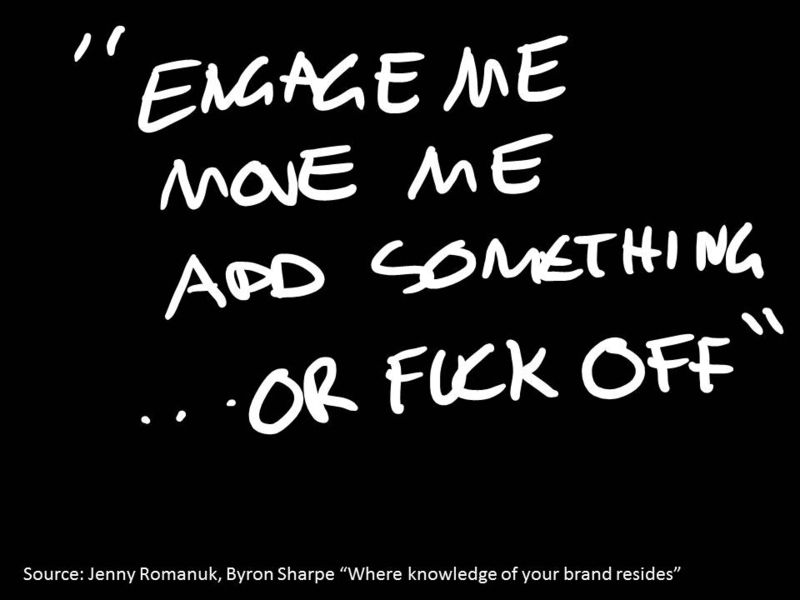
Put another way, “Engage me, move me, add something, be
useful, or fuck off”


 NORTHERN PLANNER
Leave a reply to john Cancel reply