I hated being made to do presentations when I was younger. I still do to be honest. Because I'm shy, dislike big crowds and am not a natural orator.
I also share a personal truth, I moved from being a suit to planner and always have this nagging doubt I'll get found out as not a real strategist. Despite many years doing the job and not doing too bad overall.
But that's actually quite a good place to be. Because confidence is massively over-rated.
The human brain is a sneaky little bastard and cons us into all sorts of un-truths about how we percieve ourselves and our skills. It also helps us make mistakes about others.
Con-trick number one is that human beings are chronicly guilty of over-stating their aptitude and skills. Most people would agree they are above average in attractiveness, when of course, most people statistically cannot be. Experiments run with chess players have shown most believe their actual skill is better than the ranking they have.
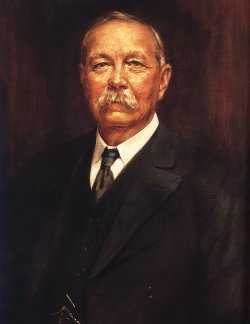
Even scarier, the LESS experienced and accomplished you are, the more likely you are to over-estimate your brilliance. In other words, that Arthur Conan Doyle quote was spot on "Mediocrity knows no higher than itself, but talent instantly recognises genius" .
That's a problem in this industry that tends to celebrate the young and new. Of course, young turks shake everything up and challenge the complacent out of their comfort zone, but we shouldn't forget that it's axiomatic for novices to think they're better than they are. They need help for reality to bite.
It's also a problem for regional agencies in the UK and people that have never worked anywhere really good (I don't mean a the right name over the door, just, well good).
The new business director who got the job through politics and thinks they are a strategist.
The creative director who has only worked on logos and has landed the job in an integrated agency.
The small agency that has only worked with small clients and think they can take over the world.
But also the agencies with the Shoreditch address, who mistake post code for greatness.
And if you believe you're ace, you won't take constructive feedback too well, you'll take on too much, you might even suffer from a dose of arrogance. You won't learn. But if you have the fear, you'll be great because you'll never allow yourself to mistake good for great, or make an avoidable error.
What's worse, is that we naturally believe in confident people too. It's not what people say, it's how they say it. In an industry full of self-confident showmen, you can imagine the amount of bad advice that get's through because of how it's delivered. I personally get through the confidence barrier by making people see I care, and because of endemic self doubt, preparing more and working harder.
And then there is the danger of confidence in information. Confirmation bias. We tend to make the information fit our point of view. We see patterns in things that are mere coincidence. Which is slightly scary when interpreting research. It's why religious folks see the Virgin Mary in a slice of toast, and people with arthritis think their dodgy hip hurts more when it's going to rain, when they only remember the times it rained and their hip hurt, rather than the occasions it didn't.
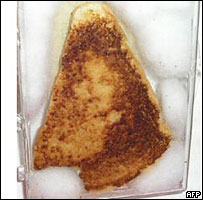
But confirmation bias can be used for your own ends of course, if you give into the temptation of dirty planning.
When you know what the suit, creative or client tends to like, their values and belief system, you can hone the argument for your thinking and how it's delivered to make them see what they want to see.
Anyway, I'm saying that confidence is a false God.
Not believing in youself too much will make you more effective.
Getting out of your comfortable little frame of reference is a must.
Don't look for people who will agree will you. Look for the awkward folks who will challenge everything.
Not falling for over-confident colleagues will stop the team selling over-polished, badly thought out work.
And being hard on yourself will help you avoid confirmation bias and stop seeing the Virgin Mary in research data that means nothing – but it can also help you sneakilly get stuff through.
Trust no one. Least of all yourself.


 NORTHERN PLANNER
Leave a reply to northern Cancel reply