• I got an intriguing email from someone recently asking if I knew of any posts from myself, or other planner types, about training junior planners.

    I have to admit I did not.

    Which, after thinking about it for a bit, was a little shocking.

    There has never been more competition, between the various agencies that make up 'adland',to hire and keep talent than there is now.

    This industry just isn't as attractive next to other career paths as maybe is once was. It's much less cool, pays less relatively, has less career stability and works long hours.

    So, despite the prolific chatter all over the interwebs on 21st Century Branding, the Death of TV, the death of ad agencies, it's a real shame there isn't decent content on the hiring and development of great talent.

    It's a focal point on much wider, real issues around the hours we ask people to do, how we charge for our ideas as opposed to our time and the general rule that if you want people to do well, stay and give you their best, you have to treat them properly and balance their quality of life and career path with the very real need to make money.

    I replied with a few pointers, but I thought I might do a bit more here.

    I'll start today with the easier one, what not to do. This is of course based on personal experience as someone who was a junior once, but also observations gleaned from the experience of others.

    So, how not to train junior planners (and to some applies to junior folks in agencies per se):

    1. Don't try and make them have YOUR idea.

    The problem with many planning directors is that they are great at thinking and having ideas, but rubbish at bringing it out of others. This can be seen in the way they interact with other departments, they are the ones who stick to their strategy or proposition and don't like it being changed- as opposed to the ones who are great at generating and spotting great ideas from others ( have to admit I'm the latter, mostly because I don't have many good ideas and it's easier to get others to do it for you!!).

    So it follows that when they let juniors have a go at a project, they won't be able to see the merits of the solution the junior comes back with, because they will already have something in mind themselves, so they'll belittle the poor bugger about what might be wrong with their thinking and evidence, rather than looking at what's good and what can be developed.

    Even if it's bollocks, you need to find a way to praise their effort, show them why it's wrong and empower them to find another solution – rather than call them stupid and say, 'what you should have done it this'. There is no ONE solution, just like with economists who cannot agree on anything, there is more than one approach. Listen, help, encourage and guide. So……………

    2. Don't expect them to work at the velocity as you.

    So what follows should be simple, allow for the fact they'll be a little slower than you at stuff and when you work on a project together, you need to make time to talk them through things, explain things a little more and stuff.

    I learned the hard way that there is no point telling my kids 20 seconds before we're leaving the house that it's time to go, then getting grumpy when take an age to find their shoes, pick a toy to take or go to the toilet, their agenda is not mine. It's like that working with juniors – you're dead busy, you could do it twice as quick, but if you don't make time to help people learn, they'll never get better and be stuck thinking nothing they do is good enough.

    3. But don't be a light touch.

    Once, planners were allowed to be late for things, to get lost on the way to meetings and generally be a little air headed.

    No one has the time and patience for this any more. Because as they progress, they'll have to deal with more of a blur between 'suit' and 'planner' and do more things that people in real jobs have to think about.

    Only let them get away with  being late, lost or forgetful once. That goes for rigour too. There's a trend for planners to have 'ideas' these days rather than evidence based strategy based on proper examination of the information at hand.

    It is critical to have evidence based thinking, otherwise you are just someone with opinions, even more these days with Lord knows how many people thinking they can own the strategy: the creative agency, digital, media, media owners, brand consultant and whoever else are all trying to own the lead strategy and even lead creative.

    The only defense for a good working planning team and its agency is to be able to back up their ideas better than anyone else, and be able to de-stabilise first page, slap dash stuff from other folks. I'm not saying every idea should be backed up with a flash of amazing consumer insight (but I weep at the trendies who seem to think this doesn't matter anymore) but there is so much to be gained from looking at TGI harder, reading the clients' annual reports, or just bloody going out and talking to people who work for your client or real people on the street.

    This goes for you too by the way, it's easy to fall into the 'because I say it is' camp when you get senior, because you can force your thinking through, which will come unstuck eventually, getting your team to back up their thinking encourages you to do the same.

    4. Don't moan about the good old days.

    This might manifest itself as 'the good old days when I used to work 16 hour days as a junior and spend 5 years not being allowed to go to a client meeting'- in order to rinse your people for every drop of energy they have.

    Those days are, if not gone, they are fast going and there is no point burning your people out, and getting them to change to another career because they've had enough. Likewise, the good old days when you could charge a fortune, you made loads of TV ads, clients took more risks, bought more better work etc.

    No one needs to hear they joined the industry too late, you're just encouraging them to do something else. And it really wasn't that much better was it? Rather, help them embrace the limitless possibility of mixed up media – and the fact that few are able simplify and make it something clients can embrace gladly.

    They know more about digital than you do, they're on Snapchat and you are not (I hope) – embrace the future with them and stop boring them with a past that wasn't as rosy as you now like to believe these days.

    5. Don't try and create cardboard cut-outs of yourself.

    You will be really great, really experience dand able to apply it to all sorts of varies briefs and projects. You will have learned to overcome weaknesses and build on natural strengths.

    But your are a one off, the product of a mixture of genes and experiences. Your are a one-off – and so are the people who work for you. They will have different in-built strengths and weaknesses, so making them work in only one way -  be that developing workshops, the times of day they best work, getting respect from other departments, the style they write briefs in, how they apply research, how they present – in other words, your way, is doomed to fail.

    Figure out what, in your own arsenal are universals anyone should know and practice (always sit in the middle of the table to get gravitas in a meeting, don't get excited about a high index on TGI until you look at the actual percentage of the audience, speak last in any review of any kind of work if you can) and then what should be a library of approaches for your team to try and see what works and what doesn't.

    That also goes for presentation decks. They are the background and 'props' for the speaker, no more no less. Insist on any agency template if you like, but apart from that, it depends on how someone presents – naturally 'tell them what you're going to tell them, tell them and then tell them what you've told them' 'find a theme' are universals.

    But applying some storytelling structure etc, how that works depends on the person.

    Just as some planning folks don't sweat a proposition (thoughtleader or core thought) in a brief or client strategy presentation, and work on a really juicy task, or even a transformational insight instead (but every brief or deck should have one focal jumping point, everything else builds up to or from this point, but then again that might be how I work!!!).

    6. Don't be a parrot for the proprietary process.

    Look, every agency in various disciplines sort of works the same. They flounder around for a bit, they get worried about the deadline, something comes up and then they work like mad to be ready for the deadline.

    They hide this from clients as sell a process that gives the comfort of making things look professional and predictable (and procurement loves to buy a process). This benign conspiracy sort of works, as long as you remember it's a conspiracy and the process is really a load of bollocks.

    So forcing your people to follow a process just doesn't work, especially as, as mentioned before, they need to find the best way to work efficiently in their own way. Make everyone work the same and you get the same stuff. Just as every brief isn't about 'disrupting the market or zigging where others zag'.

    At the basics of communications strategy, there is only really 'impacting with the audience' 'activating people to do stuff' 'reinforcing how they feel, or what they know, about something, or 'Augmenting' – changing how they feel or what they know. But that's four, not one and it changes depending on the brief.

    Your team need the freedom to explore these four ways, then understand how their thinking can be made to fit the 'planning model' or how the client thinks communications works – freedom, guidance. Not suffocation and constriction.

    7. Don't over-protect them

    I learned when I was a competitive swimmer that no amount of training can prepare you for real racing. The pressure, the way your body copes with adrenalin, how you respond when the pain kicks in and only willpower can help you carry for the final metres. You can only get better at racing by racing.

    It's the same with client meetings, dealing with grumpy creatives, scary TV buyers, doing presentations or even the moment when the pitch team has a melt-down when they can't seem to crack the brief.

    Gradual exposure, starting as soon as possible is the only way to get good at this stuff. The first cut is the deepest, but until you are able to get used to things, learn from mistakes and get used to the realities and pressures of the real job, you are not really doing the job.

    Great thinking and insight is only 20% of it. Being able to persuade others of your thinking, internally and externally, empowering others, thinking on your feet and, critically, being able to deliver solid work time after time, being a safe pair or hands rather than a 'either brilliant of dire' planners are where the job is really done.

    So honesty about where ideas come from, the fact they do not appear mostly as if by magic, they emerge and are developed by lots of reading, hard work, edit, precis and distillation and, also, having the dignity and generosity to include as many people as you can in the strategy, as they might strike lucky instead of you, which also means having the courage to admit when someone has some better thoughts and when you are totally wrong.

    But also knowing when to be firm, when to let people down gently, to prove them wrong but leave them smiling, to be able to stand your ground without being obstinate.

    In other words, always being the bigger person,

     

  • "Not everything that can be counted counts and not everything that counts can be counted"

    Einstein

    Data

    A lot has been promised by Big Data. Mega things. Most of it seems like over excited over claim, but probably, sooner or later, it might deliver.

    There are examples today of how it can be good. The US House of Cards reboot is thanks to the number of people liking Kevin Spacey content also liking political drama.

    But  Big Data is also responsible for online retailers stalking me with re-targeted ads of things I have already bought. It's meant that when I buy stuff for my wife and kids, I can't move for ads selling me more of the same.

    When any idiot human could intuit that I really don't want an avalanche of offers for women'srunning gear, Zara shoes or Star Wars Lego (okay, I'll give you Star Wars Lego).

    Of course there is a great example of a US supermarket that got publicly roasted by a father, furious that his teenage daughter had been sent stuff for maternity, only for the father to apologise when he found she actually WAS pregnant and was too scared to tell him.

    it can right, yet horribly wrong.

    On the subject of supermarkets, big data has been around for a while, Tesco is the pioneer with its Clubcard, the value of knowing intimate shopping habits was priceless for them.

    But Tesco in the last few years, if you excuse the expression, is fucked. It forget to look at what customers were really bothered about, what they cared about. In post recession UK, shoppers want a lot more simplicity, less hassle and it's uncool to waste things. The avalanche of short term offers, multi-buys and the like turned shoppers off looking for a trusted price, looking for great quality in less stuff, rather than pointless choice and fleeting discounts.

    All the while, we started shopping for little and often. Many started looking for intimacy and the feeling of real care and attention, in some things anyway. While in others, they just wanted simple no-frills functionality. You could say that Tesco, with all its data, got squeezed between people wanting more stuff from a good butcher AND the simplicity of a discount grocer like Aldi.

    Yet you can't move in marketing circles, and business in general, for data scientists. Like the web developers before them, or the social media gurus of today- and the brand consultants that still manage to sell snow to eskimos, these folks are the latest thing.

    But let's not be too harsh. The central premise of data is still sound. It makes sellers wiser when selling to potential buyers and, when done right, adds value to buyers buy not wasting their time with things they have no interest in.

    Now I know the arguments from Byron Sharpe about light buyers and targeting the whole market. Even today, ignore the arguments that mass broadcast media doesn't work, even with young folks. It does if it is done well.

    But big organisations are still very dumb when it comes to their customers. They are numbers, not names. Perversely, the web has created the death of the human and the personal.

    There is lots of talk of 'personalisation' but that is not the same as intimacy.

    Old fashioned shopkeepers, who are now in vogue to some degree, were the pioneers of big data. They remembered what their customers liked, they recognised them when they came in. The fishmonger in Leeds market always kept mackeral aside for my Grandmother on a Thursday morning. Today, my local butcher knows when I walk in the door that I buy a mountain of his thick sausages and gets them out without asking. He knows a BBQ in summer and talks to me about new marinade ideas and stuff I haven't tried.

    Some of this emotional intimacy can be delivered by the power of great brand building. Nike feels different to Adidas, it just does.That's why I sometimes don't believe the data about people not being able to say why a brand is different, it's like trying to do a questionnaire about why you love your children, it's a smudgy feeling that you can't always express.You remember how the brand feels when you're in buying mode, yes it comes to mind, but so does the emotional resonance.

    But we can do better than that. Brands should be able to understand its customers better. Much of the personal, CIM marketing is a waste of time of course, working with heavy buyers who would buy anyway, but data should help us work out ripples of behaviour on a much larger scale.

    A sports brand should know that loads of it's football buyers also love not just comedy, but what kind of comedy, what comedians. They could then set up a multi-platform football comedy show where their favoured comedians banter around footie.

    An FMCG salad dressing company should know that people who like the brand but don't buy often also love a grilled chicken and do recipe campaigns with their favourite celebrities for using the dressing with chicken too.

    Because ads in Facebook trying to sell me slippers are really not good enough.

    But data is only a tool. I cannot replace imagination, emotional intelligence and intuition. It cannot produce the consistent ideas that recombine old ones.

    It would tell Steve Jobs not to launch the Iphone.

    It would tell Henry Ford people preferred horse.

    Put another way, numbers can help us make sense of the world but, today at least, they cannot replace wisdom.

  • Where I work was responsible for this..


    It's actually a simple idea.

    Not so simple to pull off.

    It took lots and lots of hard work.

    That's the truth about innovation, new ideas or general stuff that isn't the usual or expected.

    Having ideas isn't easy of course, but it isn't the toughest bit.

    The toughest bit is getting them to ever see the light of day.

    New ideas tend to look like hard work.

    To account handling types who have to get the stuff made, and persuade the client.

    To clients who have to sell in plans and stuff to commercially focused people who don't like surprises.

    Clients for whom advertising and stuff is about 10% of their entire job.

    Clients who want their lives simplified and who live in quarters of years.

    So how do you get stuff like the Lego ad break made?

    Make it something the client HAS to buy.

    Don't make innovation and great work a nice to have.

    Make it central to the strategy.

    Clients and especially their finance directors don't want nice to haves.

    They want stuff that will transform their business.

    If you're a planner, this is down to you.

    You.

    Make it easy to sell into the wider business.

    Make it something anyone can explain in 30 seconds.

    Because that's what your client will have to do.

    Then make it seem easy to actually get off the ground.

    Don't make it look like extra work.

    If they want it enough, they'll put a bit more effort.

    A bit.

    The trick of the Lego thing was that the team did the work with ITV and the other brands.

    They worked their arses off.

    They never expected anything done for them.

    They did the work.

    They took responsibility.

    And then they made sure they could prove the effect.

    By building evaluation into the sell.

    Not just soft media figures.

    You know, views, shares and the like.

    Exit interviews in cinemas, to help link those that claimed to see the break and those that paid to see the film.

    They wrote an IPA paper on it even.

    That's the thing about innovation.

    It's actually really boring.

    Because it's a slog.

    It's not for the glory seekers or 'ideas people'.

    It's for the workers.

    The folks that won't give up.

    Just like any account that people think they would like to work on is usually incredibly hard.

    Every time I've worked on something others might call 'sexy' it''s always been hard work.

    Because good clients demand the best.

    They expect to buy stuff that's not just great, it's commercially watertight.

    And they're busy and expect you to do the work.

    It's the crap clients that hard work.

    Not least because they don't buy innovation.

    But then again, they tend not to buy innovation because they haven't persuaded why they should bother.

    In other words, creativity and innovation isn't about flashes of innovation and glory.

    It's about the long slow grind.

  • "When the opinions of the masses of merely average men are everywhere become the dominant power, the counterpoint and corrective to that tendency would be the more and more pronounced individuality of those who stand on the higher eminences of thought"

    John Stuart Mill

    In other words, if you want to do the kind of work you always talk about wanting to do, you need to work twice as hard as everyone, and not be afraid of being different.

    Now go into any agency department look at what they all wear, not the unspoken uniforms and ask yourself, are their any individual here? Is this really a hub of new thinking?


  • The results to Rob's tremendous assignment are here, do have a look, it's ace and people have worked really hard.

  • A useful way of looking a your relationship with clients is asking yourself, "Would they want to spend two hours on a train with you".

    As a client once said to me. "You can have the best planning, the best creative and the best pricing, but you won't get anywhere if we don't like you".

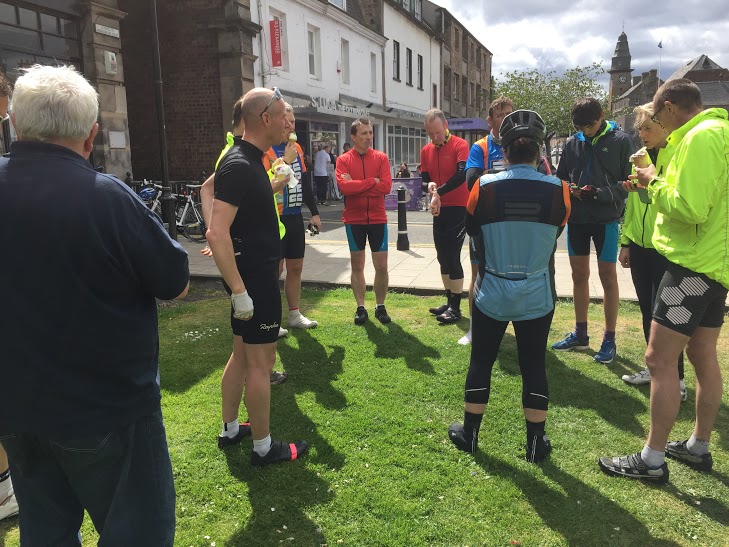
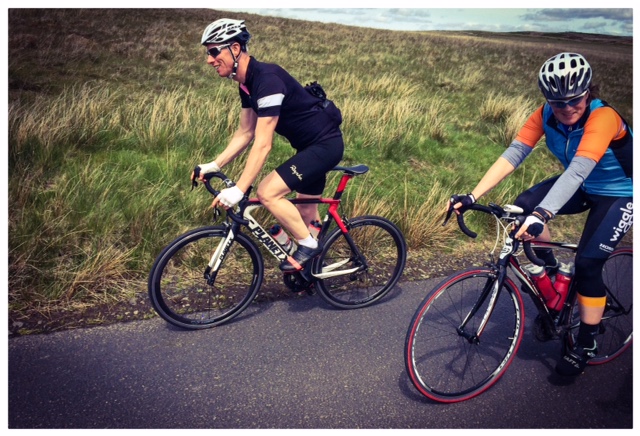
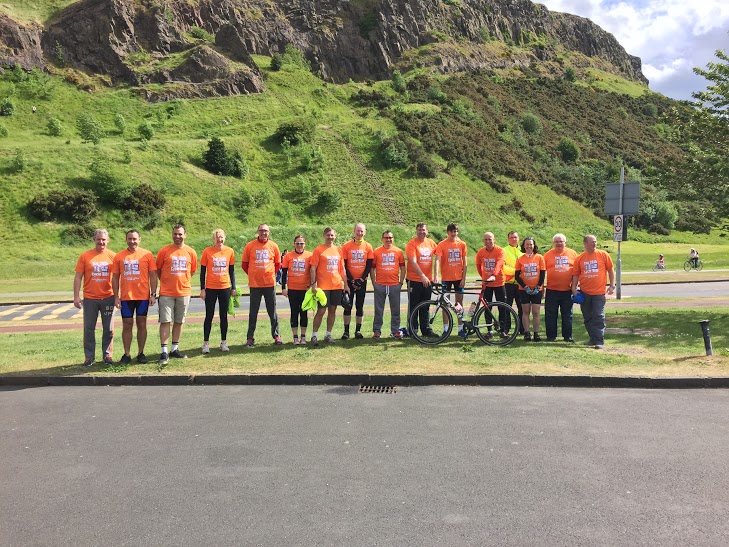
    So I was pleased to be invited to spend a whole weekend with some of them, riding 150 miles.

    You know you must be doing something right when they're happy for you to see them in lycra.

    IMG_0917

    Not to mention share a jacuzzi in the hotel after day one.

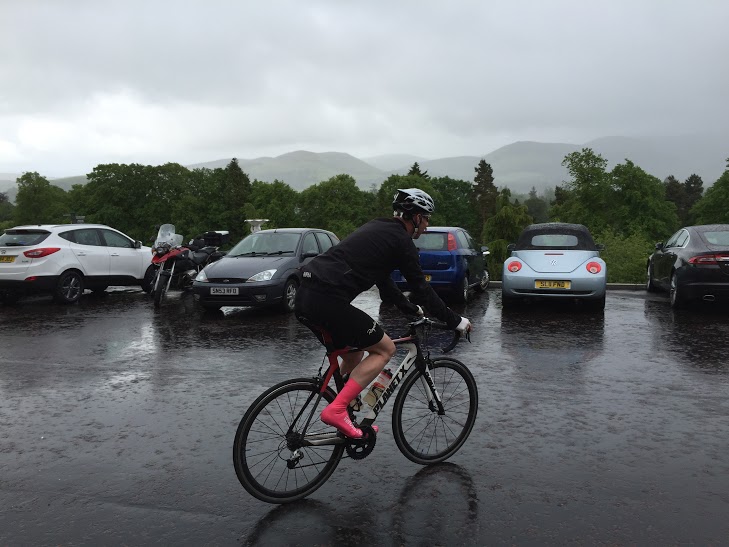
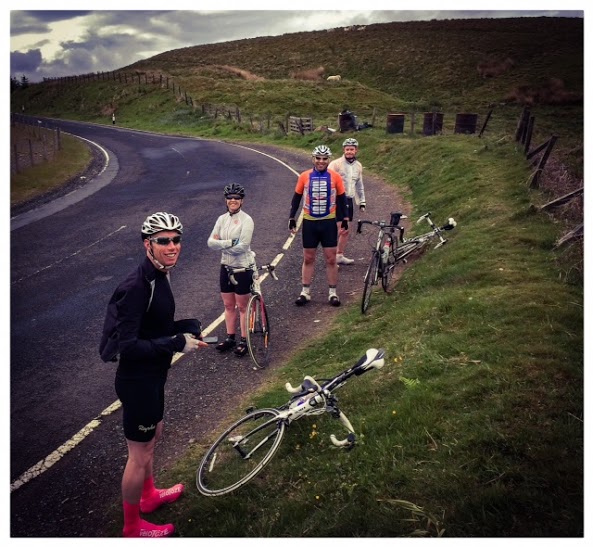
    That said, they were a little incredulous at the pink overshoes.

    IMG_0822

    IMG_5784

    To quote the commercial director, "What the fuck are they".

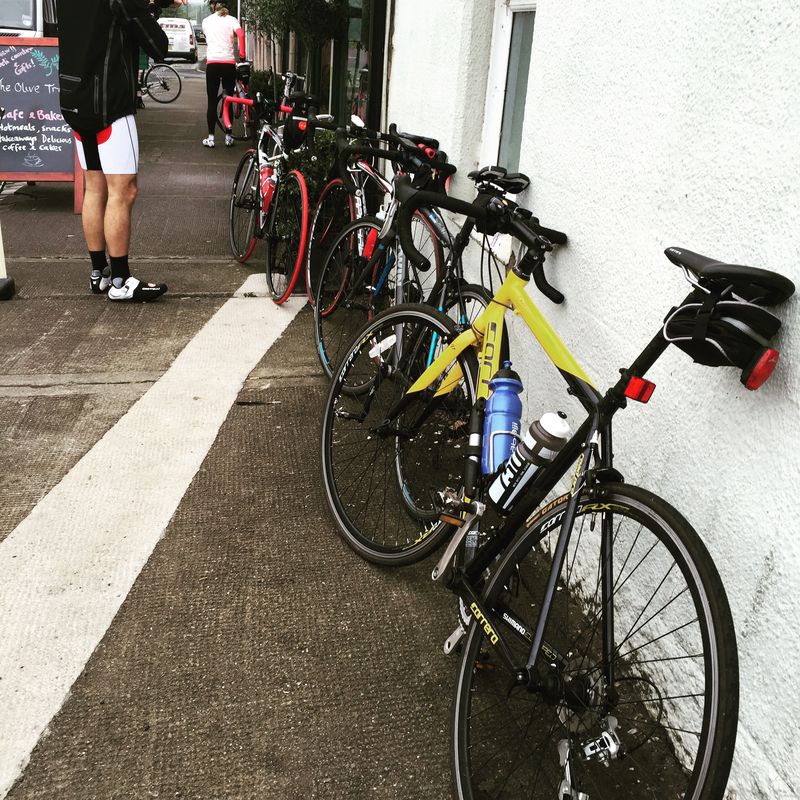
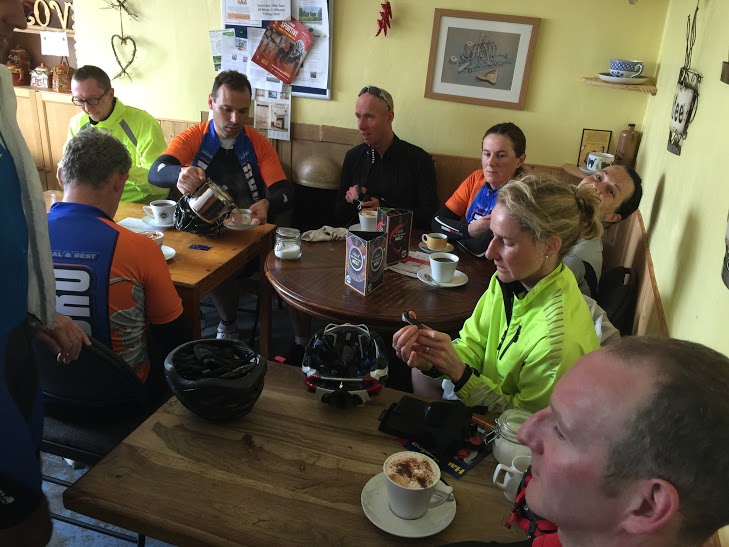
    There was the cafe stops.

    874

    IMG_0848

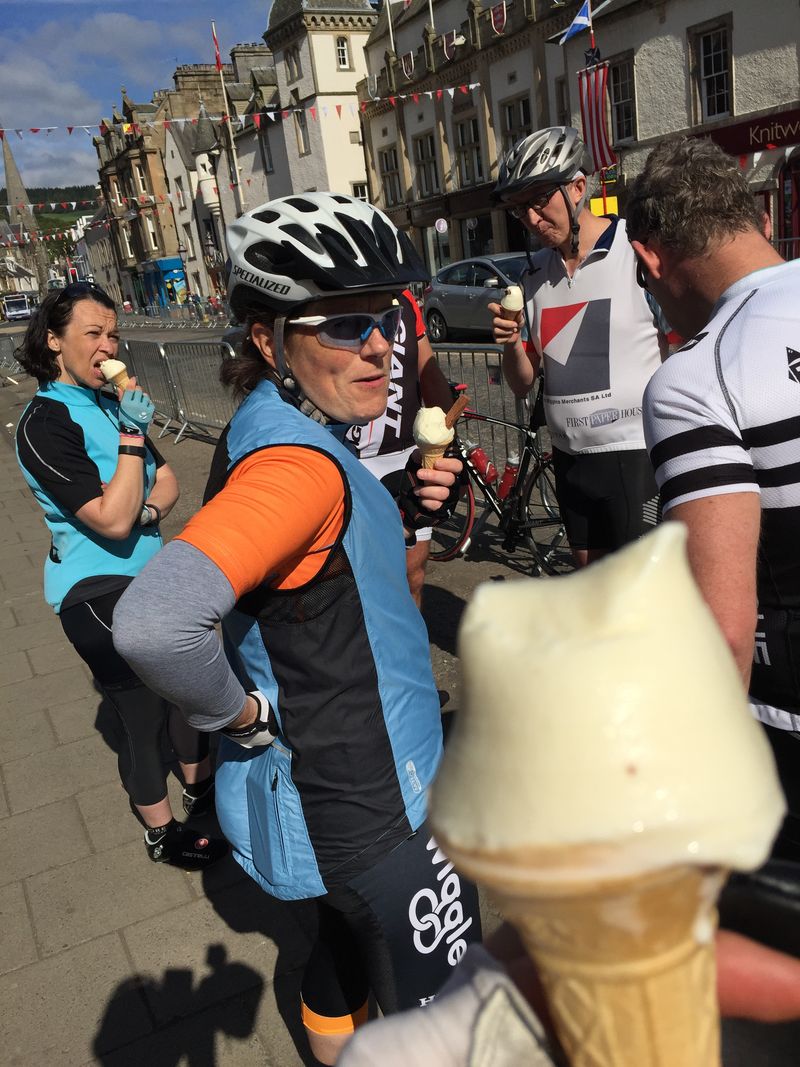
    The ice cream stops.

    897

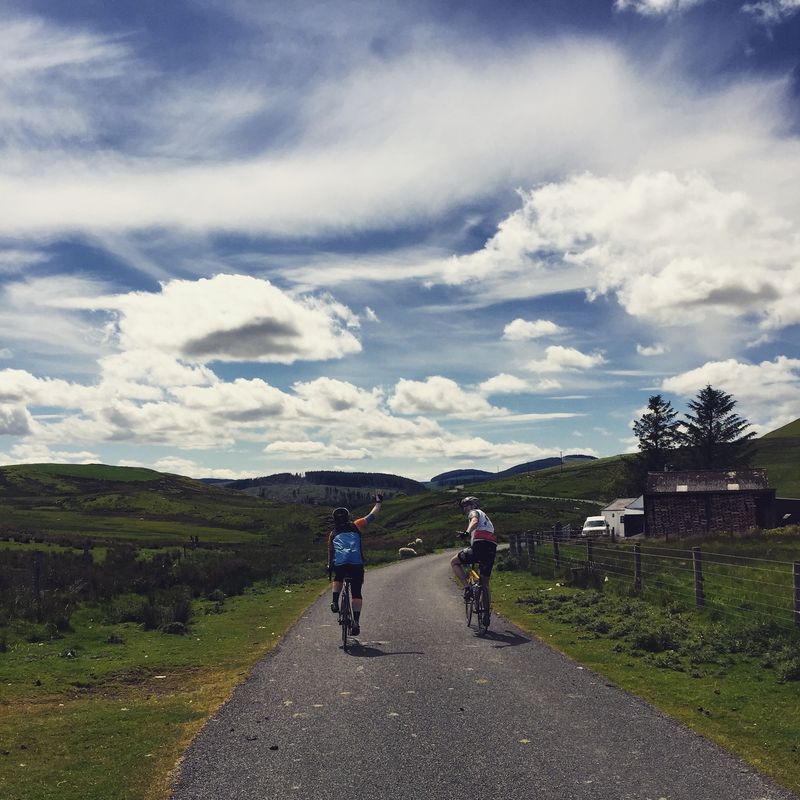
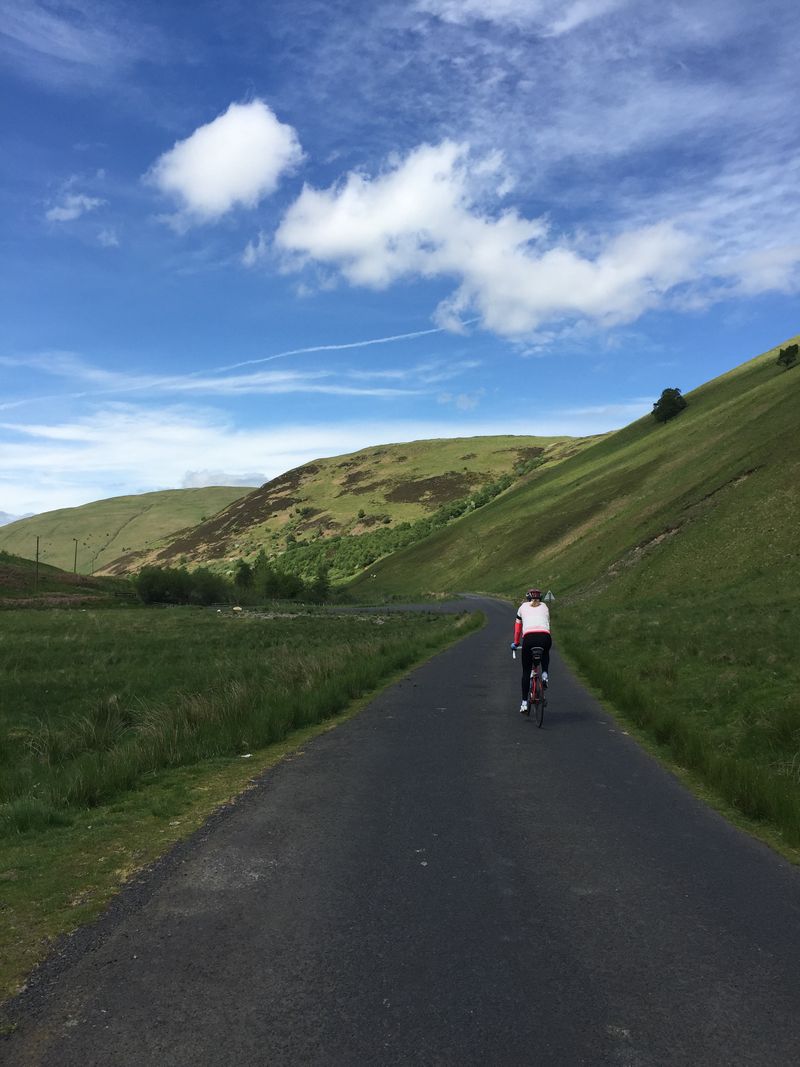
    The amazing landscape in the Scottish borders.

    883

    887

    IMG_5792

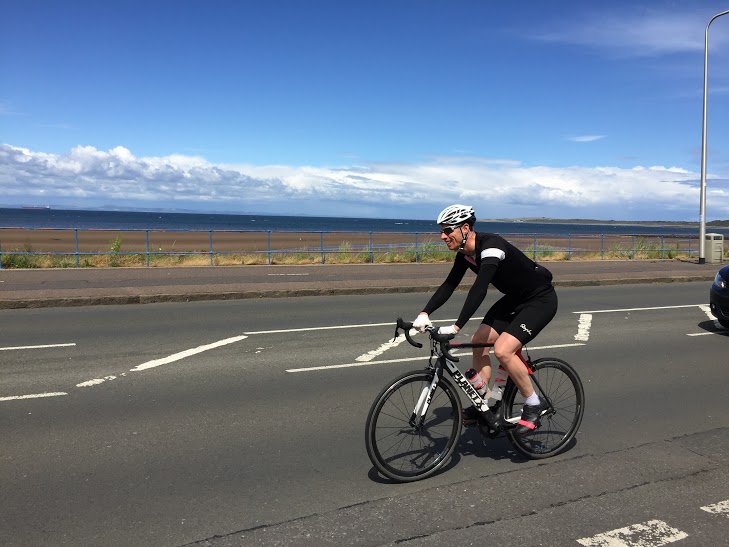
    The sea on the run up to Edinburgh.

    IMG_0901

    What wonderful people.

    IMG_0930

  • If you're buying outdoor in general, it's one message and that's it.

    You have a few seconds, no more.

    If folks take out one message and know who it's from, you've done your job.

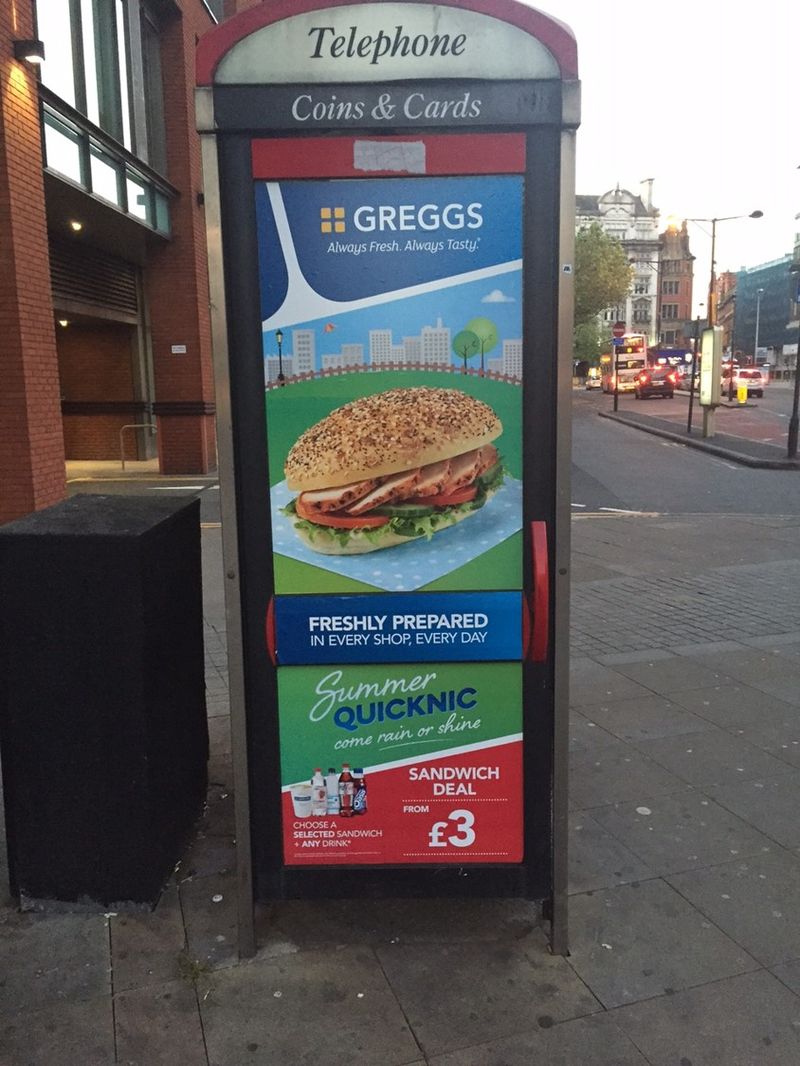
    With 'Street Talk' stuff like phone box's you have less. These are mainly for getting for people on foot in their day to day.

    The ad I saw (below) really doesn't do that. Intentionally or not, it's three messages.

    Six pic

    "Always fresh and tasty"

    "Prepared in shop everyday"

    And then a promotion to activate in that order.

    The first has no place on street talk really, especially if they're trying to activate footfall.

    The second is a very valid 'quality message' that gives me a reason to think "Might try Greggs today or soon".

    The third MIGHT make me go in today to take advantage of the promotion, but I won't have noticed it.

    Either the client has insisted to put in multiple messages.

    The agency can't help trying 'brand stuff' in what is response stuff.

    Or one or both hasn't a clue.

    Now here's Oasis, with a 6 sheet, who are activating 'thirst' at point of need with a personality wrapper -rather than confusing brand with activation.

    Oasis

    Scratch that, they've realised that single-mindedly tapping into a needs and doing it with the right tone and wit can deliver crisply – doing a longer term brand job as well as 'activation'

    Just saying.


  • It's a little before 5am. My Dad is gently shaking me awake.

    In 5 minutes flat, I roll out of bed, put on my clothes, picked up my swimming bag and get into his his Ford Sierra while he scrapes the last of the ice from the windscreen.

    It is minus four, which is really cold for the UK. The radio comes on and, as usual, Dad has put on Radio 2 and it's a slightly mad bloke doing the 'Bog Eyed Jog'.

    I am thirteen.

    Half an hour later, were at the swimming pool in Leeds city centre. Dad makes his way up the balcony with his flask of coffee and the paper.

    I get changed as quickly as possible, the heating hasn't come on yet. Diving into the pool doesn't offer any solace though, it isn't heated either.

    The only thing recourse is to train as hard as possible.

    It's a delicious feeling when ice in your veins begins to melt and you go from a little warmer to wonderfully toasty.

    Two hours later, I will be totally spent and feel like a mini furnace.

    As a do the various reps within the session I look up to Dad.

    His attention constantly darts between the paper and his son slogging his guts out in the pool.

    Only years later will he tell me how proud he is of me.

    Not the winning, which happens a decent amount.

    The trying.

    The determination to train everyday, twice a day.

    Getting up in the freezing dark.

    Bolting down a hurried evening meal after school, crashing through homework and training again.

    He knows there isn't a day when my body doesn't hurt.

    And I will tell him how it felt to know that when I looked up from the pool, he was always there.

    Just like before every race, he was always there.

    Just like when I didn't have any money, he was there for me, not judging, just helping.

    How he never told me what to do at the big moments.

    Jobs that mattered.

    Getting married.

    Having your heart broken.

    The twin joys and terrors of becoming a parent.

    He just talked about what it was like for him and what he did.

    The rest was up to me.

    When I got beaten up by a mental chef working in a hotel one summer, I only found out months later that he had to physically restrained from driving up to that kitchen and trying to knock his lights out.

    We weren't speaking all that much at the time.

    The usual headstrong boy/man and the puzzled Dad wondering where his little boy had gone.

    But he was still there for me, even when I didn't know it.

    I don't think you see the person your parent is until you go through some of the same stuff.

    I only understood what it took for him to take me morning training and then do a demanding job.

    As a child you love your parent of course, it's biological.

    It's another thing to become friends with your Dad and admire him, to want to be him.

    And I want to be like my father.

    There are things happening in mine and Juliette's live to do with her Dad right now.

    I'm very close to him too, but it reminds me to make the most of my, quite old, Dad and make sure he knows how I feel.

    He tells me these days he's just as proud of me doing something with cycling now as he was when I was a swimmer.

    He was the first on the phone my I broke my wrist crashing into a car.

    He was there when our first son was born with an infection that nearly led to meningitis.

    He's always there, he always was.


  • As I may have mentioned, we're having a not okay time at home.

    To the point where I'm not that interested in extraneous stuff that much.

    But you need an outlet.

    Hence I'm posting the odd thing that isn't much to do with work  -but if you want planning stuff scroll down to the end.

    Swimming used to be my outlet, still is a little, but it's mostly pain and suffering on my road bike.

    Because as a busy, working Dad, it's just easier to use where getting to where you need to be as training.

    I seem to love agony. I couldn't tell you if this was nurture – 6 daily hours in a swimming pool as a boy.

    Or maybe I'm naturally someone who needs to suffer.

    And I think it's great training for the job, and character in general.

    Like I said, we're having a difficult time, but I'm the one that keeps it going.

    That tends to happen when the job get's tough.

    Just like being able to take one length, or mile at a time, it helps to take one day at a time.

    And nothing focuses the mind like a goal.

    And right now, doing something else that isn't 'reality' really helps.

    So, with that in mind, I'll take you back to last June.

    I was planning to do a 70 mile ride very fast.

    70 miles isn't that far, but it was the speed I was looking for.

    I had trained hard for it. Weeks of pain.

    Then the night before I fell off my bike and badly hurt my arm.

    So I was forced to watch mates at the finish line the next day, quietly seething.

    The anti-climax, the disappointment.

    Not good.

    So this was going to be the year.

    I got a new bike in January, a terrifyingly fast race bike.

    With gears much too hard for my puny legs.

    But I would grow into it, train into it.

    I used to find when I was swimming, the best way to get better was to train with older kids.

    First is was pure agony just to not get dropped completely.

    No rest between intervals. Pain and suffering.

    Then slowly I would get within touching distance.

    Then I would start to find I wasn't last, then halfway up the chain.

    And when I raced with kids my age, it paid off.

    Just as I got better at tennis by playing with kids much better than me.

    First you want to duck their cannon ball serves.

    Then you get a couple.

    Then you start smashing them back.

    So that was the plan in January.

    I (humbly) told anyone that cared I would grow into the bike.

    And try do the ride in under four hours.

    That doesn't sound like much, but an average of 17.5 miles per hour with a couple of really big hills felt like it was pushing it at the time to me.

    And then I broke my arm.

    Knocked off the bike by a driver that wasn't looking where he was going.

    And lost two months training.

    I also lost a lot of confidence.

    I've had the usual crashes, but after breaking my ribs in November, this one really hurt.

    Not to mention the frustration at losing what I love for so long.

    When I got back on the bike I discovered two things.

    First, my legs has lost a mass of power, a tough bike had become a torturous.

    Moreover, I was afraid.

    I was pulling back when I got up to a decent speed.

    So I embarked on a mental training regime courtesy of Strava.

    Every day I got challenges on email based on where I needed to be.

    Lots of intervals, lots of long sprints, lots of hills.

    All designed to break me into little pieces.

    All at 7am, the only time a really have.

    Nothing has hurt like it since I was a competitive swimmer.

    In fact this hurt more.

    There wasn't a day my limbs didn't really, really hurt.

    I resorted to doing sports massages on my tired legs -which meant more pain.

    I drank a lot more coffee and little less tea.

    And gradually, the bike got easier.

    I got stronger and the fear went away.

    Put the pain never stopped. Because you just push harder.

    Then two weeks before the ride, Juliette's father fell ill.

    Very ill.

    He loves cycling.

    He was looking forward to being at the finishing line

    He's also as close as you can get to having a second father.

    It hit me nearly as hard as it did Juliette – but I was the one to carry on with everything.

    But we agreed we would do the riding day anyway.

    It finished at the beach and we had promised the children the day out.

    Juliette knew I had worked so hard and what it meant after the hurt arms.

    But the reason we went ahead was we knew he would be furious if we didn't.

    So I got to the start line with a couple of mates.

    On the understanding I would drop them pretty much straight away.

    Because I was going to do the fucking time no matter what.

    After all the hurt.

    But now, because I felt he was riding with me.

    And the first half felt good, really good.

    I didn't understand why, but I was way ahead of pace I needed.

    I was zipping past everyone and didn't bother with big drinks stop after 35 miles.

    But one of the stewards did.

    Which mean I went the wrong way.

    And after another few miles, I realised this wasn't right and went back a little, to find others who told me they were sure this was right.

    So I turned at sped back.

    But it didn't feel right and I phone the helpline, who told me I was way off course.

    After last year.

    After the broken arm.

    After the agony of training.

    After wondering if we would even be doing this.

    There are moments when you decide to give in.

    Seriously, fuck it. Whatever.

    Or you carry on.

    A meaningless bike ride that seemed to mean everything.

    I sprinted the 12 miles back to the route.

    In time for a vicious hill.

    Waved at my mates as I climbed past them (they had no idea what the fuck was going on).

    And then sprinted the last 25 miles.

    Anger is energy. There is much to be gained from being totally pissed off.

    It certainly pushed me along.

    Until everything changed.

    I felt like I was flying.

    Yes, this was what mattered.

    The bit when you're mind and body work together.

    When you're lost in the moment, both inside and oblivious to the situation.

    Flow, wonderful, glorious flow.

    Yes, this is what it' all about, this.

    10 miles to go. I was actually smiling.

    My hamstrings began to scream.

    I went faster.

    The flat turned into one more hill.

    Faster.

    I could smell the sea.

    Even faster.

    Snot coming from the nose.

    Soaked in sweat.

    Faster.

    And then 1 mile to go.

    Sprint, let it all go.

    Go the wrong fucking way with 200 metres to go, end up down at the beach.

    Sprint up the cobbles.

    And then I see wife and children at the finish line.

    It's over. I need it to be over.

    It hurts.

    I don't want it to be over.

    Come off the bike.

    Can't walk.

    Drink a litre of water.

    Get handed a cup of tea.

    Hug proud family.

    Think of father in law.

    Look at the time.

    79.2 miles per hour.

    And average of just under 20 miles an hour for four hours.

    I didn't think that was possible for me.

    The fucking pratfall detour has actually turned into a sweeter result.

    Did the time, went even further.

    Pride, relief.

    And, for a little while, being away from everything that was going on.

    Just me, my bike and him riding with me.

    A meaningless ride that meant everything.

    Later, when father in law found our what happened.

    He grinned from ear to ear at the result.

    And laughed at the 'detour' so hard  the nurses got worried.

    It was worth it just to make him happy.


    You will care little about any of this.

    And I don't really care about planning stuff right now.

    But I still think there are a couple of things to apply to the day job.


    You have to put the work in.

    If you take yourself way to a place way out your comfort zone, eventually it becomes your comfort zone.

    Hang around people better than you, until they are not better than you.

    Then hang around new people who are better than you.

    Welcome pain, suffering and setbacks – they pay you back in the end.

    You're much better than you think you are, you only need to do the work.

    It's only a fucking job, if there's one thing I've learned recently it's that it really doesn't matter.

    Find something you love that isn't work. 

    Anyway. 


  • The internet is ablaze (sorry for the pun) at fate of a young, sweet innocent girl was burned alive by her parents, in service of fanatical religion – on a fantasy drama series you'll be familiar with. You'll know what I'm talking about it you've seen it, if not, you've been saved the spoiler.

    Some are understandably up in arms at the torture of a character many took to their hearts. Others talk, in sophisticated terms on the value of getting people to question their belief systems and showing the unvarnished truth about religion, medieval times and so so.

    I must say it affected me, but for very simple reasons.

    I used to get annoyed at parents in research who could only talk about their kids.

    They framed every experience through their experience with their children.

    I didn't understand this but I do now.

    Nothing changed my life like having my two of my own.

    The unconditional love is so fundamental. I can't think I wouldn't do for them if required.

    They know, and will know for the rest of their lives that, when it comes down to it, if they needed me I'd drop anything and be there to do what is required.

    Which is why the made scene of a girl being burned at the stake by her parents is so shocking, I'd rather burn MYSELF alive. Not my little girl.

    But it's not just that.

    My eldest is five and is still holding on to his innocence, but you see the cracks.

    But Evie, my Evie.

    She's three and such a sweet little innocent little thing. You fight a doomed battle to preserve it, knowing it's only a matter of time, but utter trust in you always being there never goes away.

    Breaking that trust is unthinkable. And the faith doesn't go away when you grow up.

    Juliette's Dad isn't very well and, while intellectually you know they won't always be there, the emotional reality really knocks you.

    With both my kids, especially my eldest actually, I see so much of myself.

    They're both so INTERESTED. They're quick learners, they love books, they have this total love for whatever they're into. Right now it's sharks, and we read endless books about them, and Will draws these amazing pictures of every species he can. If he loves something, he has to draw it.

    It makes me feel responsible, as this came from me.

    Juliette says she sees Will's eyes glaze over when they're chatting and she knows he's away daydreaming.

    Like his Daddy.

    We know that he, and to a lesser extend her will end up quite sensitive, kind and little bookworms.

    We know we need to protect this is and help them with introversion, while absolutely letting them know how proud we are of them as they are, and their interests and passions should be respected and developed.

    This in a world where they're going to have to compete like never before.

    I see an army of ferociously well educated children already readying themselves for the dwindling jobs and prosperity. I see a world that sees the cost of everything and the value if nothing.

    It's my job to help them through this, but keep who they are intact. No, to flourish.

    That's why burning your child in a fantasy show affected me. Because that innocent trust is the most fundamental thing in the world. It becomes your world.

    There's conflict of course. In my case the obsession with swimming and cycling, wanting to read and watch stuff and the realities of being a planner that is better for their upbringing than it is for being a planner.

    There needs to be some balance, but the scales will always tip in favour who I really am.

    Their father. 

    We're really close. I'm a very tactile parent. We hug a lot, we tickle more. I dread the coming years when they start to pull away.

    Right now a single kiss can be magic. It can make everything go away. I can make them believe that when I snap my fingers, my nose will beep when they touch it, and their will honk.

    I quail at the time when they're teenagers when we laugh together less and they laugh at me more. When they do the whole rejection thing. I can't imagine yet the pain of reaching to take a hand and only grasping empty air.

    It will come.

    Which is also why I get annoyed with so much advertising around parenting.

    Much of the themes are the hard work, the 'job aspect'. The joy in sacrifice. It's true, it's bloody hard work.

    But it seems to miss what most parents (this isn't just a view, decent research seems to corroborate this) want to feel.

    No parent has a child because they want another job.

    It's about love, it's about a relationship, it's about playing, it's about the watching someone grow and helping shape how that turns out.

    There's some insight for you if you like, I suppose.

    So yes, all that from a burning child on a fantasy show.

    I'm off to call my Mum now, I suggest you do them same.