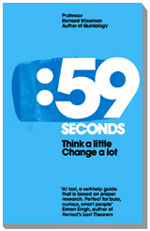
I mentioned I'm reading Richard Wiseman's 59 Seconds. Mostly in the cause of learning about brevity and some psychology quirks to log for a brief one day. However, lots of it seems quite useful.
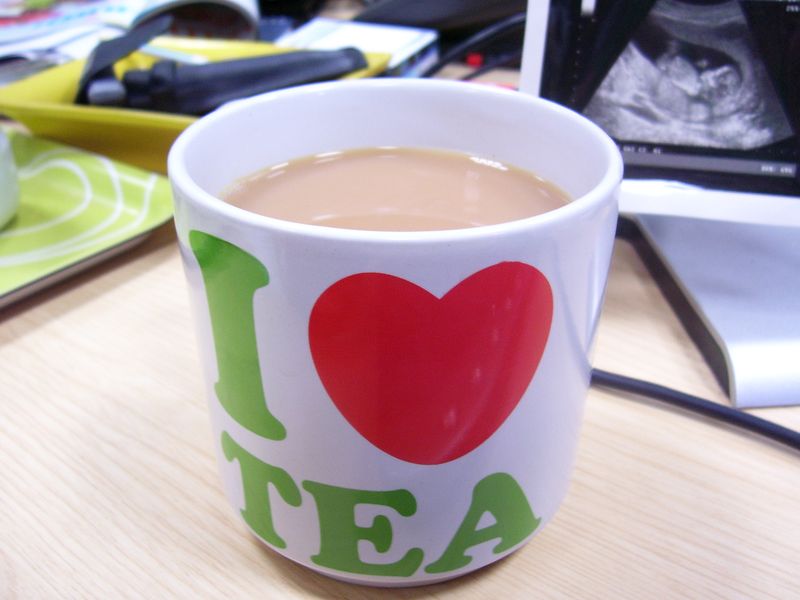
There's stuff you already know, like performing small acts of kindness can make you really happy – I'm well up on that score with the amount of tea I make but I'm sure I can do better.
One thing I like is getting into the habit of counting your blessings. Taking the time to appreciate the perfectly brilliant things in your life that get taken for granted.
For example, it amazes me how wer'e becoming used to things appearing in our lives that seem almost beyond science fiction and pure magery. My Ipod not only stores most of my over-large CD collection, I can get to any track in two seconds, I can create any playlist for any mood, I can even shoot a quick video and share it with the world in 15 minutes.
I grew up with cassette tapes and vinyl, even 10 years ago, what I can do now would have seemed pure fantasy.
And then there's moving jobs. Every day I have at least an extra two hours, for more swimming, more Will
and anything else I want. Yet I'm already getting used to it and moaning about having no time.
And then there's making the effort to write down thing that went well in your day, every day for a week. Think I might have a go at that.
So here's the first episode.
This morning I got up at just after 6 and went swimming. It was one of those mornings when I really wanted to just sleep in, but managed to haul myself to the pool. Only to find the fast lane dominated by a huge, twenty something powerhouse who looked very, very fast. Being slightly competitive, I hate swimming with people who are much faster than me, and I don't like getting in people's way.
But when I got in, I found that while I wasn't quite keeping up, he wasn't quite pulling ahead much either. It was little victory of age over beauty, but to be honest, it was just nice to know that I'm faster than I think I am.
Not to mention I did 1,500 meters in 20 minutes. That's the fastest yet this year, and, to be honest, the fastest I've gone since I was 20, mostly down to the fact I didn't do 1,500's if I could help it, but also because my body's beginning to do what it's told.
Heat 2 tblsp of olive oil in a large pan and fry two chopped onions, I peeled, diced carrot, 2 sprigs of thyme over a medium heat for 4 minutes.
Add two peeled and diced sweet potatoes, a can of chopped tomatoes and can of coconut milk, 250ml of vegetable stock and a bay leaf.
Add a teaspoon of west indian hot pepper sauce, bring to the boil, then cover and simmer for half an hour. 20 minutes into simmering time, add a drained can of black eyed peas.
Then serve.
For thicker soup, blitz half in blender once it's cooked.
Why do the Americans get these great Coke Zero ads and we get utter dross?
No macho rubbish, just plenty of wit, story and characters all based around a truth (that came out research), Coke Zero tastes like the original. It might borrow from Orange Gold spots but who cares?
Next tells you 'do a brand ad' show them this. There is no good reason not to start with product/brand truth, hopefully a truth about how real people use/think about/feel about the product/brand and work outwards. Failure to do this is either down weak thinking, weak product or silly thought processes.
Of course, these will generate all sort of brand equity scores etc, but they engage and entertain you into believing that Coke Zero tastes the same as Coke original. And feel a world apart from the macho antics of other brands (and Coke Zero in the UK)
We're men and drink Pepsi max, it's not diet drink for fairies.
The more you try not to think about a problem, the more it gets lodged in your brain. Here's an experiment. Don't picture Rob Campbell in a Tutu, Don't think about it, don't imagine the matching leggings and pretty ballet shoes. Go on.
That's going to ruin your weekend.
The more you try not to think about chocolate, the more the stuff gets stuck in your mind.
In other words, there's no point pretending something isn't happening, or everything's okay. It just makes it worse, rather than finding a way to deal with it.
That's what certain agencies I could mention don't seem to get. If there's a rumour, an issue or some bad news, there is absolutely no point not being straight and fair with your staff. It will only stress them out and make things worse.
As a down with the kids, digital native, trend settingm finger on the pulse plannery type person, I do all social mediary, bloggy, Facebooky, Diggy widgety type things you would expect.
But the things that stood out the most for me recently was two simple bits of post. Someon put a little note in with a book they sent me, which was nice…to see the hand writing and picture the office it came from (from my old desk).
The other was a little package containing a leaving present – a block of Norwegian chocolate, a few Earl Grey tea bags and a little post card. It was from a Norwegian friend at old work who'd got dates mixed and missed my leaving date. Made me feel nice on my first day, slightly shy, nervous and stuff.
You can be thoughtful over t'interweb of course, but nothing's as intimate as something you can touch, that's been handwritten. Don't exactly know why, that's just how it is. So I'm very grateful Ben's invited me into Newspaper Club. Not entirely sure what a Northern Newspaper will include yet, any ideas? Not sure who would want one either, apart from Mum of course.
Now, if the postcard has a Ztam.p on it we'd really be in business. Anyway…..
She also took the opportunity to share the news that she's in my old desk and making tea properly. So that's good and the desk couldn't have gone to a nicer person (I miss my old department, despite the bullying over drinking coffee).
Anyway, I haven't had a chance to read it, obviously, since it arrived today, but I wanted to see how good he was as compressing useful stuff into digestible, doable chunks, since that's what I'm supposed to do for a living.
There's a good little epilogue at the back, very Behavioural Economicsy. There's a short paragraph that advises you get suspected liars to email you, people are 20% less likely to fib if they have to commit it to paper. I knew open plan offices were daft. I'm going demand my own office and shiny Yale padlock.
What's the business objective you're contributing? It's best to agree that as specific return over an agreed period of time….grow sales by 5% over the next three months, increase market share by 3%, generate £x million of revenue over quarters 3 and 4.
That gives you some big questions to ask and enables you to makes some judgments on the COMMUNICATIONS TASK. Where will this share, revenue come from? What audience? How many of them will we need to involve ourselves with?
Fundamentally, are you looking to get growth from existing users or new users?
If it's existing, are you maintaining loyalty? Increasing frequency? Turning them on to new variants?
If it's new – are you wanting to spur considerers to buy? Are you wanting create consideration?
This should lead you to understand what you're really doing – increasing brand awareness, altering brand perceptions delivering new news, justifying price, encouraging trial or whatever.
When Sainsburys asked AMV to help generate £1 billion more revenue, AMV had to decide of this should come from new customers or existing. When they broke down that revenue target, they realised that all they had to do was get an extra £1 from every customer visit. £1 billion sounds terrifying, £1 pound per visit from existing customers sounds very do-able.
Carex realised a few years back they could reach share targets by getting existing users to wash wash hands more during the day.
Break down the numbers into chunks that make it real. That will give you the communications task..
Encourage existing Sainsburys shoppers to spend an extra £1 every time they visit.
Get existing users of Carex to wash their hands more
Or Nike who needed who saw that growth would come from inspiring the same loyalty in women as they did with men.
Much of this should be in the client brief, but you would be amazed at the number of briefs that leave this out.
So this leads you to the target audience. You're answering two questions:
1. To whom will the communications be addressed?
2. What do we know about them that will help us?
It's critical because you need to understand them in depth, their relationship with the product, brand and design messaging, style, experience etc accordingly. They may think the product is great, but there's a problem how they perceive the brand. They may not have heard of the brand, they may not be using the product as much they should/could.
It also matters because you need to find the right way to engage with them and, when it comes to measurement of results, doing that with the right people.
You can define them demographically (ABC1 mothers aged between 25 and 35), attitudinally (real women who like fashion but don't take it too seriously) or even behaviorally (women wish they had the time to look good everyday, but can only make the effort the beauty regime requires on special occasions).
In the end, you're looking to answer- which group (s) can we influence that is BIG enough to deliver against the business objectives.
When it comes to understanding them - core questions tend to be:
What kind of people are they? What are their lives like? It helps to imagine a typical person and bring them to life in visuals and words. This is where TGI can be useful and other big, panel surveys, - you can mix demographics, attitudes and purchase behaviour in any way you like and will quickly tell you what size of audience you're dealing with and loads of other useful stuff about media habits etc to help you engage with them.
A word on TGI and developing audience definitions though – you need to have a think first. TGI always works best if you have a hypothesis of who you're after and then use the various statements to see how big that audience might be. For example, if you're launching a mass market naturally sourced product, there's no point going after people who only buy food with no additives for example – intuitively, the audience will be too tiny. Have a think about who might be interested in your product, and what they might be interested in, and have a play. Think about TGI qualitatively and let th data prove or disprove your hunch/point.
Another thing to think about here is that you shouldn't stop with TGI generalisations. That will only get yu to a point when you know you've got an audience of the right size, interests, behaviour and attitudes. That will only get you to stereotypes, cliches and banality. This is where you need to start looking for insight – something you know about how they relate to/use th product/brand/category that no one has really addressed before.
Going back to Sainsburys, they found that their audience tended to sleepshop – stuck in rut, bored with buying the same old stuff without the tools or courage to try something different.
Honda found that they needed to make the brand interesting. Once people test drove the car, they tended to buy, but it just didn't occur to them.
Nike found that they had lost their credibility with serious athletes.
Axe found that to increase frequency, they had to inspire users to use it in the morning.
VW found that considerers wanted a Golf but compromised with a less good imitation to save money.
At it's best, this part of comms planning finds the right audience, frames the objective in terms of what you want them to do, know or feel that they don't right now and presents the opportunity then get where you need to.
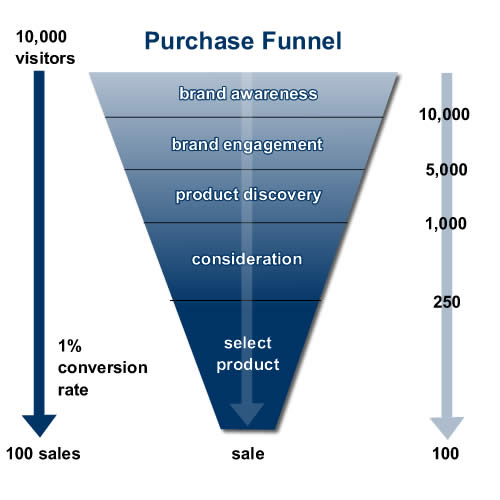
A useful tool is to lay out the purchase funnel – lay out the target's unique decision process and figure out which point you can best influence. At each step, ask why someone will fail to make the transition forwards, what can communications do about it…
Read what they read, be them for the day, but at the end of the day, you can't beat going out and actually meeting them in their environment. Think about how the product/category fits into their life, or where it could fit in – work out the true culture around the category.
I really love the relaunch of Old Spice. Of course, young men spray to confidence in the mating game – but in all aspects, the try too hard. What they seek is experience, they want to be seen as experienced and to get some.Rather than macho men with something to prove. Which neatly fell into the lap of th brand – "If your grandfather hadn't used Old Spice, you probably wouldn't be here".
That will do for now, more later. Is this making sense? Useful?
You may know I've switched jobs. You tend to move for 'big' things – money, culture, new challenges, location, work life balance, your last place gave you no choice. But what matters in your first few days/weeks is the small things. Top 1o things I think you really need to know when you start a new agency are:
1. When is payday and have I joined in time to make this months payroll?
2. Where is the kitchen?
3. Where do I get stationary?
4. What are the REAL hours?
5. Where is accounts? How do you claim expenses?
6. Who and where are traffic (they know everything and you should get to know them quick)?
7. What are the cliques and friendship groups (they are always there)?
8. Where is IT, what are they like? Where is everything on the system?
9. What do people do for lunch? I want to join in and stuff (assuming anyone takes a lunch!) but I don't want to be pushy and I'm shy. Will people think I'm arrogant if I keep to myself?
10. What's the best route to work and back? How long does it really take?
Walking through the door is always a leap, especially when you're shy. The tour around the place is always awkward, people sizing you up, trying to think of something to say to everyone, knowing you'll immediately forget everyone's name. I hate the royal family but you've got to admire the way they do the endless meet and greets without cutting their hearts out with a blunt spoon.
So I've quietly been getting on with training for the Great North Swim. Working out my notice at TBWA helped getting in the swing of things, amongst thinking about women's hair and chickens (not at the same time) I progressively had more time to, in the first instance, have a lunch break of sorts, and then really long lunch breaks.
The first few sessions we're the same. 800 meters warm up. Swim 1,500 meters (nearly a mile) as hard as I can. Rest for two minutes, then swim 800 meters as hard as I can. It was all about baking some endurance into muscles that were not only used to not swimming as much as they should, they hadn't been asked to do long distance swimming much at all, ever.
At first, just getting through the 1,500 has been tough, at around 1,000 everything started getting ragged and progressively worse. The 800 was a nightmare.
It's always odd when you do your very first session. It's at once depressing finding out how bad you are and exhilarating to be back in the routine, knowing you're going to improve, anticipating the day when the hurt begins to fade a bit and you have space to REALLY train, looking forward to weird trance like state when you're at one with you're body, not really thinking, totally lost in it. Not really present, but in the moment more than ever.
That's what most swim races were like for me. The odd trance state thing. I can't really describe the build up or the race, but I can vividly remember how it felt to finish. Weird that.
Anyway, eventually there was the session when the pain still kicked in, then went away. It's been like that ever since and I'm getting faster. Little niggles in the stroke are getting evened out. My elbow wasn't high enough on the left, meaning my head came too far out of the water when I breathed, meaning my legs kicked too hard to keep balance….little things, small corrections.
This week I'm going to introduce some speed. 50m sprints, probably 20 of them with 10 second rests in between. I'll need that at the start and at the end. When open water races start, it's crowded, a bit of a free for all, you get elbows in the face once or twice. I want to pull away from as many people as possible. Then at the end, I don't want to limp home, I want to get that extra zip in the last few hundred meters, it will feel good and I fancy overtaking people at the end, no matter how badly I've done.
I'm going to experiment with some medleys (a length of every stroke).They get the heart pounding and it will stop any muscle imbalances developing – the problem with doing front crawl all the time is that you can't help using some muscles on one side more than the other. It doesn't matter over short distances, you breathe every three strokes, alternating sides…but that' not possible over long distances, not for me.
Anyway, if you're not bored by this, I might resurrect Tired is Stupid. I never did that properly, but the three people who read it liked some bits of it.




 NORTHERN PLANNER