It's quite fashionable at the moment to dismiss research as worthless, limiting or the enemy of creativity.
Despite a sneaky suspicion that much of this comes from those who want to avoid doing the kind of hard work that creates amazing work that has an effect, rather than just amazing work, one can't help but agree.
Most research is crap. But's that's not the fault of 'research' the problem should be placed firmly on the slim shoulders of poor researchers and the ones who commision them.
The most incredible, game changing ideas – in communications ideas or even better, actual product and market innovation, have mostly come from a deep and intelligent understanding of people and what they were doing.
Not from asking people directly what they wanted, or what they thought of a new idea- it came from understanding situations.
Apple didn't ask people if they wanted an Ipod, but Steve Jobs understood that people still wanted 'mobile' music but found it incredbly difficult to liberate the hundreds or thousands of songs from their CD's and stuff.
In that famous John Steele, Porsche case study, no one TOLD him what was stopping people buying Porsche's- being thought of as a rich douchebag. It came from the disconnect connecting between the insight that people thought of Porsche drivers as douchebags and the fact that even rejectors in test drives couldn't stop talking about the thrilling drive, rather than the 'image'. Hence repositioning Porsche drivers as driving enthusiasts.
The same man, found that you could increase sales of milk, not by promoting 'milk', but by promoting the situations milk was essential for – with cookies, cereal etc. And 'Got Milk' was brought into the world.
I guess what I'm saying is that good research is about uncovering situations – great problems, gaps, issues and tensions in real lives, not artificial segmentations. That can be with data, qual research or, even better, going out and talking to people in real life situations. That's not hard, it's just hard work.
Then it's the leap of creativity or imagination to fill that gap. To change the situation.
Here's a mundane but very telling example. In EVERY test of popcors eaters in cinemas, people with large buckets ate 53% more than those with medium ones.
Not everyone finished the buckets by the way, so it's not that the people with medium buckets ran out, it's just that if you give people a larger portion, they'll eat more.
So if you want to reduce obesity, it's better to directly alter the situation rather than mess around with 'perceptions' of fat, greed and health, just reduce portion size.
Just like the wierd example in bars, that people with different drinks, say a half pint and pint, finish their drinks as the same time. The perception of how much we have to consume directly affects how MUCH we consume, how fast we consume and how we feel about it.
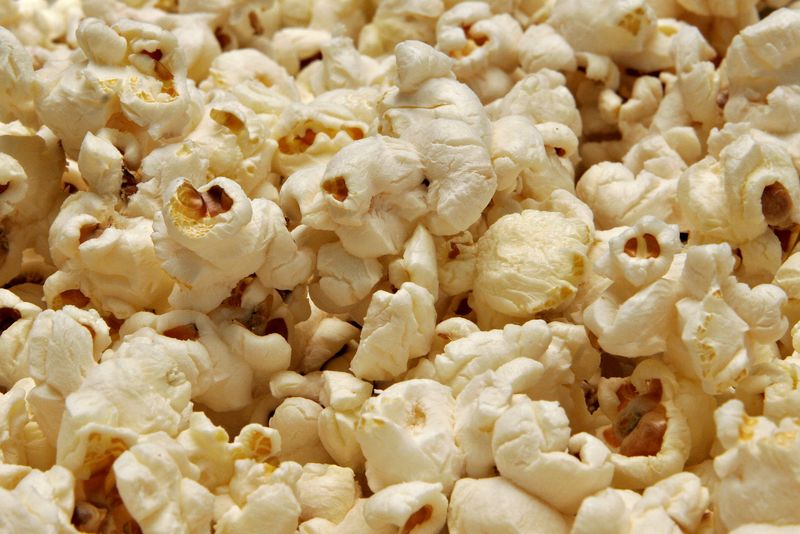
If the popcorn eaters has been 'asked' why they ate what thety ate, they would have said stuff like, "I know when I feel full". When of course, none of us really do (especially when the sensation of feeling full lags about 20 minutes behind actual consumptionm which is why slower eaters tend to be less obese than guzzlers).
So yes, good research doesn't hinder ideas that change the future, if done right, it unleashes them. By 'done right' I mean uncovering a situation you can change brilliantly. Not by listening to what people say they want, or what they claim they'll do, because the best ideas also show that none of us really know.


 NORTHERN PLANNER
Leave a reply to Tofan Witjaksono Cancel reply