-
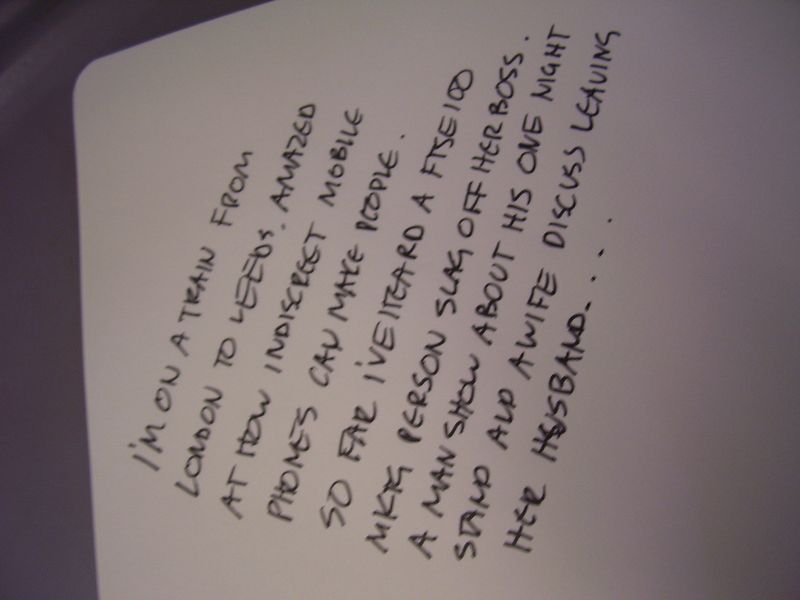
Good interview with Will Collins from Naked, pay special attention to the bit about Boots.
-
One of the difference between new work and old work is that I won't be lead agency planner all the time, which was mostly the case before. Sometimes I will, sometimes I'll be part of an inter agency team, doing mostly the digital bit.
That means two things, which, come to think of it, stand for planning full stop. It's rare that an agency and it's planners work in isolation these days – even if you're leading comms planning, you're going to have to be generous to other client agencies and work together.
That means you have to both think big and think small. Sometimes you're thinking about the whole brand and having big ideas to pull everything else along, while other times you're thinking about how to execute someone else's big idea, or co-creating it with other planners.
That means being flexible and it also means there is no such thing as totally Generalist OR Specialist. It doesn't matter what you do, you need a knowledge and appreciation of how everything works.
One of the accusations I'd level at most digital specialists is that they don't know enough about how brands work, what the brand their working on is about or what their audience is interested in, or does.
On the other hand, too many traditional, lead planners have great ideas for advertising, but fail to consider how it would work elsewhere.
How you go about all this depends on how you thinks brands work, and the brand you work on- build brands built from lots of little ideas that pull in a general direction, or you can search for the big idea. Either way, you need to be generous to others and appreciate what they do.
So, top skill for digital people, but planners in general is leave out the intellectual posturing, surrender a bit of control and just get on with working together. And that IS commercial – you may lose a little share of budget, or adapt your own work to fit the collective etc, but that's better than clients losing patience and either firing the ones who refuse to play ball, or consolidating everything to get things done quicker.
-
I'm not the only one whothinks agencies, and most specifically planners, need to engage with Behavioural Economics. Basing ideas on how people behave is supposed to be what we're good at. But…
..let's not fall into Emperor's New Clothes Syndrome. Most of it is really common sense. Like most credible stuff, it makes sense because we know it already, it just hasn't been codified. Take the concept of rewards to make people do stuff they don't want to…….
It also means proper research that looks at what people really do, going out and meeting them in their own environment, absorbing the culture. You won't get that in a focus group.
Speaking of groups, I was reading in this that groups are very bad at making decisions. They tend to polarise around very radical decisions, or very moderate ones, depending in the group dynamic. So you either go too far, or you get nowhere. Bad for focus groups and testing work, worse for workshops. Are brainstorms etc really useful for anything more than getting client buy in? Are the late nights getting stimulus ready better spent having a few people that work together well kicking some stuff around?
-
They've got scaffolding up.
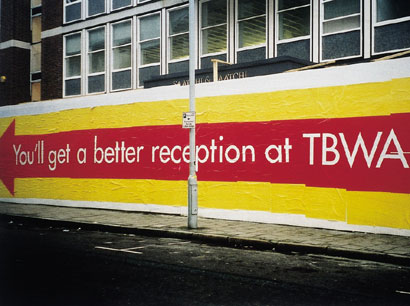
But better work?
-
Oke Doke, as promised it's time to finish communications planning. For previous posts, go here, here and then here.
When we left it, we were at the point when we'd worked out the task for communications – what actions do you want your audience to take – the thing communications can influence people to do to best contribute to the business goal.
Grow impulse purchases by getting top of mind with young buyers…
That's more than half the battle – really defining the task is the best thing you can do, in some agencies, planning stops there – you'll see the proposition as a task in many briefs, JWT focuses on what we want people to think and then opens up the process to everyone. I must admit, that's how I would prefer to work, but most agencies still have a wall between creative and planning and you can't shape the rest of the process as a team everywhere.
However and wherever you work, it's critical to make sure you don't stick to 'advertising's the answer, what's the question'. Knowing when and where to show up in your audiences lives is not only a must now the web enabled, marketing savvy consumer can filter ads out if they want to, it can actually form part of the actual idea.
So you need to answer the following question – when and where, and in what circumstance will our target be most receptive to our communications? You need to thinks about:
What media do they consume, why and how? What else do they interact with that isn't strictly 'media'?
What role does different possible connection points play in their lives? What do they pay attention to during the day? What are they doing at the time? Are they looking for entertainment? Information? Companionship?
How does the competition connect to the audience? Are their opportunities to find different connection points? Should we use the same but in a very different way?
Think again about what role the category plays in their real lives? When are they most in need of what they're offering? When could we make the most difference or be of the most use?
When and where does the brand vision and personality fit the most?
Think again about the purchase process – what does that tell you about when and where to show up?
Of course, TV is still a great medium, but you're deluded if you think all you have to do is put a logical ad up there and that's it. It's harder to stand out now, so relevance is critical, and you need to think of this as part of multiple touch points in story – in store, on-line, PR events and other media you want to invent.
Coming back to the Gorilla, they knew that the ad had to be something viral, that would get people talking and sharing on Youtube.
Axe in Japan (I think) needed to increase usage in the morning and discovered that males there use their phones as an alarm clock – so the moment became when they woke up..with sexy alarm calls from the girl of your choice.
Orange engaged with a younger audience through film – and picked a couple of moments. One was the actual film experience itself, this one was even more specific – engagement with Star Wars fans.
Another was a night of the week to share a film with a mate.
Sainsburys conceptually is about that rainy Tuesday night when you can't think of anything to cook – Try something new today.
Ghd focuses on the ritual of getting ready, and the hidden desires inside every woman.
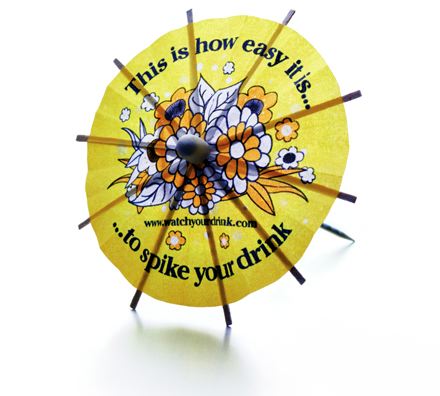
But then there's TBWA London's work to make young women aware of the dangers of having your drink spiked – by actually spiking their drink with a specially made cocktail umbrella.
A word of caution. Be sure what you're doing will the reach the number of people you need to. Stunts etc are waste of time if they reach 100 people when you need to generate trial with 10,000.
Then consider the experience you want people to have, maybe think of it as a reward. What you're going to say, do etc to make people end up acting as you want, this ends up as the proposition in the creative brief.
Consider functional – Ariel makes whites whiter. And don't be afraid of telling people about a unique product benefit if there is one.
This ad is just telling you that a Sony Bravia has better colour, the rest is how that is delivered.
Just bear in mind, it's how you deliver that message that counts and thought and input on that is needed – it usually and should come from the brand vision/tone etc, but we'll come to that.
It can also come from knowing what the experience is of th medium – only an idiot produces a cinema ad that doesn't entertain, but you can interact with a small crowd here too.
Purified so it tasted fresher
Sensory/emotional benefit….freedom, power, confidence.
Independence..
Belonging
Expressive – being to communicate to others that you are experienced..
Intelligent..
A great mother..
How do you choose the right focus? Think why the audience isn't doing what you want, find the blockage, judge your solution by how much it will overcome it.
You should think about support- give the reasons why the target should believe what you're saying. This should really be the actual stuff of the communication.
You can be literal – 9 out out of ten cats prefer Whiskas
British Airways brings more people together than anyone else..
Honda used their hatred of diesel engines to spur them to make one they could love.
Demonstration…
The Accord just works
..or dramatise it.
Women enjoy Yorkie's even thought they're masculine.
Check your logic – how does the action, the reward and the support fit together – a useful check is to complete the following sentence from the audience point of view:
"When I (intended action), I will (reward), because (support).
Now, traditionally tone of voice etc comes last – you would hope because this is already set and agreed, everyone is clear about the brand idea, the personality etc. Other people have talked betterthan I could about why this matters (and offer alternatives to this way of comms planning, but remember, these are the basics, know the rules, do them well before you break them).
Anyway, you must say, behave etc in a way that people will FEEL it. Just telling people will mean they won't listen. Nothing will happen.
Every piece of comms says something about the brand, like it or not. It needs to be appropriate for the brand and the audience. You need to be clear about this, and agree it with client especially creatives.
Too often, a creative is briefed really well, but tone is left out. Or even worse, it's not and they ignore it, because they believe it's up to them to decide how communication is delivered. It is up to a point. But it was Boddingtons – it MUST have been delivered creamily with a Mancunian twist.
If it's Apple, it must be simple and human.
You might want to be consistent with how you're perceived already, you might want to play up an element of what the brand's about, you might want to shift perceptions a little of what the brand's about.
In the end, it's got to be appropriate for the objective, brand and audience – but creatives don't own tone and manner and the sooner you talk about it and the more work is put into getting it right, the better.
I've only shown TV here because it's easy to get hold of Youtub video, more and more that will be less of what we do…but TV's real long term benefit is building up how people feel about the brand. You need to make sure they feel the right things.
And that, as they say, is that, hope it's useful.
-
-
After months and months languishing on Sky + I finally watced Marcel Theroux's 'In Search of Wabi Sabi'.
http://video.google.com/googleplayer.swf?docid=-6916115281561390843&hl=en&fs=true
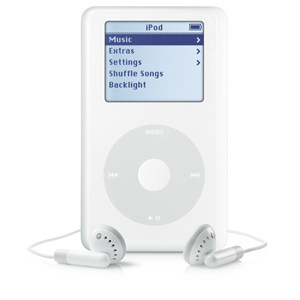
In case you can't be bothered to watch or follow the links, Wabi Sabi is a japanese theory to aesthetics and transience as the touchstone of beauty. Now I think the basics of that are worth whole series of posts, how flaws and wrongness are much more attractive than elaborate or even pristine, minimalist design. I personally dislike the design directions of Apple, I know it taps into human needs to simplicity etc, but to me it's too hard, too obviously 'designed' too hard.
Aaanywaaay….That's not really the point. Wabi Sabi is actually a much more complex ideas than that. Even though most of the people Theroux meets in Japan know what Wabi Sabi is, they find it difficult to describe. It has all sorts of roots and expressions. From the tea ceremony to Haiku. From Zen Buddhism to rugged potter – it's so rooted in culture, they're so used to it, you might as well ask what red looks like.
I think there's a number of themes in this:
Sometimes language simply isn't enough, you can only get to some sort of approximation to describe whole load of fuzzy associations, feelings and experiences – you need to find other ways to express it. That's the problem with brand onions etc, that can be the problem with single minded propositions for multi-touchpoint campaigns…and trying to describe why you love someone.
Rituals are terribly important in our lives, they civilise us, they help us get in touch with each other, with ourselves, and can be a constant in an ever transient world – we all need some ballast.
Perfection isn't necessary, and maybe shouldn't be sought after, but being a purist about things is no bad thing in a world (our industry in particular) chase other's approval and fall for fads all the time.
There's a world of difference between admiring something and feeling genuine affection for it. I really admire some films, like Zodiac, but didn't really enjoy it. The same can be said for lots of clever advertising that's very impressive, but doesn't make you FEEL. Baking in warmth and depth to all sorts of stuff is really important.
Complexity is important, but I like the idea of stripping out what isn't necessary. There are about 20 buttons on my DVD remote I never use for example. So many presentations are really boring because some git wants to show off rather than tell me something interesting. And so many pieces of design, music or film just look like they're trying too hard – sometimes trying to be simple.
The japanese are more like the English than I thought -we both have a deep love for tea and gardening.
-
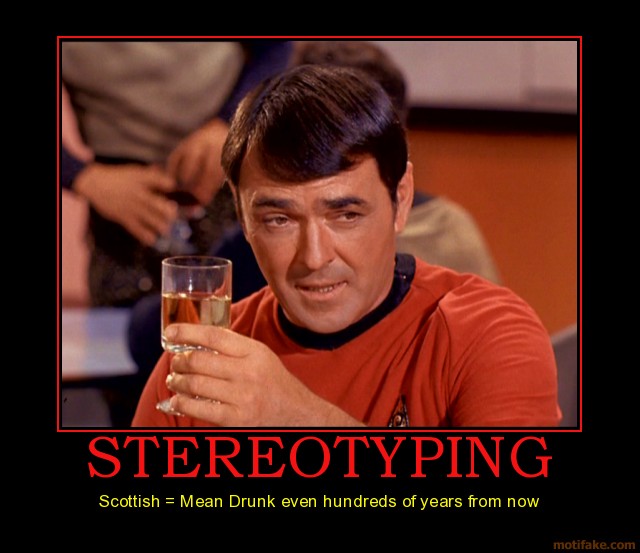
Scottish parliament becomes concerned about people drinking too much and so a law is passed to force pubs to close at 9pm. The year? 1436

 NORTHERN PLANNER